
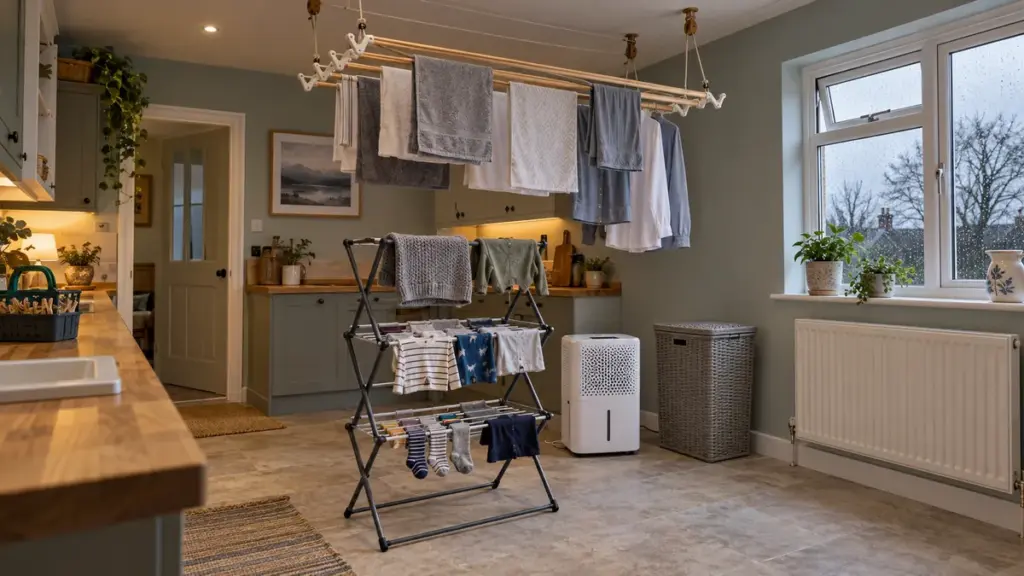
How to Dry Clothes Indoors in Winter Without Causing Damp
From October to March, getting a wash dry is a daily puzzle in most Scottish homes. The line is out of the question, the tumble dryer costs money every time you switch it on, and clothes draped over every radiator leave the windows streaming by morning.
The good news is that you can dry clothes indoors without damp, mould or musty towels. It comes down to three things: getting as much water out in the machine as you can, choosing the right spot and the right airer, and dealing with the moisture the washing gives off. This guide covers all three, with the kit that makes it easier. Everything we mention is in stock online, and you can order it for Click & Collect from your local Home Hardware store.
Quick Answer: The Best Way to Dry Clothes Indoors
- Spin on the highest setting the fabric can take.
- Dry in one room with the door shut, not all over the house.
- Use a proper airer with space between items, not the radiators.
- Let the moisture out or catch it: open a window a crack, run an extractor fan, or use a dehumidifier.
- Keep air moving and keep the airer away from cold outside walls.
Why Drying Clothes Indoors Causes Damp
All the water in your wet washing has to go somewhere. A single wash load can release around two litres of water into the air as it dries. That moisture rises, spreads through the house and then settles on the coldest surfaces it can find: windows, outside walls, the backs of wardrobes and the corners of ceilings.
That’s why the problem gets worse in winter. Homes are closed up, the air can’t carry the moisture away, and the walls and glass are cold. Over weeks, you get condensation, black mould around windows and that musty smell in cupboards. Damp and mould can also aggravate breathing problems like asthma, so it’s worth getting right.
For the bigger picture on condensation and damp, see our damp and moisture control checklist.
Step 1: Get More Water Out Before You Hang It Up
This is the cheapest win of all. The drier the washing is when it comes out of the machine, the less water ends up in your air.
- Use the fastest spin the care label allows. Towels, jeans and bedding can take a high spin. Delicates can’t.
- Add an extra spin cycle for heavy items like towels and jeans if they come out dripping.
- Don’t overload the machine. An overfull drum doesn’t spin water out properly.
- Shake each item out before you hang it. It shortens drying time and means less ironing.
Step 2: Choose the Right Room
Don’t spread the washing around the whole house. Pick one room, close the door, and deal with the moisture in that room.
- Bathroom or utility room: the best choice if it has an extractor fan or a window you can open. An over the bath airer uses space you’d never use otherwise.
- Kitchen: warm, usually has an extractor, and is where the classic Scottish pulley airer has always lived.
- Spare room: fine with a dehumidifier running in it.
- Avoid bedrooms, especially ones you’re sleeping in. You’ll be breathing the damp all night, and bedrooms are often the coldest rooms with the worst condensation.
Keep the airer away from cold outside walls and out of corners. Air needs to circulate round the clothes to carry the moisture off.
Step 3: Choose the Right Clothes Airer
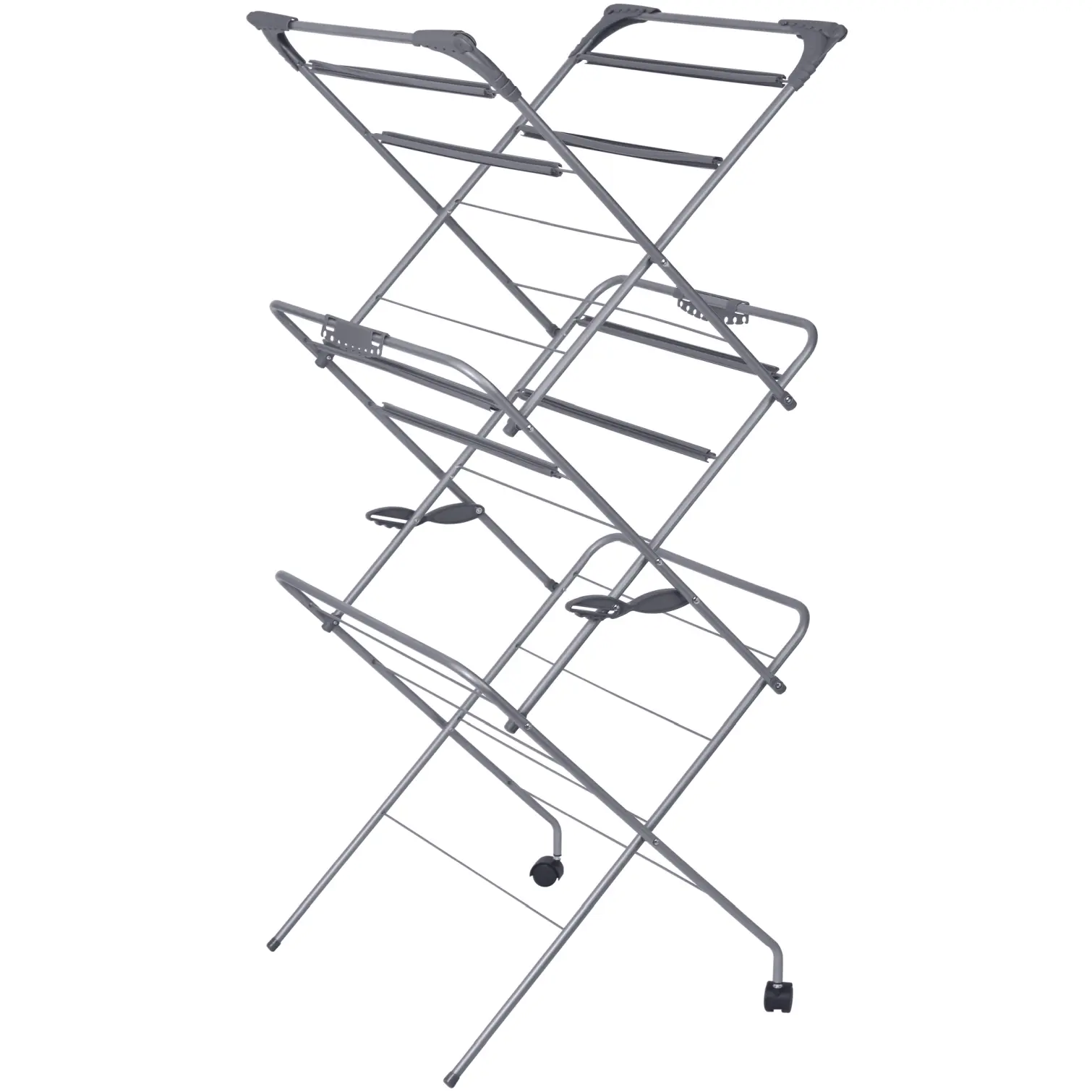
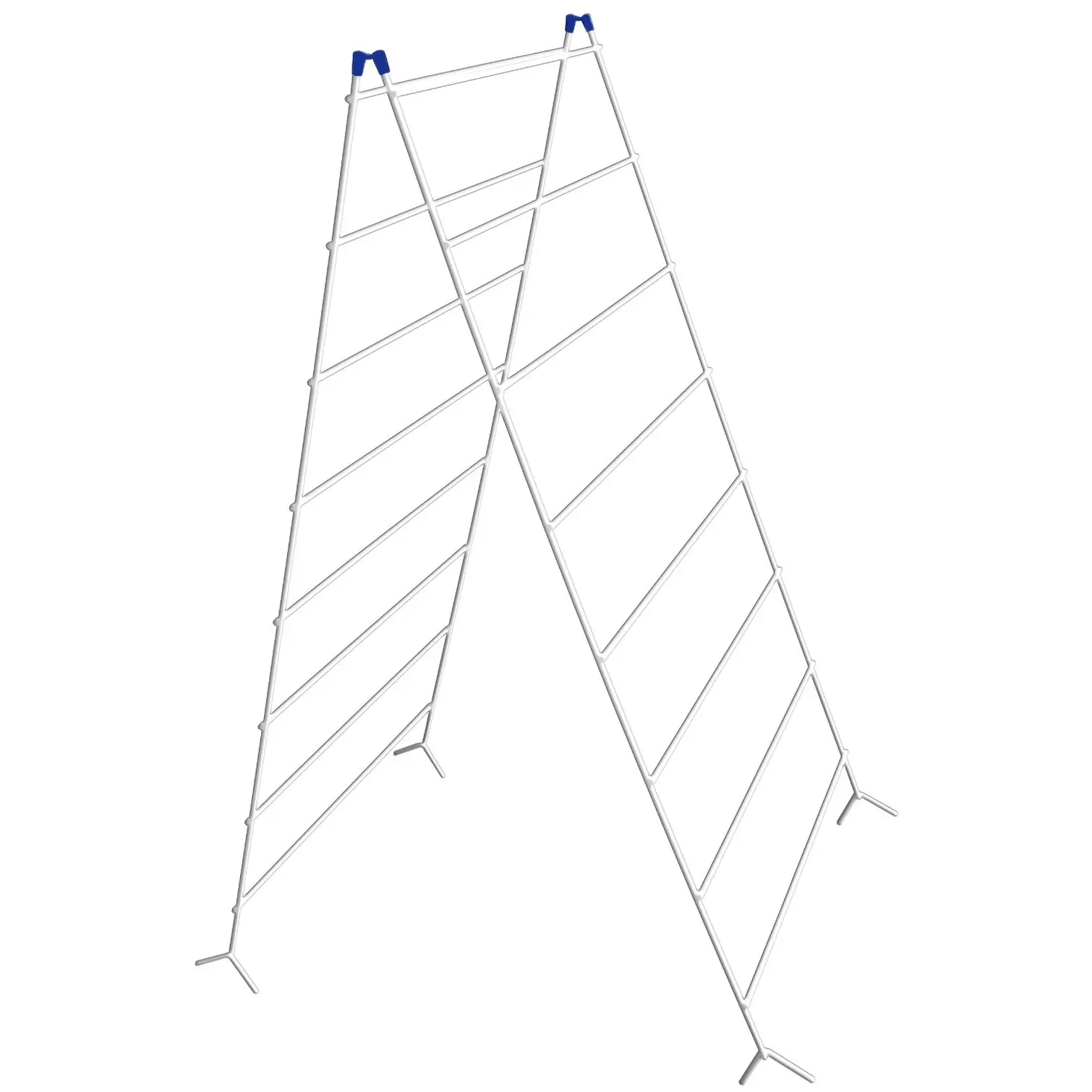
A good airer is the single best investment for winter laundry. Clothes spaced out on an airer dry faster and more evenly than clothes bunched on a radiator. Here’s how the airers in our indoor airers range compare.
| Airer | Type | Drying space (from the listing) | Best for |
|---|---|---|---|
| Minky Premium 3 Tier Airer 21m Capacity | 3 tier tower | 21m | Big family loads in a small footprint |
| EaziDry Deluxe 3 Tier Airer | 3 tier tower, folds flat | 15m | A full wash load, with extra features |
| EaziDry 3 Tier Indoor Airer | 3 tier tower, folds flat | 15m | Flats and smaller rooms |
| Kingfisher Folding Clothes Airer | Folding wing airer | Up to 18m | Indoors or out on dry days |
| The Original Sheila Maid Wooden Airer | Ceiling pulley airer | 4.5m | Kitchens and utility rooms, off the floor |
| Over the Bath 15 Rail Laundry Airer | Over the bath | 7.5m | Drying where the extractor fan is |
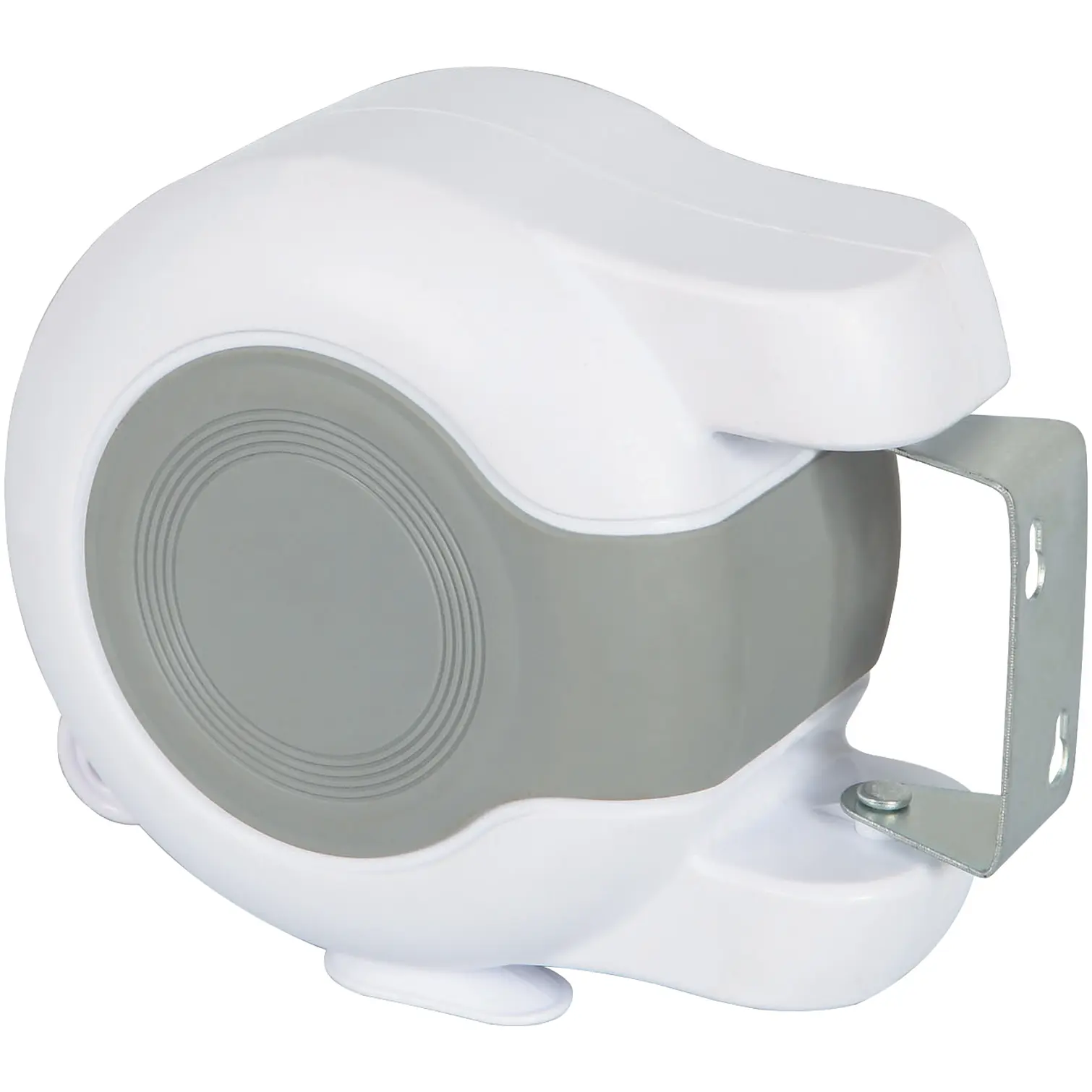
| EAZIDRY Retractable Dual Clothes Line 30m | Retractable wall line | 30m of line | Utility rooms, porches and garages |
| Over the Radiator 4 Rail Airer | Over the radiator | 4 rails | Small items only (see below) |
Best Airer for Small Spaces: a 3 Tier Tower
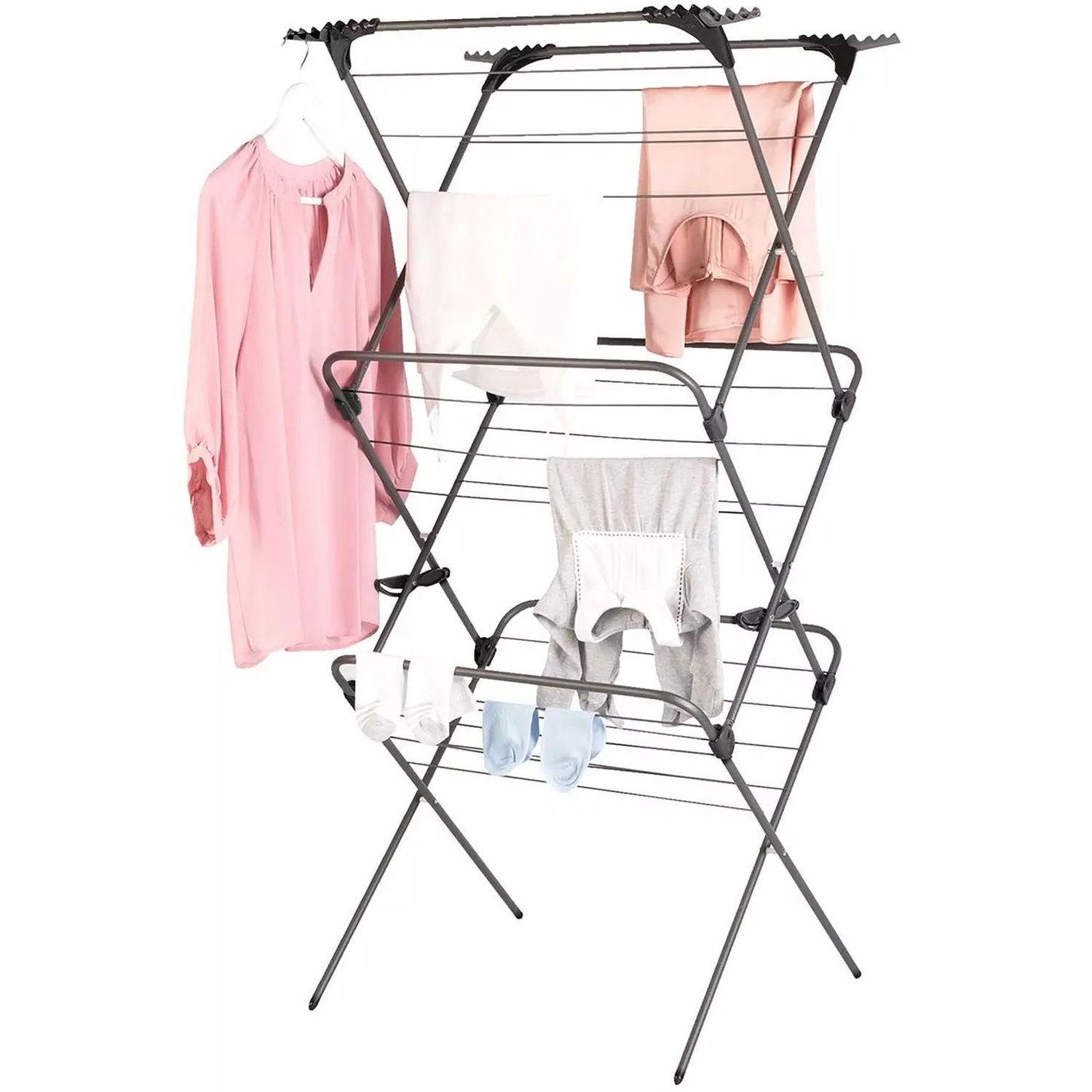
Tower airers go up rather than out, so you get a full load’s worth of drying space in the floor area of a chair. The Minky Premium 3 tier airer gives 21m of drying space, and the EaziDry Deluxe gives 15m, enough for a regular wash load, and folds flat to store behind a door.
The Sheila Maid: Why Pulley Airers Work So Well
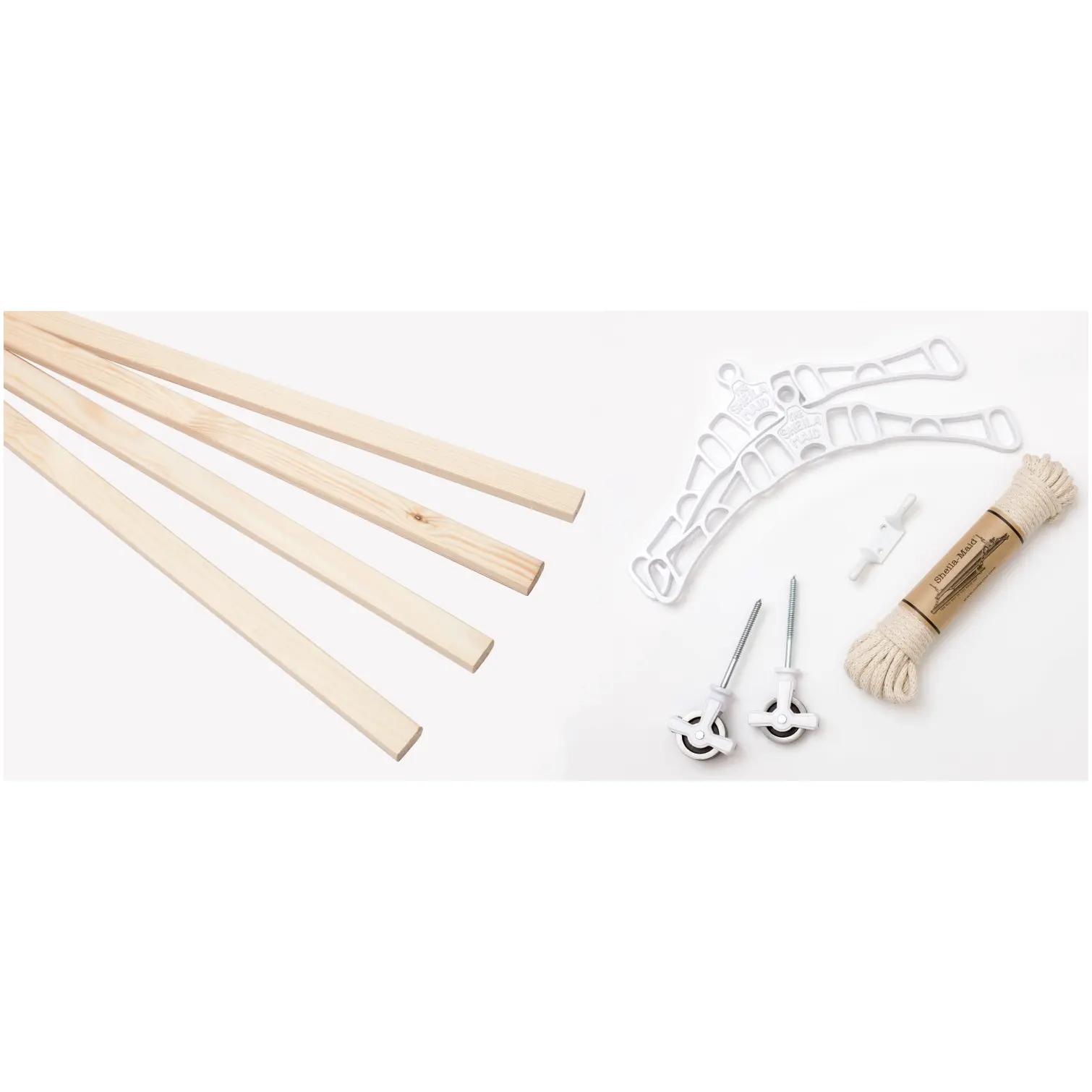
Warm air rises, so the warmest, driest air in any room is up near the ceiling. That’s exactly where a pulley airer hangs your washing, out of the way and off the floor. The Original Sheila Maid Wooden Airer has been in British kitchens for over 100 years, with cast iron ends and wooden rails, and it comes with everything you need to fit it: the pulleys, a cleat hook and 10m of rope. The rails can be cut shorter to fit a smaller room. Replacement pulley line is available too.
Over-the-Bath and Wall-Mounted Lines
If floor space is tight, use the bath. The over the bath 15 rail airer fits across most baths and gives 7.5m of drying space right where the extractor fan is. A retractable dual clothes line mounts on a wall and pulls out to 30m, which is ideal for a utility room, porch or garage, then disappears when you’re done.
Should You Dry Clothes on the Radiator?
Try not to. Clothes laid directly on a radiator block the heat from getting into the room, which makes your heating work harder, and they push a lot of moisture into the air very quickly. An over the radiator airer is fine for a few small things like socks and tea towels, but for a full load, an airer near (not on) a radiator, with air moving around it, works better.
Step 4: Deal With the Moisture
This is the step most people miss. The water from your washing has to leave the room, or be caught, or it ends up on your walls.
Ventilate
Open the window a crack in the room where the washing is, and keep that room’s door shut so the damp air doesn’t drift through the house. If the room has an extractor fan, run it. Make sure trickle vents on your windows are open. It feels wrong to open a window in winter, but a small gap for a few hours does far less harm than a week of condensation.
Use a Dehumidifier
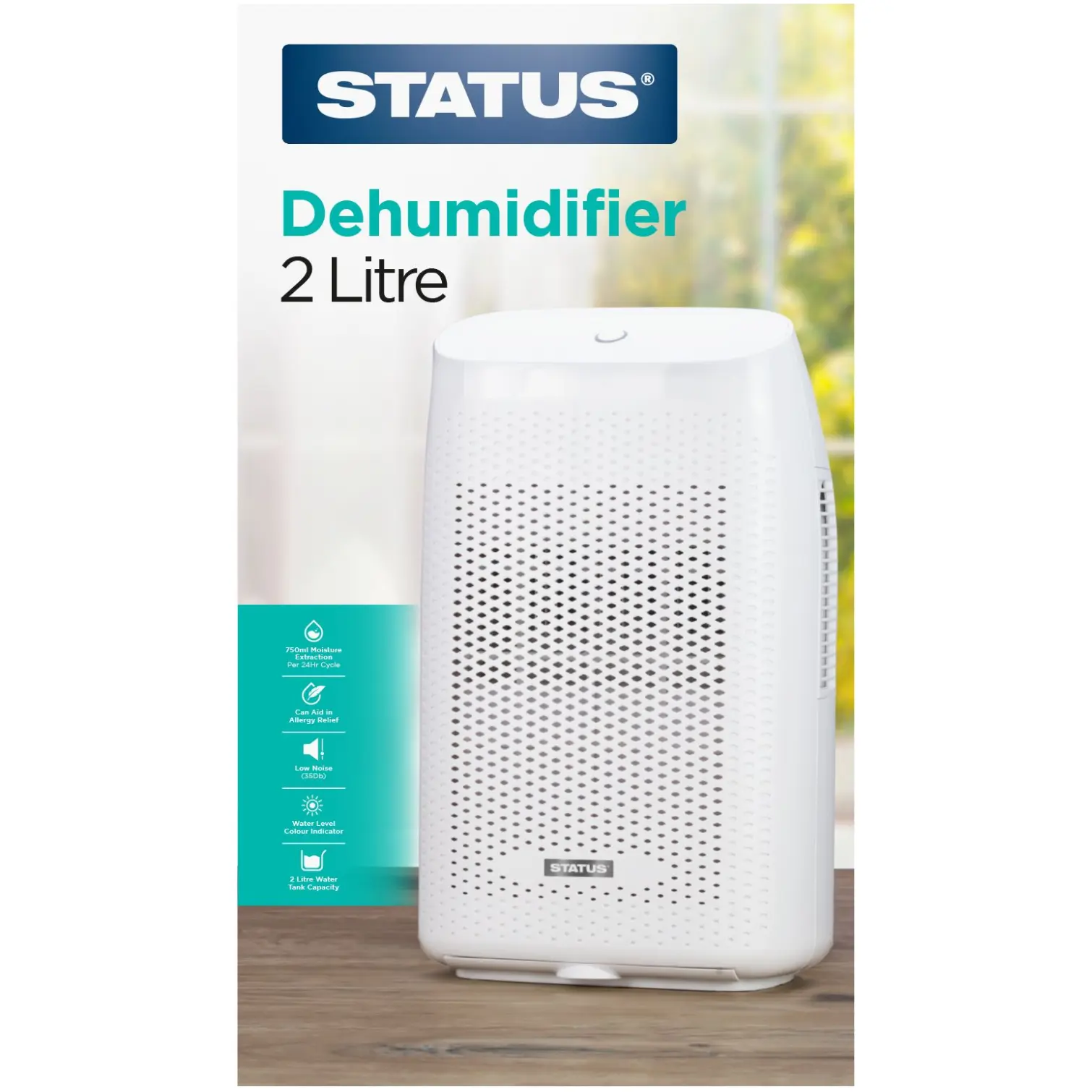
A dehumidifier is the most effective way to dry clothes indoors without damp. It pulls moisture out of the air and into a tank you empty, so the room stays drier and your washing dries faster. Put it in the same room as the airer, close the door, and let it run.
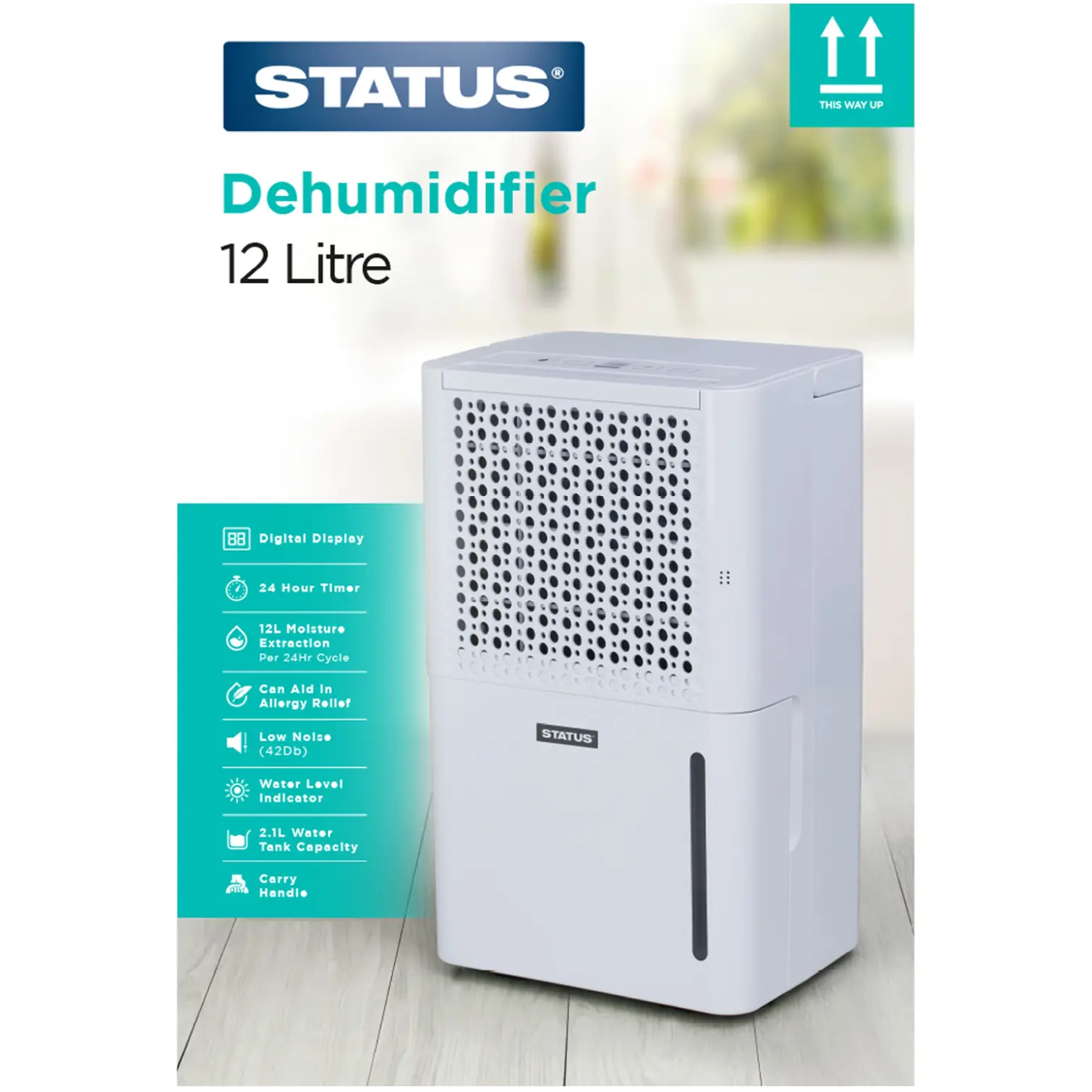
- For a whole room of washing: the Status 12L dehumidifier extracts up to 12 litres of moisture a day.
- For smaller rooms: the Status 2L dehumidifier or the Black+Decker compact dehumidifier.
Moisture Traps for Cupboards and Wardrobes
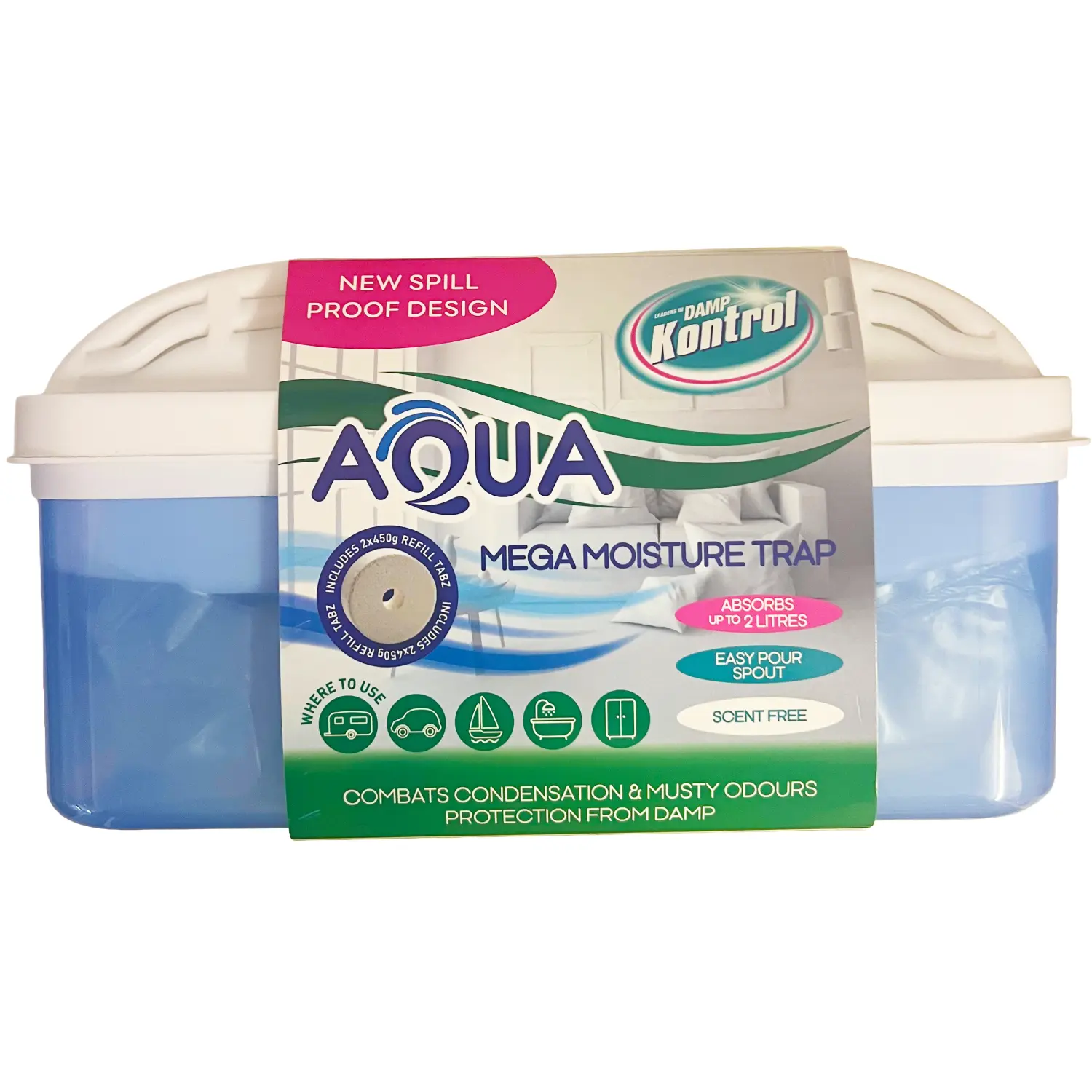
Moisture traps don’t use electricity. They absorb damp from the air into a container, and they’re ideal for the places damp collects later: wardrobes, airing cupboards and under-stairs cupboards. Try the Kontrol Mega moisture trap for bigger spaces, or the Unibond Aero 360. They won’t dry a room full of washing on their own, but they stop the musty smell spreading into your stored clothes.
Step 5: Hang It Properly
- Leave gaps between items. Clothes touching each other stay damp where they meet.
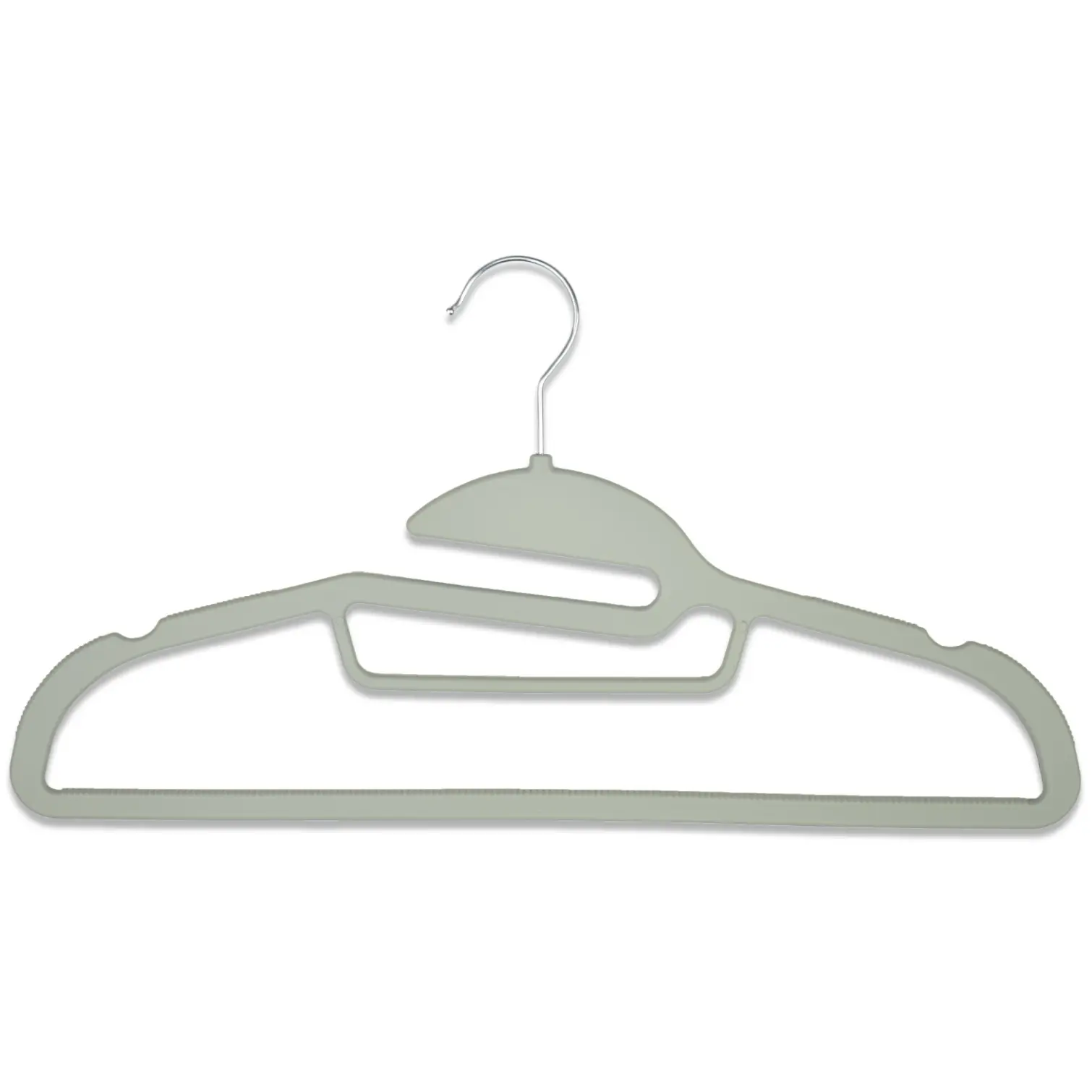
- Hang shirts and tops on hangers. They dry faster, with fewer creases, and go straight in the wardrobe. Non-slip rubber hangers stop them sliding off.
- Turn heavy items like jeans and hoodies inside out partway through.
- Fold towels over a rail rather than bunching them, and turn them once.
- Dry on a dry day outside when you can. Even in winter, a breezy dry morning on a rotary airer takes most of the water out before you finish indoors.
How Long Does It Take to Dry Clothes Indoors?
It depends on the fabric, the room temperature and how much moisture is already in the air. Thin cotton tops can be dry overnight, while towels, jeans and thick jumpers can take a day or more. A dehumidifier in a closed room shortens this noticeably. If washing still smells musty when it’s dry, it took too long to dry. Space it out more, add airflow, and don’t leave a wet load sitting in the machine.
Common Mistakes When Drying Clothes Indoors
- Drying in the bedroom you sleep in.
- Covering every radiator. It blocks the heat and floods the room with moisture.
- Keeping every window shut with no dehumidifier running.
- Cramming the airer. Overlapping clothes dry slowly and can smell musty.
- Leaving washing in the machine for hours before hanging it.
- Ignoring the first signs of mould on window frames. Treat it early. Our damp checklist explains how.
Our Recommendation
- Best all-round airer: Minky Premium 3 Tier Airer 21m Capacity.
- Best for a traditional kitchen: The Original Sheila Maid Wooden Airer.
- Small flat or bathroom: Over the Bath 15 Rail Laundry Airer.
- The one thing that stops the damp: a dehumidifier like the Status 12L, in the same room, with the door shut.
- For wardrobes and cupboards: Kontrol Mega Moisture Trap.
Frequently Asked Questions
How can I dry clothes indoors without getting damp?
Spin clothes on the highest setting the fabric allows, dry them in one room with the door closed, use an airer rather than radiators, and remove the moisture with an open window, an extractor fan or a dehumidifier running in the same room.
Is it bad to dry clothes on radiators?
It’s best avoided for full loads. Clothes on radiators block heat from reaching the room, making your heating work harder, and release a lot of moisture quickly, which leads to condensation. Small items on an over-radiator airer are fine.
Does a dehumidifier help dry clothes indoors?
Yes. A dehumidifier pulls moisture out of the air, so washing dries faster and the moisture doesn’t settle on your walls and windows. Use it in the same room as the airer with the door closed.
Which room is best for drying clothes indoors?
A bathroom or utility room with an extractor fan or opening window is best, followed by the kitchen. Avoid drying washing in the bedroom you sleep in.
How long does washing take to dry indoors in winter?
Thin items can dry overnight, while towels, jeans and thick jumpers can take a day or more. Spacing items out, keeping air moving and running a dehumidifier all speed it up.
Why do my clothes smell musty after drying indoors?
Usually because they took too long to dry. Space items out on the airer, improve airflow, use a dehumidifier, and hang the washing as soon as the machine finishes.
Related Reading
Shop Indoor Drying Essentials
Browse more: Indoor Airers, Outdoor Airers, Washing Lines, Moisture Control & Dehumidifiers, Pegs & Peg Bags and Hangers. Order online for home delivery or Click & Collect from your nearest Home Hardware store.