
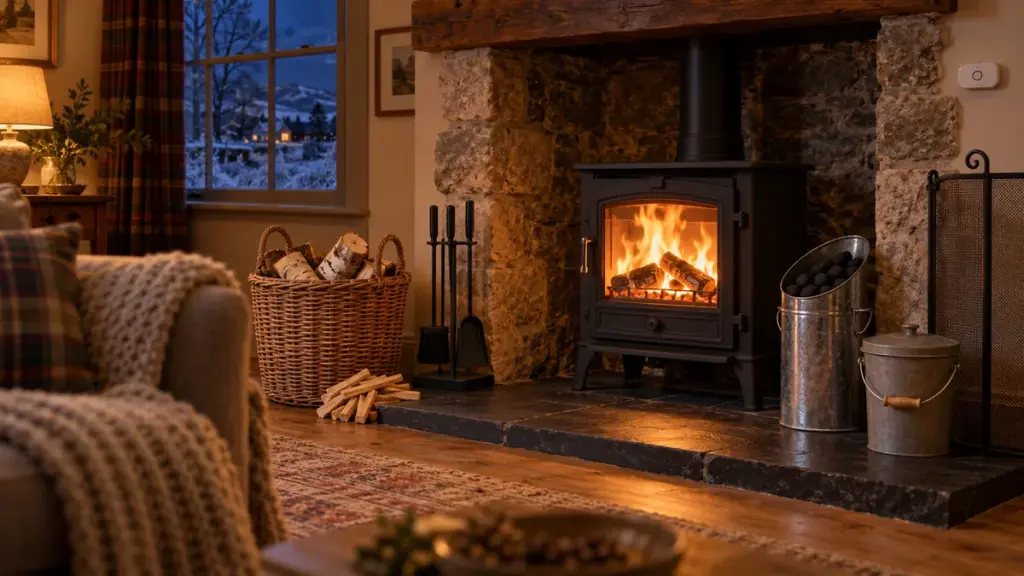
How to Get Your Open Fire or Stove Ready for Winter
There’s nothing like a real fire on a cold Scottish evening. But an open fire or stove that’s sat unused all summer needs a bit of attention before you light it. The chimney may need sweeping, the grate may be worn out, and the fuel shed is probably empty.
This guide covers everything you need to get your fire ready for winter safely: getting the chimney swept, checking the grate and stove, choosing the right fuel, lighting a fire that actually draws, and the safety kit every home with a real fire needs. Everything we mention is in stock online, and you can order it for Click & Collect from your local Home Hardware store.
Your Winter Fire Checklist
- Book a chimney sweep before the first fire of the season.
- Check the grate, ash pan and fire bricks for cracks and wear.
- Check your stove’s door seal and glass.
- Stock up on the right fuel for your fire and your area.
- Get lighting supplies in: kindling, firelighters and long matches.
- Test your carbon monoxide alarm, or fit one if you don’t have one.
- Put a fire guard in place, especially if you have children or pets.
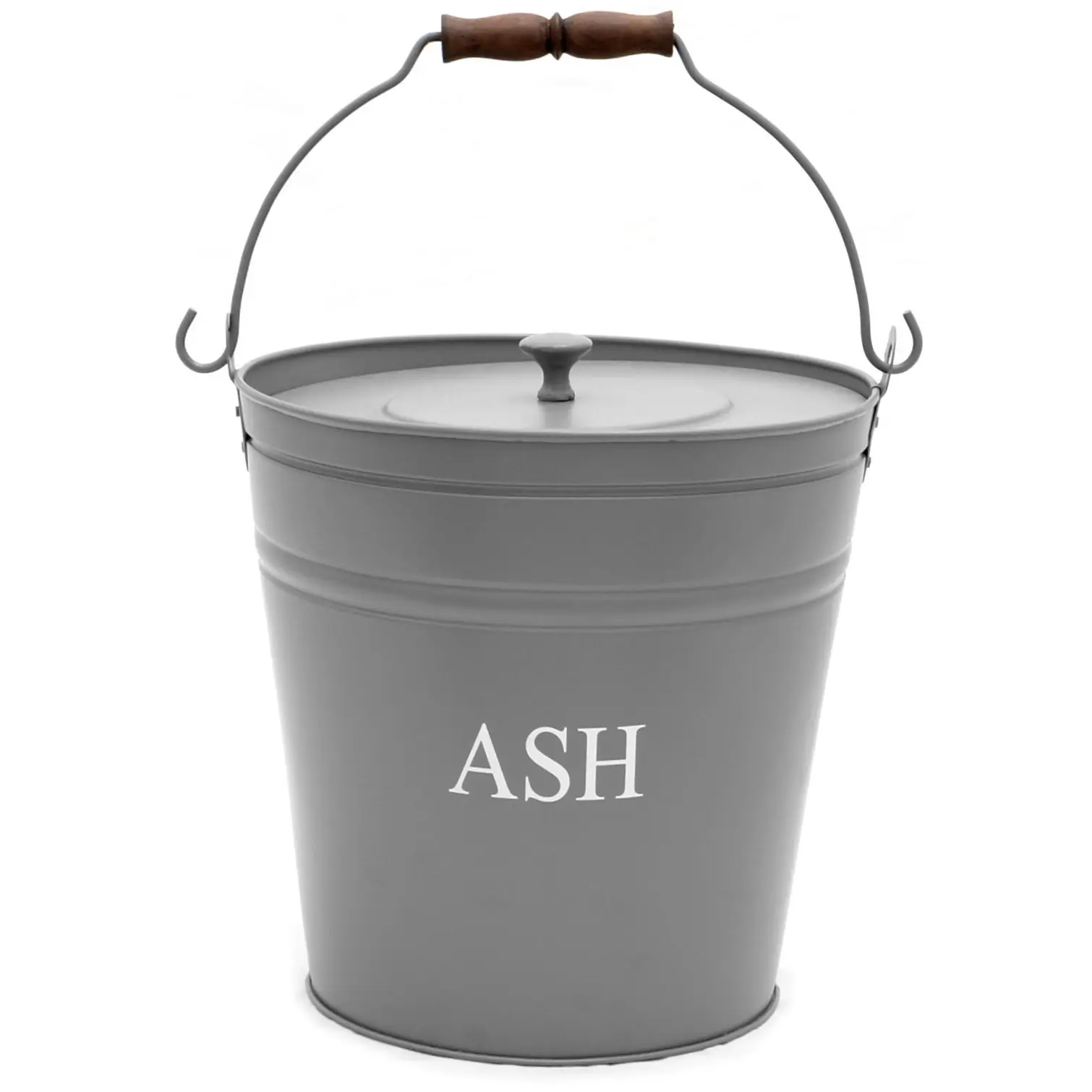
- Have a metal ash bucket with a lid ready for hot ashes.
Step 1: Get Your Chimney Swept
Soot and tar build up inside the chimney every time you burn. Too much of it narrows the flue, stops the fire drawing properly, and can catch fire. Birds’ nests from the summer can block it completely, which stops smoke and carbon monoxide escaping.
Have your chimney swept by a professional at least once a year, ideally before you start using it in autumn. If you burn wood or house coal regularly, it may need doing more often. Your sweep will tell you how often based on what they find. Sweeps get booked up quickly once the weather turns, so ring now.
Between sweeps, products like Zip Soot Reducer 10x5gr sachets help reduce soot build-up when added to a hot fire, and the Hotspot chimney cleaner helps remove tar and creosote. They’re useful for keeping things cleaner during the season, but they don’t replace a proper sweep.
Step 2: Check the Grate, Ash Pan and Fire Bricks
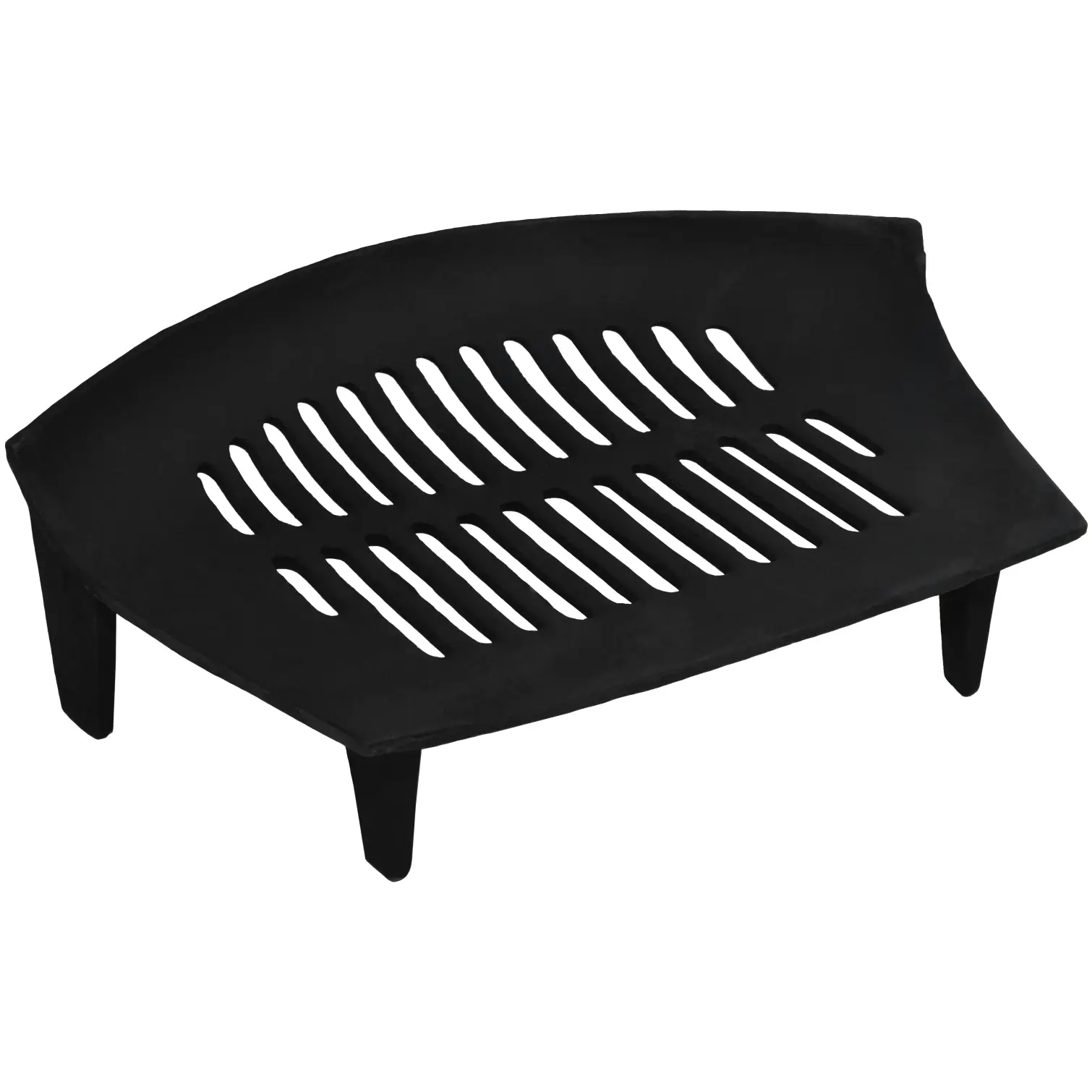
Grates warp and burn through over years of use, and a broken grate lets fuel fall through and stops air getting under the fire. Give everything a clean and a proper look.
- Grate: look for cracked or burnt-through bars. Replacement grates come in standard sizes. Measure the width of your fire opening and the size of your existing grate before you buy. We stock grates like the Fireside Range 450mm bowed grate and the Baxi 18 inch Burnall grate.
- Ash pan: make sure it slides in and out easily and isn’t rusted through. Replacements include the Baxi 16 inch ash pan.
- Fire bricks: the clay bricks at the back and sides of the fire protect the fireplace. Cracked ones can be replaced with a 10 inch clay back brick or universal side brick.
Step 3: Check Your Wood Burner or Multi-Fuel Stove
Stoves are more efficient than open fires, but only when they’re sealed properly.
Test the Door Seal
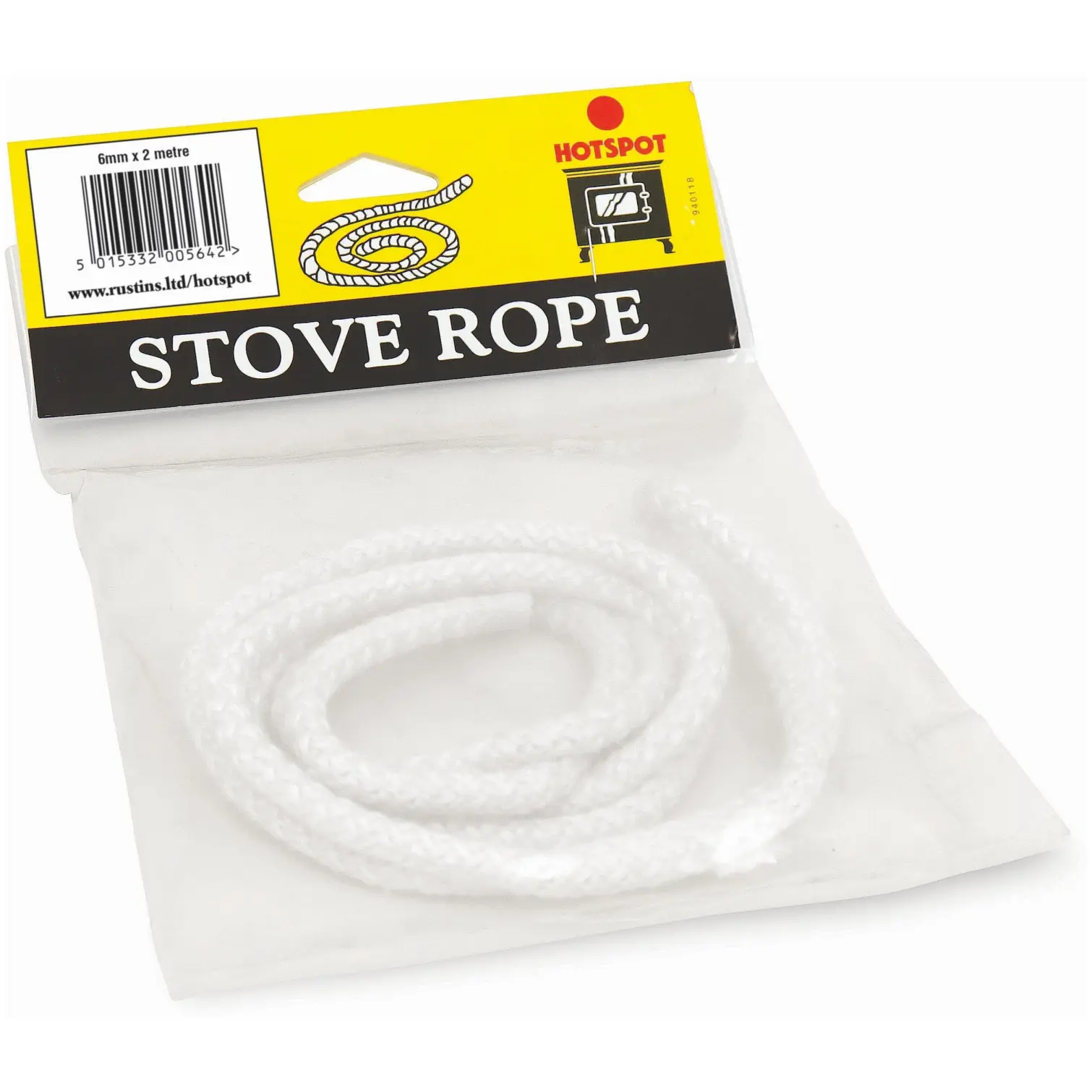
Close the stove door on a strip of paper. If you can pull it out easily, the rope seal has worn and the stove is pulling in air it shouldn’t, which makes it burn too fast and harder to control. Replacing it is a straightforward job: pull out the old rope, clean the channel, and fit new Hot Spot stove rope with Hot Spot Heatbond. Measure the old rope’s thickness first, as stoves use different sizes.
Clean the Glass
Blackened glass usually means the stove is burning too cool or the fuel is too wet. Clean it when the stove is completely cold with a dedicated stove glass cleaner, which removes soot, log sap and stains.
Refresh the Finish
A tired stove can look new again with a coat of Hotspot stove paint once it’s cold and clean. A stove fan sitting on top helps push warm air out into the room rather than letting it rise straight to the ceiling.
Step 4: Choose the Right Fuel
The right fuel depends on your appliance and where you live. Burning the wrong fuel can damage your stove, coat your chimney in tar and, in some areas, break the law.
Do You Live in a Smoke Control Area?
Many towns and cities in Scotland have smoke control areas. Inside one, you can only burn authorised smokeless fuels, unless your stove is an approved exempt appliance. Your council can tell you whether you’re in one. If you are, house coal and logs on an open fire are not allowed.
Fuel Comparison
| Fuel | Best for | Smoke control areas? | What to know |
|---|---|---|---|
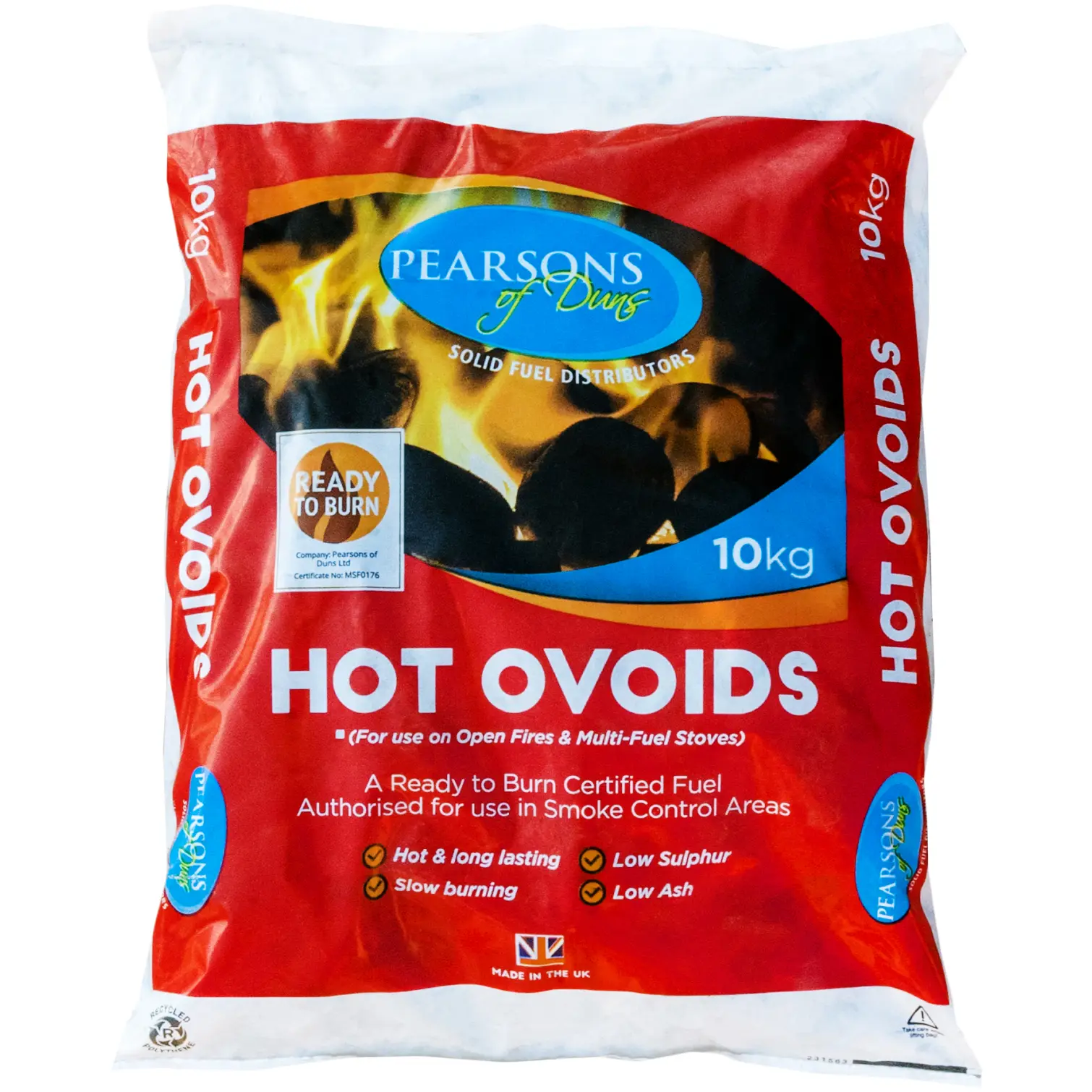
| Pearsons Of Duns Hot Ovoids Smokeless Fuel 10kg | Open fires, multi-fuel stoves, room heaters | Yes, according to the listing | Long, steady heat with little smoke or ash. Also in a 20kg bag |
| Pearsons Of Dunns House Coal Doubles 10kg | Open fires and coal-burning appliances | No | A lively flame and strong heat, but not for smoke control areas or wood-only stoves |
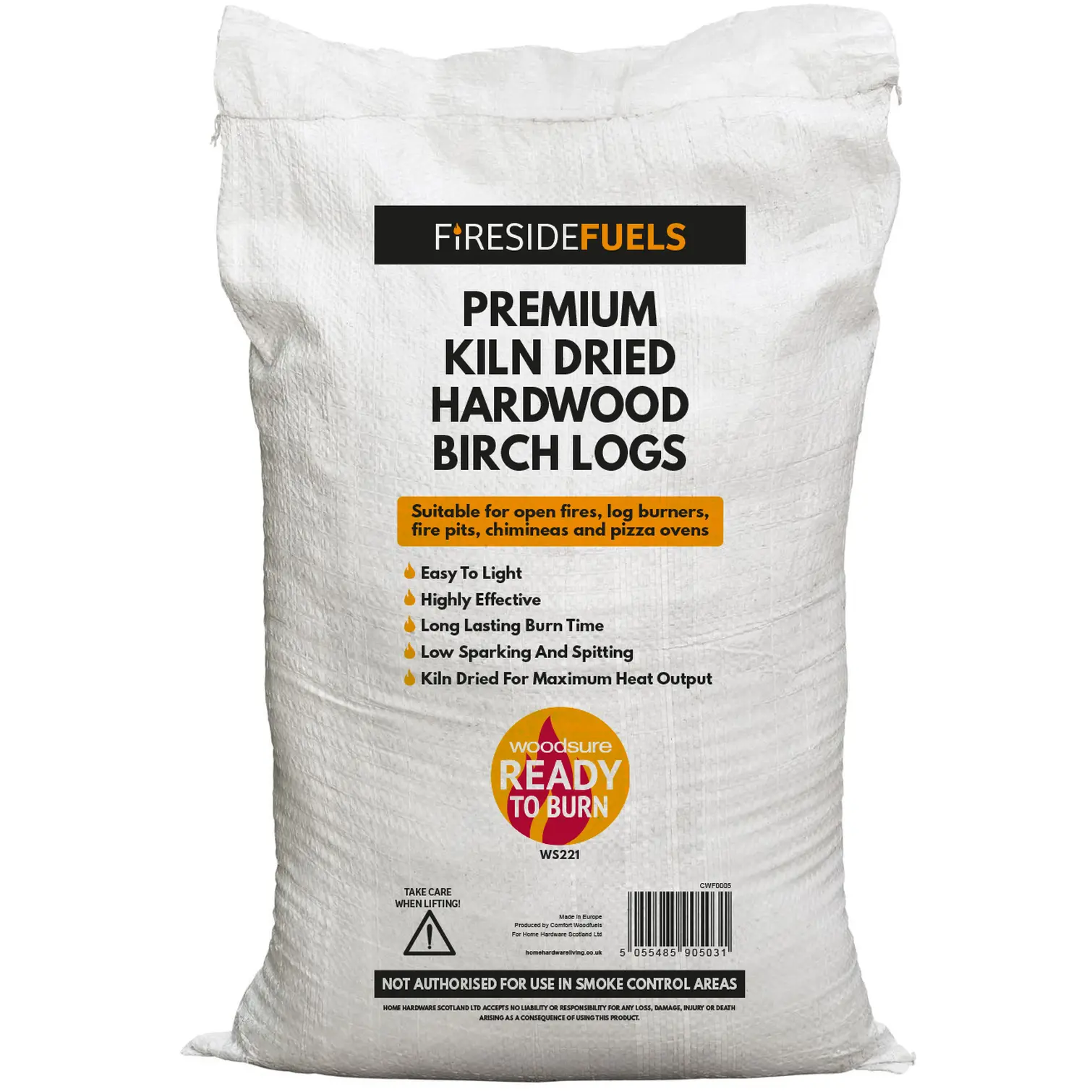
| Fireside Fuels Premium Kiln Dried Birch Hardwood Logs Large Bag | Wood-burning stoves, open fires | Only on an exempt appliance | Kiln dried to below 20% moisture, ready to burn |
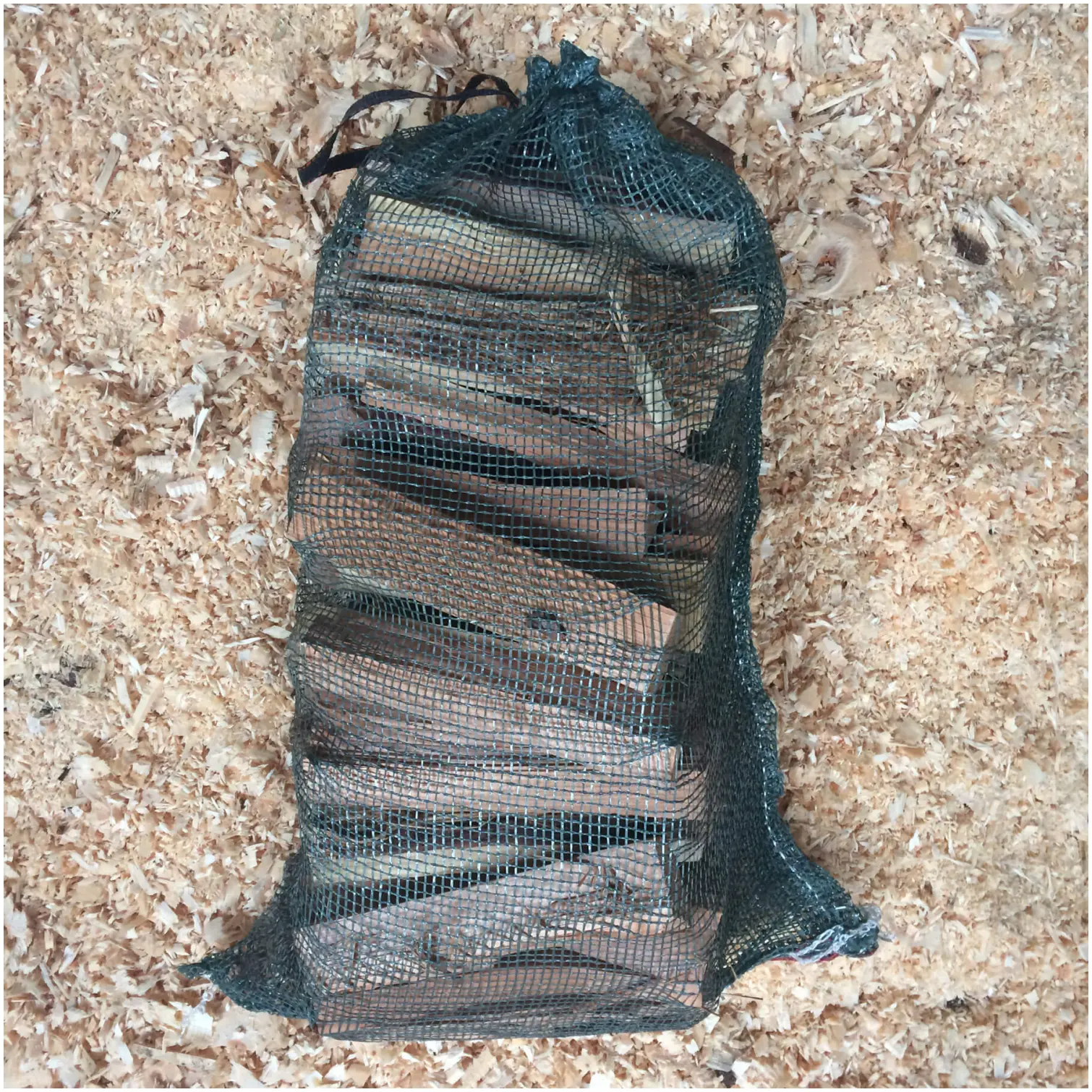
| Kiln Dried Birch Logs 20 Litre Bag | Topping up a stove or open fire | Only on an exempt appliance | Birch burns with a bright, steady flame |
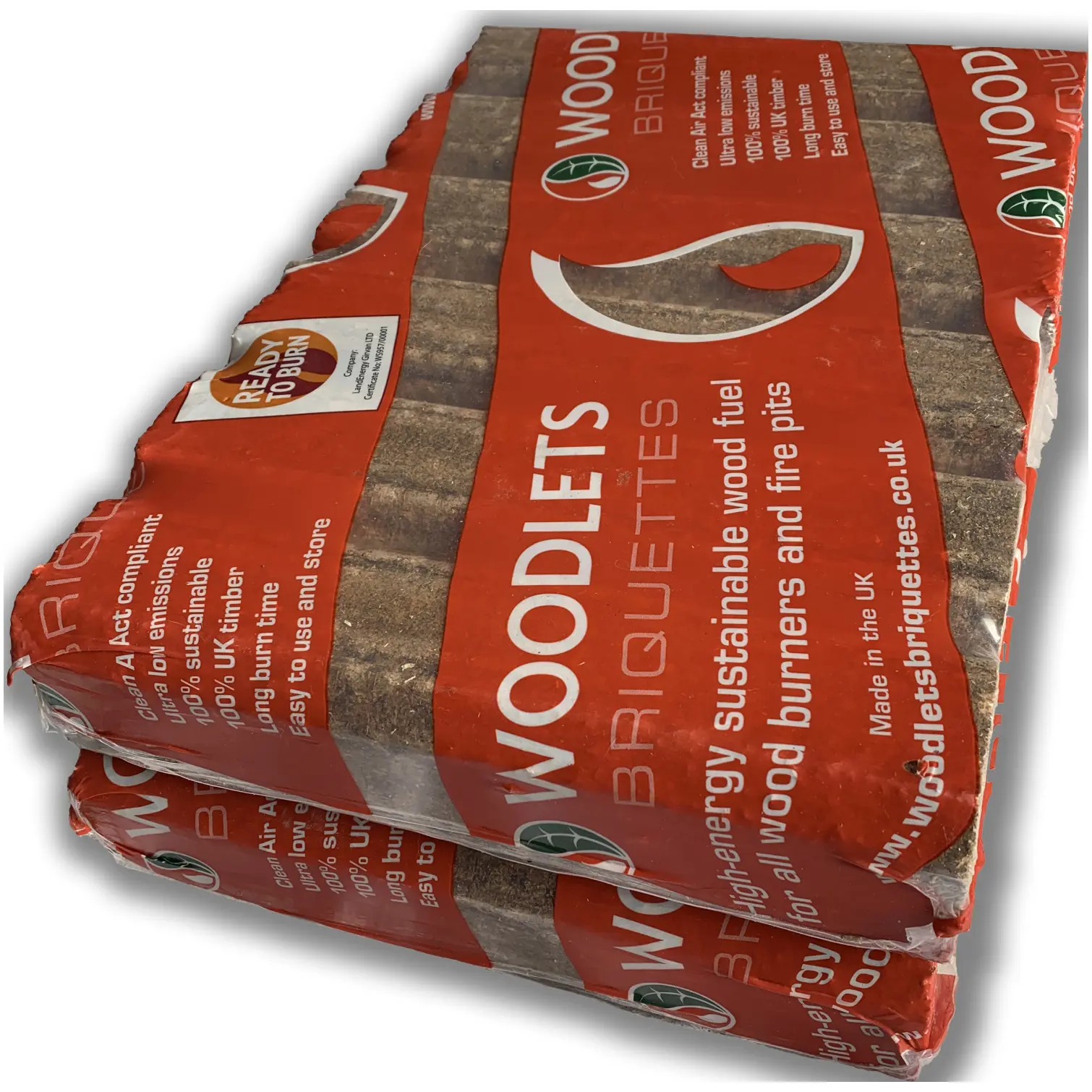
| Woodlets Briquettes | Stoves and open fires | Only on an exempt appliance | Compressed wood, low moisture, high heat, low ash |
| Burning Peat Large | Open fires and stoves | Check with your council | Slow, steady burn and a traditional peat aroma |
Smokeless Fuel
Pearsons Of Duns Hot Ovoids Smokeless Fuel 10kg are made for open fires, multi-fuel stoves and room heaters, and give long-lasting, even heat with minimal smoke and ash. Their listing says they’re approved for use in smoke control areas. They’re the safe choice if you’re not sure. Never burn smokeless fuel in a wood-only stove: check your stove’s manual for the fuels it’s designed for.
Logs: Why Dry Wood Matters
Wet or unseasoned wood is the biggest cause of a smoky, sooty stove. Much of its energy goes into boiling off the water, so it burns cool, blackens the glass and coats the chimney with tar. Buy wood that’s already dry. Fireside Fuels Premium Kiln Dried Birch Hardwood Logs Large Bag are kiln dried to below 20% moisture, so they’re ready to burn straight away. Store logs somewhere dry and airy, and keep a few days’ worth indoors in a log basket so they’re warm and dry when they go on.
Briquettes and Peat
Woodlets Briquettes are made from compressed sawdust and wood residue, with low moisture, high heat output and very little ash. Their uniform shape also makes them easy to stack and store. For a traditional Scottish fire, Burning Peat Large gives a slow, steady burn and that unmistakable peat aroma.
Step 5: How to Light an Open Fire or Stove
A fire that smokes back into the room or dies after ten minutes is almost always a lighting problem. Here’s a method that works.
- Open the air vents fully on a stove, or make sure the ash pan is in place and clear on an open fire.
- Clear excess ash. Coal and smokeless fuel need air flowing up through the grate, so empty the ash pan. Wood burns well on a thin bed of ash.
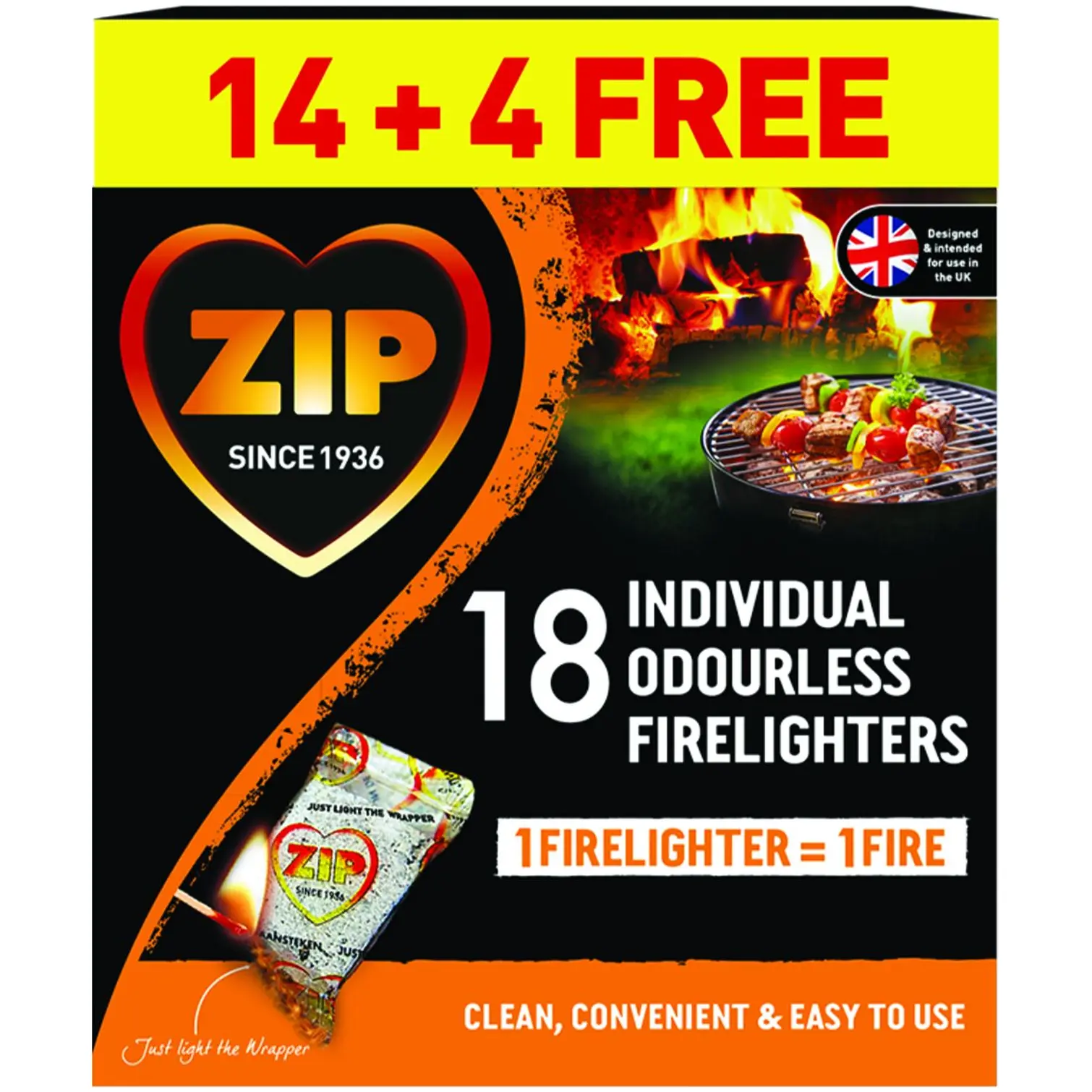
- Start small. Put two or three Zip firelighters or some wood wool firelighters in the centre of the grate.
- Build a criss-cross of kindling over the top. Dry kindling sticks catch quickly and burn hot.
- Add a few small pieces of fuel once the kindling is burning well, then larger pieces as the fire takes hold.
- Light it with long 280mm matches, which keep your hands well away from the flame.
- Turn the air down gradually on a stove once the fire is established, to control the burn rate.
Step 6: Fire Safety Essentials
Every home with a real fire needs a few safety basics. None of them are expensive, and all of them matter.
Carbon Monoxide Alarm
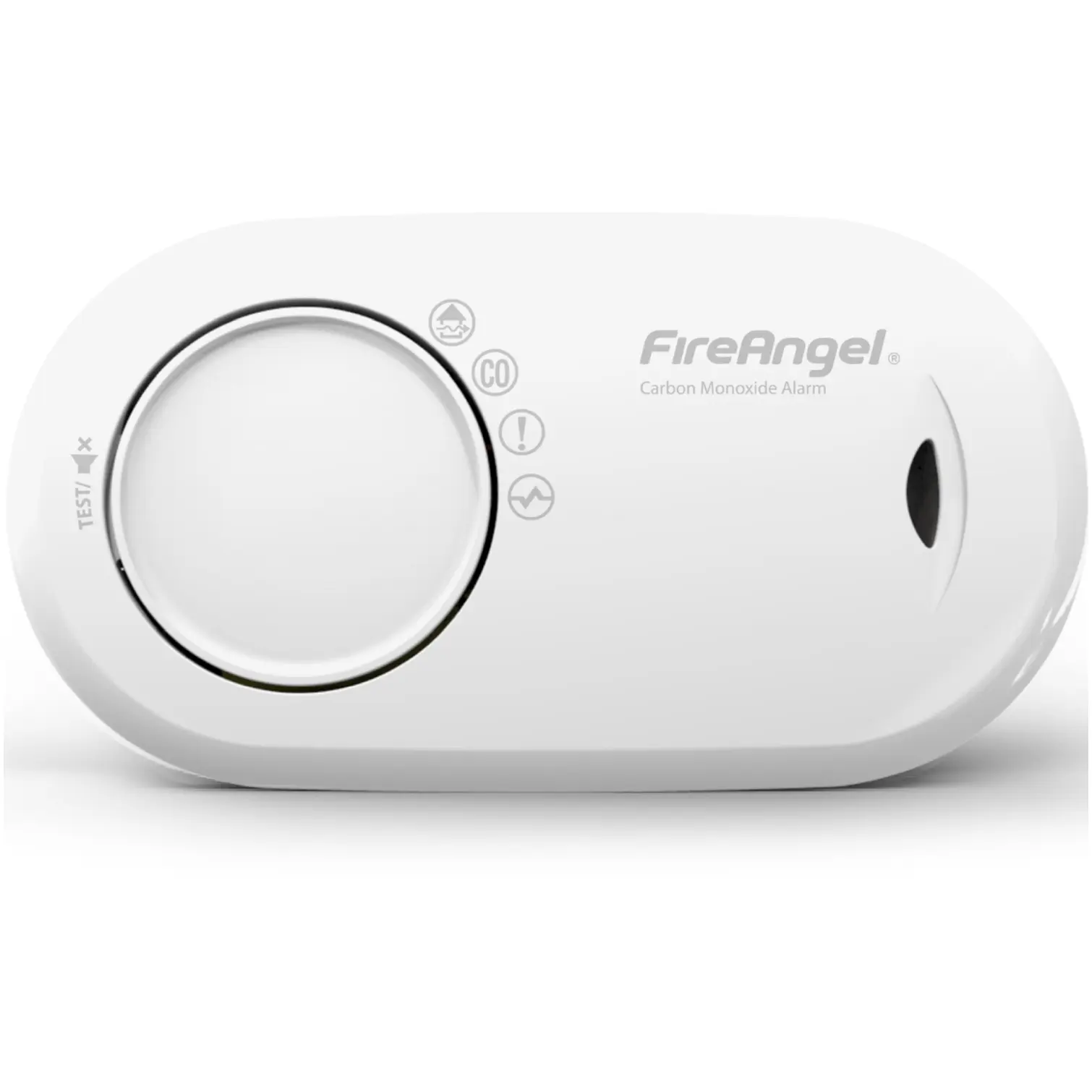
Carbon monoxide has no colour, smell or taste. A blocked chimney or a poorly sealed stove can fill a room with it without any sign. In Scotland, every home with a carbon-fuelled appliance, including an open fire or stove, must have a carbon monoxide alarm. The FireAngel 10 year CO alarm has a sensor that lasts a decade with no battery changes, and the Hispec interlinked CO alarm links with compatible smoke and heat alarms so they all sound together. Test yours before the first fire of the season.
Fire Guards
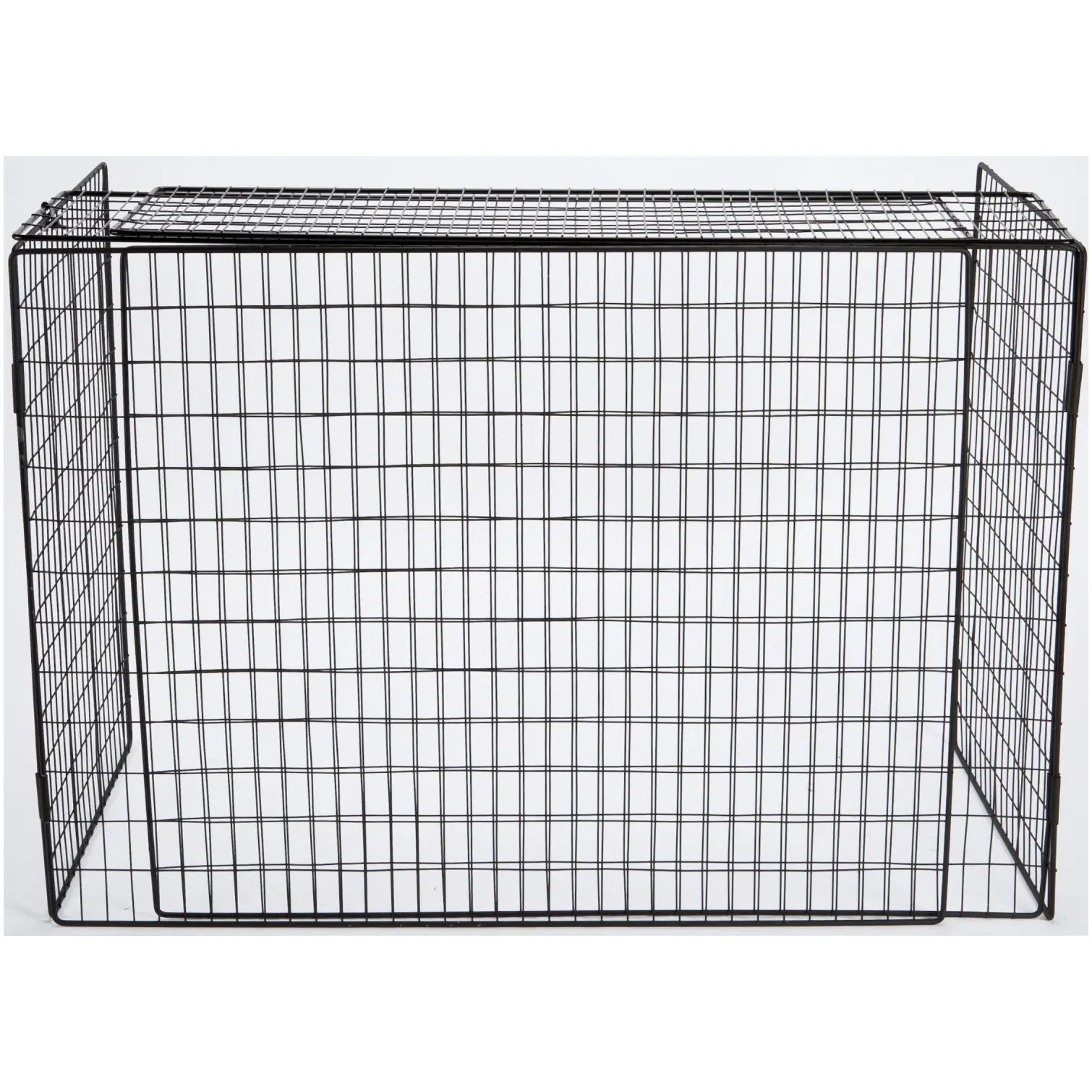
A spark guard stops embers spitting out onto your carpet, and a nursery guard stops children and pets getting too close. If you have young children, choose a full nursery guard that fixes to the wall, and look for one marked as meeting the British Standard for fireguards, BS 8423. We stock the nursery guard, spark guard and decorative guards like the Fireside Range curved guard.
Dealing With Hot Ash Safely
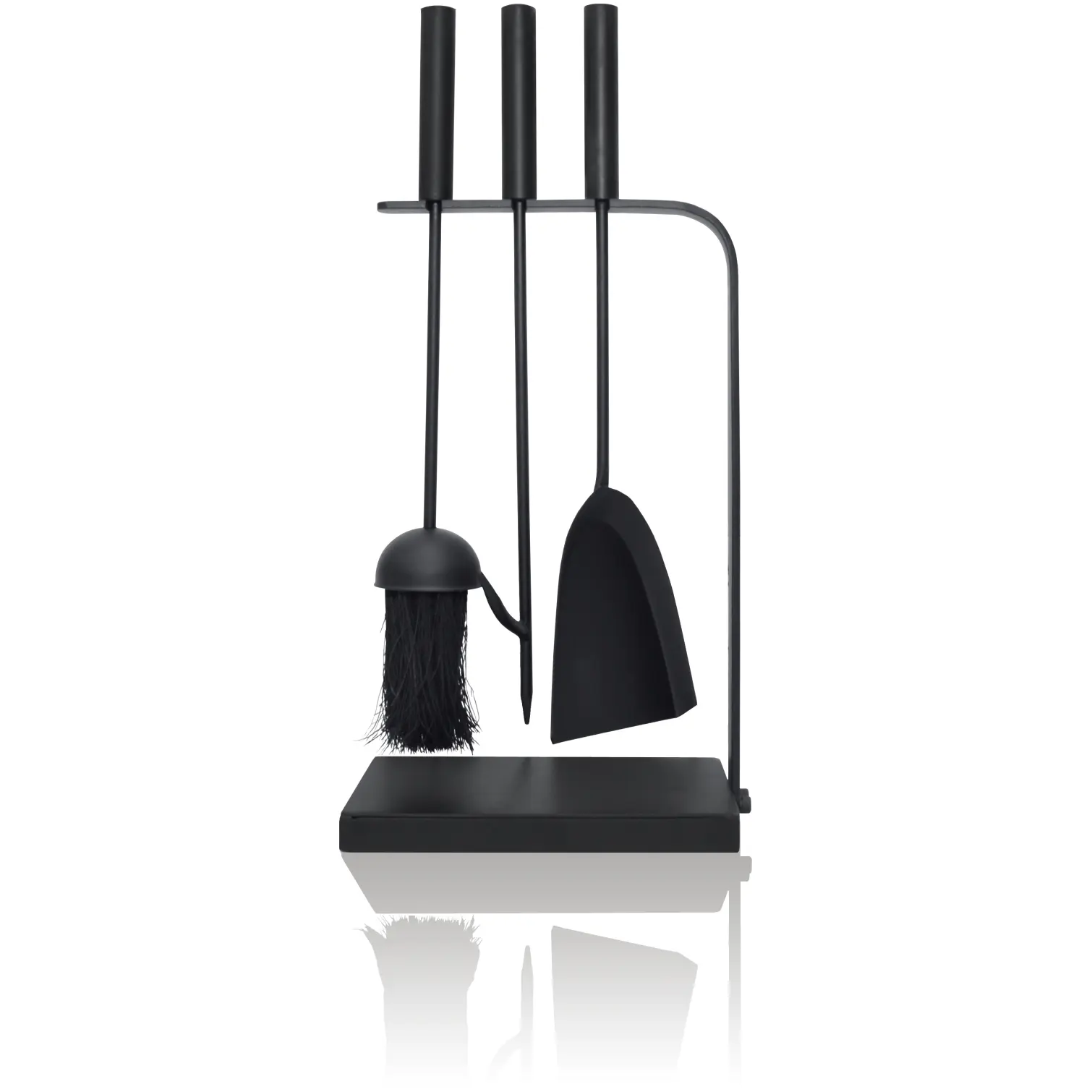
Ash can stay hot enough to start a fire for a long time after the fire looks out. Never put it in a plastic bin or a cardboard box. Shovel it into a metal ash bucket with a lid, leave it outside away from the house, sheds and fences, and only empty it once it’s completely cold. A companion set with a brush, shovel and poker makes this cleaner and safer, and heat resistant gloves protect your hands.
Fire Blanket and Extinguisher
Keep a fire blanket in the kitchen and a small 1kg ABC powder extinguisher somewhere easy to reach. Make sure everyone in the house knows where they are.
Storing Fuel for Winter
Keep coal and smokeless fuel dry in a galvanised coal bunker outside, and bring in a day’s worth at a time in a coal hod. Store logs off the ground under cover, with air moving round them. Never store fuel right next to the fireplace where sparks could reach it.
Common Mistakes With Open Fires and Stoves
- Skipping the chimney sweep. Soot build-up is the main cause of chimney fires.
- Burning wet wood. It smokes, tars the chimney and gives out far less heat.
- Burning household rubbish, treated wood or packaging. It produces toxic fumes and damages the flue.
- Using the wrong fuel for your appliance or your area.
- Emptying warm ash into a plastic bin.
- No carbon monoxide alarm, or one that’s never tested.
- Leaving a fire unattended without a guard in place.
Our Recommendation
- First job: book the chimney sweep and test your CO alarm.
- Not sure which fuel? Pearsons Of Duns Hot Ovoids Smokeless Fuel 10kg are the safe all-rounder for open fires and multi-fuel stoves.
- Wood burner: Fireside Fuels Premium Kiln Dried Birch Hardwood Logs Large Bag, kiln dried and ready to burn.
- Easy lighting: Kindling Sticks Large Pack and Zip Wrapped Firelighters (18).
- Families: a wall-fixed nursery guard and a 10 year CO alarm.
Frequently Asked Questions
How often should I get my chimney swept?
At least once a year, ideally before you start using the fire in autumn. If you burn wood or house coal regularly, it may need sweeping more often. Your chimney sweep can advise based on your fuel and how much you use the fire.
What is the best fuel for an open fire?
Smokeless fuel is a good all-rounder for open fires and multi-fuel stoves and is suitable for smoke control areas. If you burn logs, use dry, kiln-dried wood with a moisture content below 20%.
Can I burn coal in a smoke control area in Scotland?
Not house coal on an open fire. In a smoke control area you can only burn authorised smokeless fuels unless your stove is an approved exempt appliance. Check with your local council if you are not sure whether you live in one.
Do I need a carbon monoxide alarm with an open fire?
Yes. In Scotland, homes with a carbon-fuelled appliance, including an open fire or stove, must have a carbon monoxide alarm. Test it regularly and before the first fire of the season.
Why does my fire smoke back into the room?
Usually because the chimney is cold or the air supply is restricted. Warm the flue with a lit roll of newspaper before lighting, open the air vents and use dry fuel. If it keeps happening, stop using the fire and have the chimney checked and swept.
How do I dispose of ash from my fire safely?
Put it in a metal bucket with a lid, leave it outside away from buildings and fences, and only empty it once it is completely cold. Never put warm ash in a plastic bin.
Related Reading
Shop Fireside Essentials
Browse more: Solid Fuels, Hearth Sundries, Fire Grates & Ash Pans, Coal Buckets & Hods, Fire Guards, Stove Spares & Accessories and Smoke & CO Alarms. Order online for home delivery or Click & Collect from your nearest Home Hardware store.