

25 DIY Jobs to Do in October: The Ultimate Autumn Home Maintenance Checklist
October is the last good month for DIY before winter. The days are still long enough to get outside jobs done, the weather still gives you the odd dry weekend, and anything you fix now won’t turn into an emergency in January.
This checklist covers 25 autumn home maintenance jobs, split into outside jobs, inside jobs and safety. Most take less than an hour. None need a tradesperson, and we’ll say clearly when one does. Every product we mention is in stock online, and you can order for Click & Collect from your local Home Hardware store.
Short on Time? Start With These Five
If you only get one weekend, these are the DIY jobs to do before winter that save the most money and hassle:
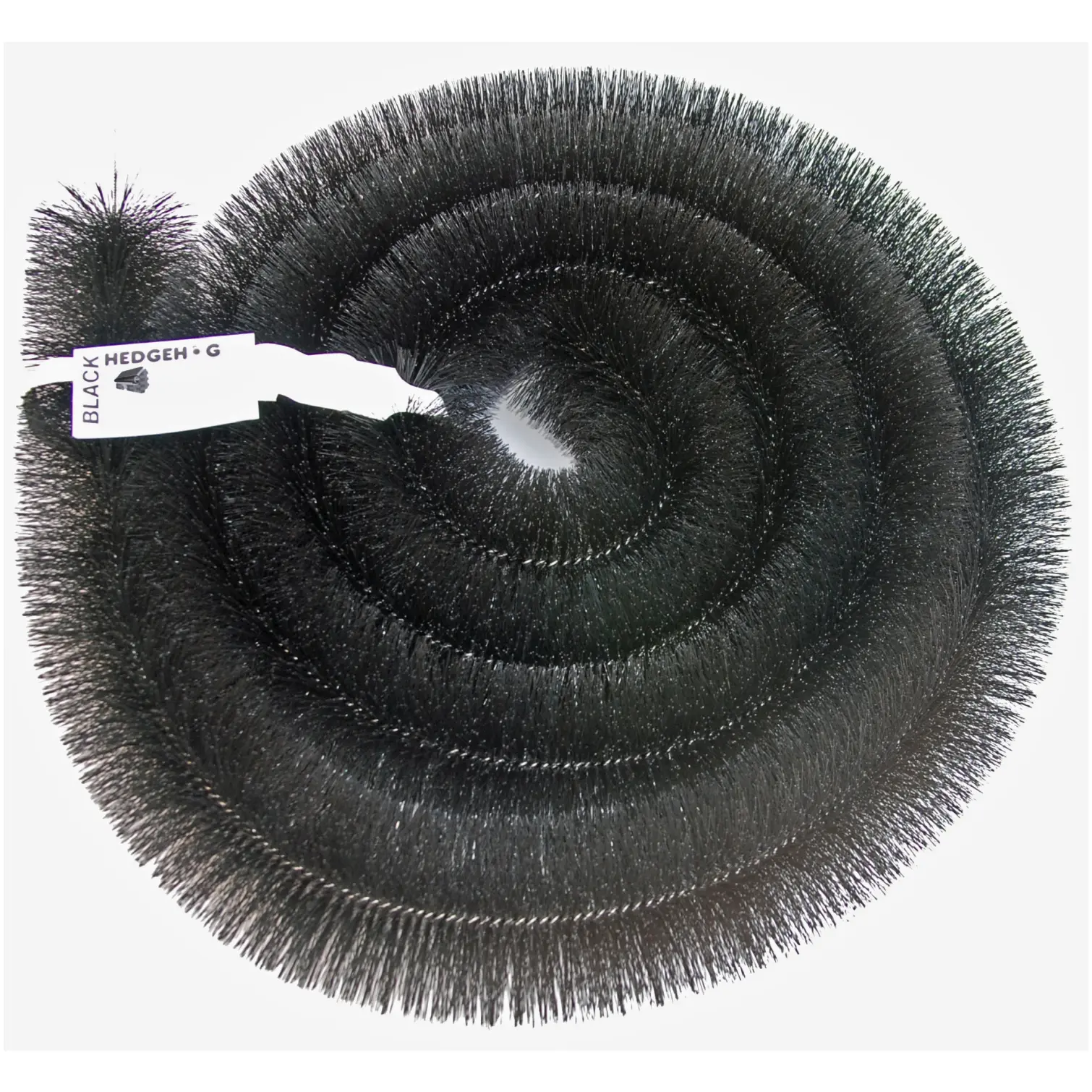
- Clear the gutters. Blocked gutters cause damp walls. A Hedgehog gutter brush keeps them clear afterwards.
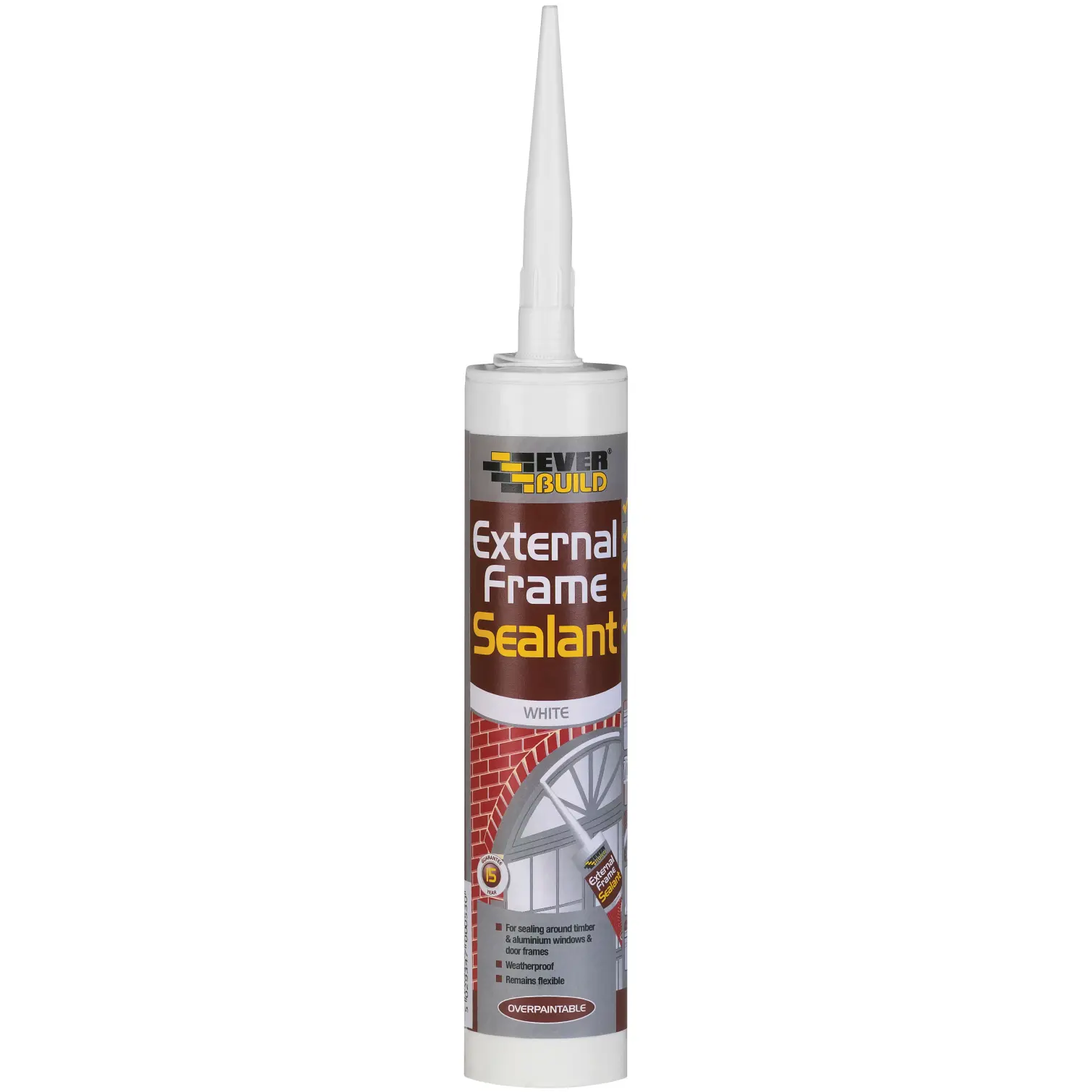
- Reseal window frames. A £4.49 tube of Everbuild White 290ml Frame Sealant Acrylic stops rain and wind getting in.
- Protect the outside tap. An outside tap cover costs less than a tenner. A burst pipe costs a lot more.
- Draught-proof the front door. Exitex P strip and a sealed letterbox make the hall noticeably warmer.
- Test your alarms. Two minutes per alarm, and the FireAngel 10 year CO alarm needs no battery changes for a decade.
Which Jobs Are Right for Your Home?
- Older house with wooden windows? Prioritise jobs 3, 4 and 12: sealing, repairing and draught-proofing.
- Got a garden, shed or fence? Jobs 5, 6 and 10 protect what’s outside before the gales arrive.
- New to DIY? Start with jobs 7, 11, 14 and 23. They’re quick, cheap and almost impossible to get wrong.
- Hosting at Christmas? Jobs 15, 16, 17 and 18 get the inside looking its best.
- Live somewhere exposed? Jobs 1, 2, 8 and 24 are about getting ready for storms and power cuts.
Outside Jobs: Get Your Home Ready for Wind and Rain
Do the outside jobs first, while there are still dry days. A run of rain in November can make painting and sealing impossible until spring. Sealants, fillers and paints are all in our sealants range and decorating fillers.
1. Clear Your Gutters and Downpipes Before the Leaves Drop
Clear Blocked Gutters Before Winter Rain
Blocked gutters are behind more autumn damp problems than almost anything else. Water that can’t get away runs down the wall instead, soaks the brickwork and finds its way inside. Do this job once most of the leaves are down, and again in early spring if you have big trees nearby.
Scoop out the muck by hand (with gloves on), then run a hose down each downpipe to check it flows. If water backs up, the blockage is in the pipe. Once everything is clear, a Hedgehog gutter brush sits inside the gutter and stops leaves settling in it, and downpipe filters stop debris getting into the drain. Got a leaking joint? A bead of Everbuild Roof & Gutter Sealant will see it through the winter.
Use a proper ladder for this. A Werner extension ladder is the right tool for first-floor gutters, and for a bungalow or a garage roof a sturdy 5 tread step ladder may be enough. We cover the inside effects of blocked gutters in our damp and moisture checklist.
2. Check the Roof for Slipped Tiles and Failed Flashing
Spot Roof Damage From the Ground
You don’t need to climb on the roof to check it. Stand across the road on a clear day and look for slipped or missing tiles, cracked mortar on the ridge, and lead or flashing that has lifted where the roof meets a wall or chimney.
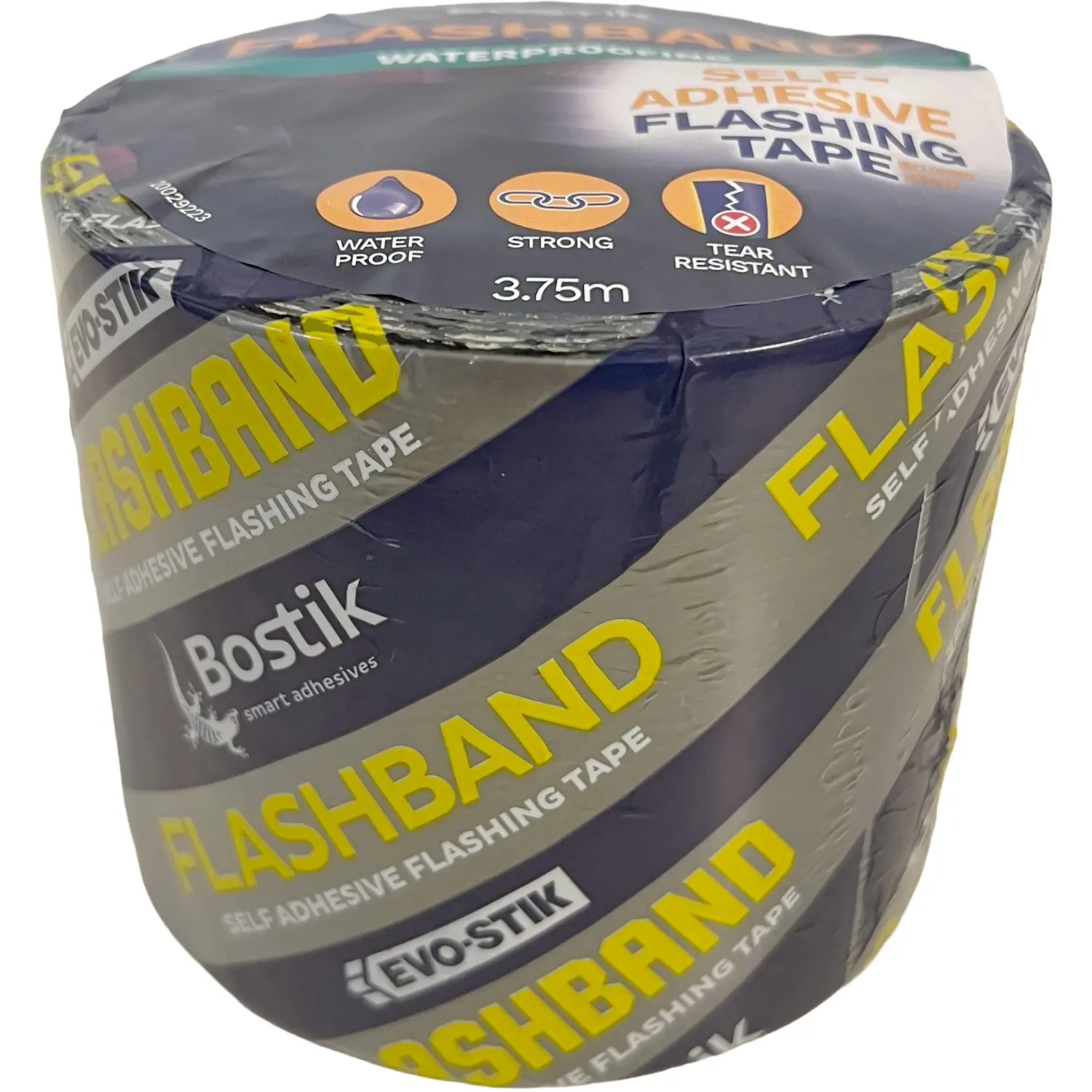
Small leaks around flashing on a shed, porch or garage roof are a fair DIY fix. Bostik Flashband With Primer 3.75m x 100mm is a self-adhesive flashing tape that comes with its own primer, and Thompson’s Black Emergency Roof Mastic 750ml is made for plugging cracks fast, even in the wet. Anything on the main roof that needs you above ladder height is a job for a roofer. Get it booked now, because their diaries fill up fast once the first storm hits.
3. Reseal Gaps Around Window and Door Frames
Seal Window Frames to Stop Draughts and Damp
Run a finger along the outside of each window and door frame. If the old sealant is cracked, shrunk or coming away from the wall, wind and rain are getting in behind it.
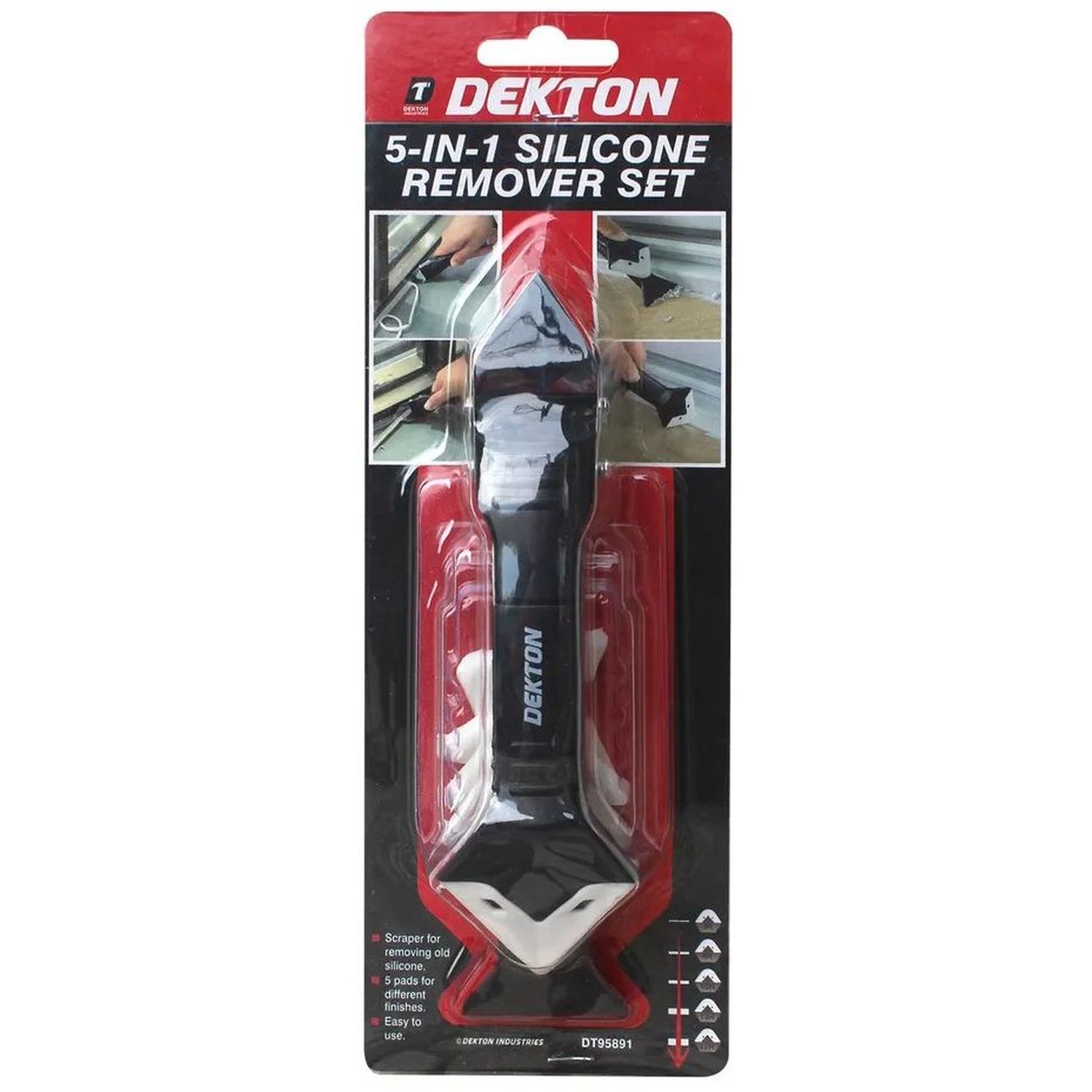
Cut out the old stuff with the Dekton 5 in 1 silicone remover tool, brush the gap clean and let it dry. Then run a fresh bead of Everbuild White 290ml Frame Sealant Acrylic with a sealant gun. Frame sealant stays flexible and can be painted over, so it moves with the frame through hot and cold spells without cracking. Not sure whether you need sealant, silicone or caulk? Our guide to filling and sealing cracks, gaps and holes explains which to use where.
4. Repair and Repaint Exterior Woodwork
Fix Rotten Window Sills and Fascias Before Winter
Window sills, door frames and fascia boards take a battering in a Scottish winter. Bare or flaking wood soaks up rain, and soft wood turns to rot. October is your last decent chance to fix it while you can still get a few dry days in a row.
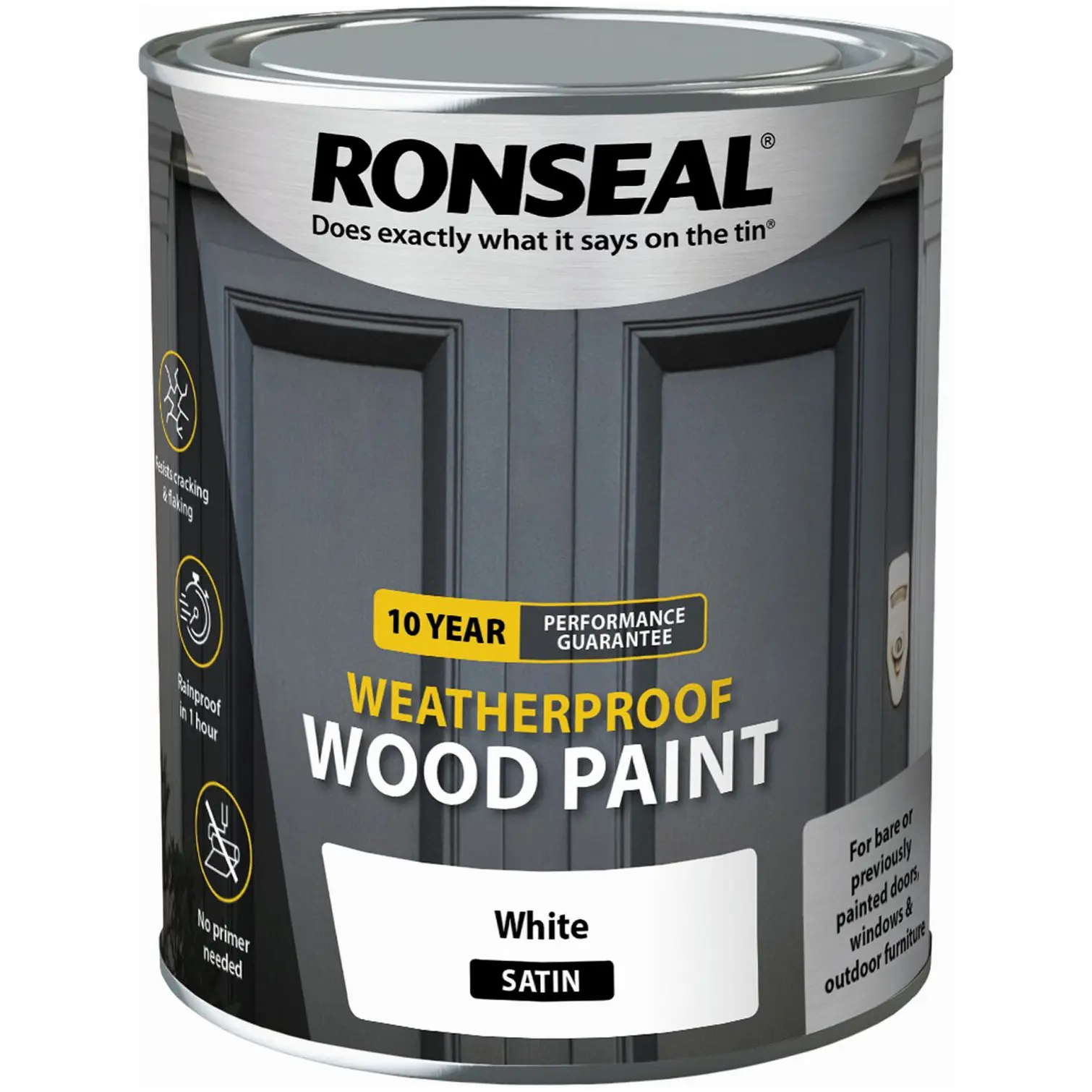
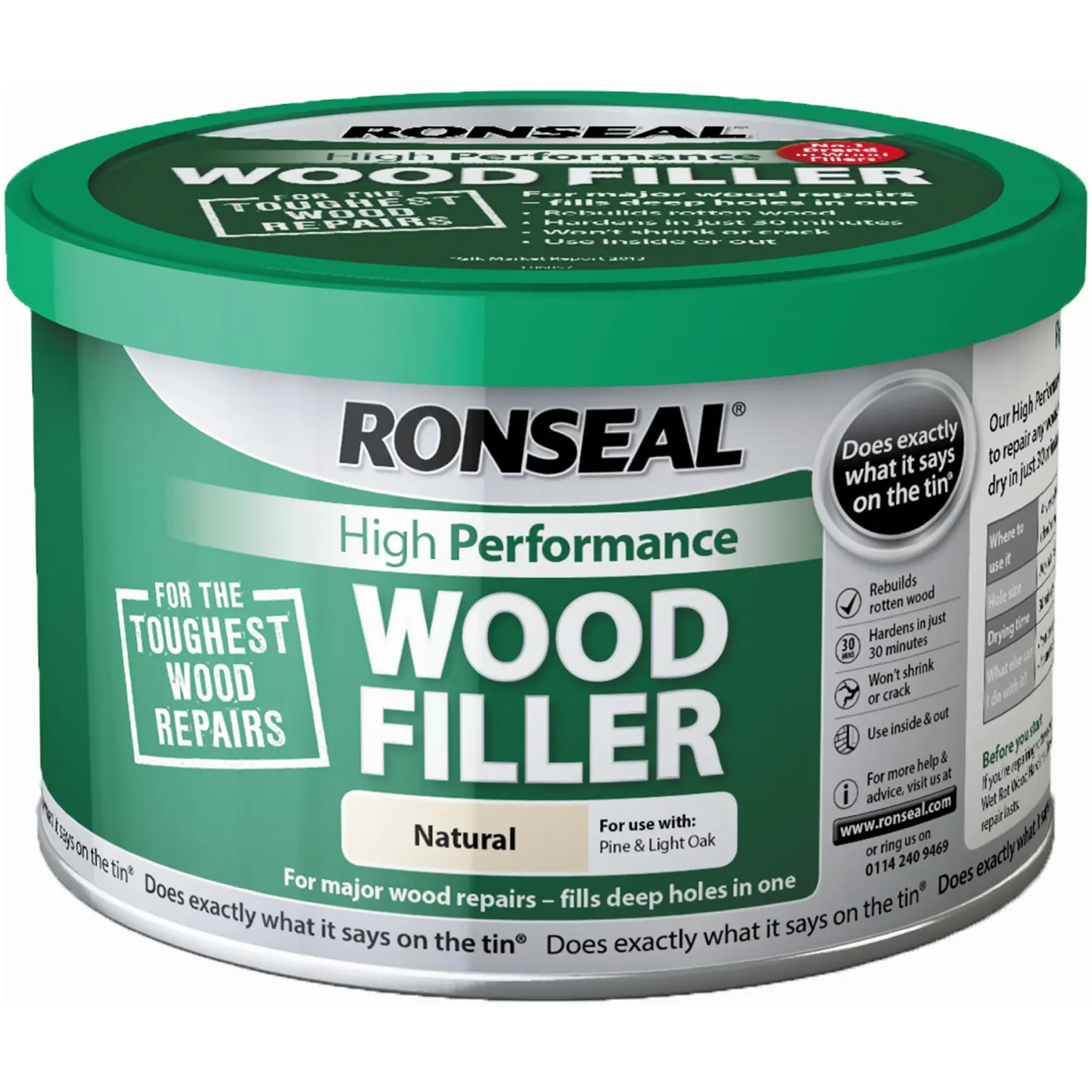
Scrape off loose paint, sand the edges back with some assorted sandpaper, and dig out any soft wood. Fill the holes with Ronseal High Performance Woodfiller Natural 275g. It’s a two-part filler that won’t shrink or crack, and it dries in about 30 minutes. Then finish with an exterior paint like Ronseal 10Y Weatherproof Wood Paint White Satin 750ml using a good 2 inch brush. Check the tin for the minimum temperature, and paint in the middle of the day when surfaces are dry.
5. Treat the Shed and Fence While It’s Still Dry
Protect Sheds and Fences From Winter Rain
Untreated wood goes grey, then green, then soft. A coat of treatment now keeps the rain off the shed and fence all winter.
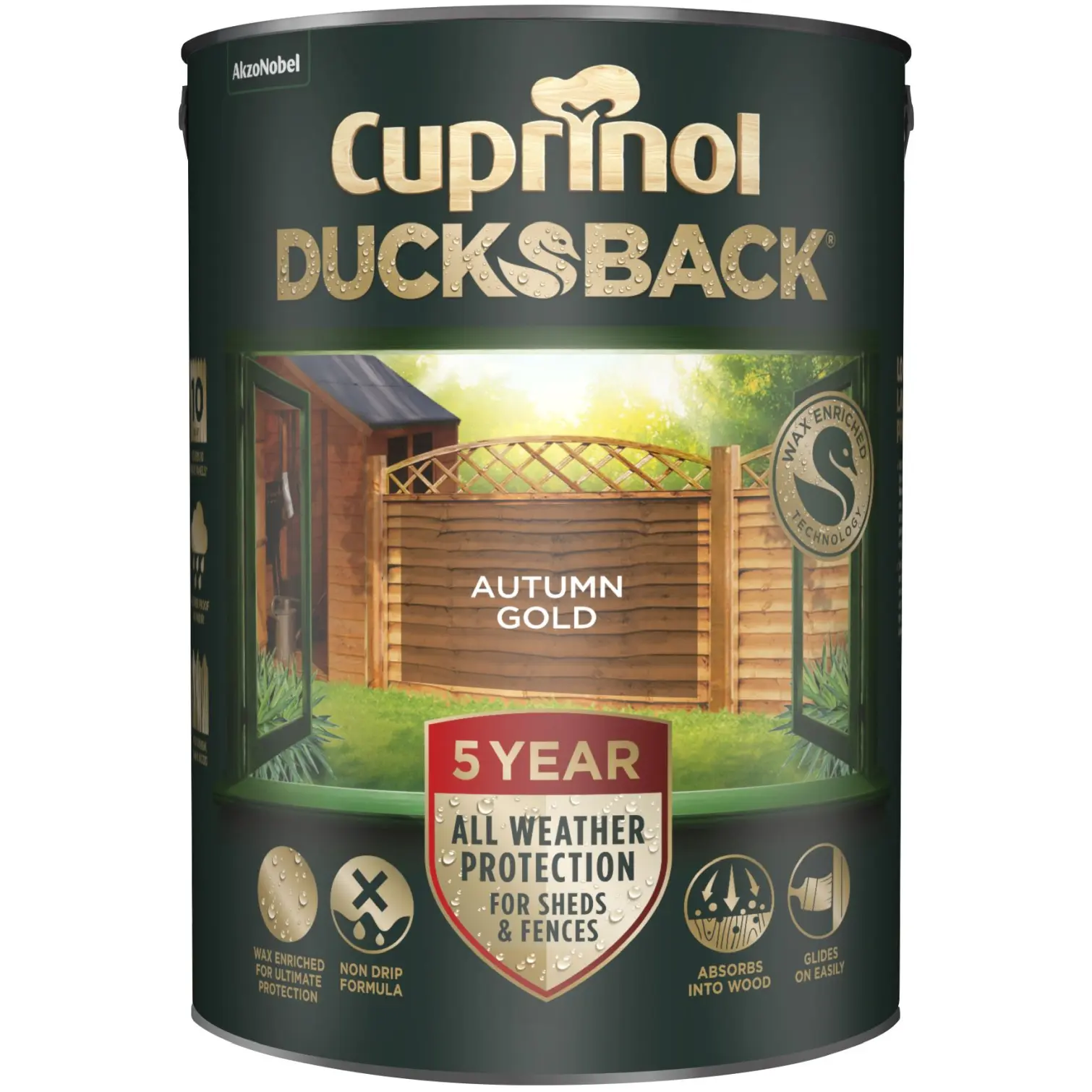
Cuprinol Ducksback Autumn Gold 5Ltr colours and weatherproofs rough sawn wood for up to 5 years, and it’s showerproof in an hour, which matters on a Scottish autumn afternoon. It’s also safe to use around plants and pets. A 12cm shed and fence brush gets into the grain on rough boards, or try the Rodo shed and fence roller kit for big flat panels. For small jobs, a Ronseal One Coat pouch is plenty. Want more colour ideas? See our fence and decking paint guide.
6. Fix Sagging Gates and Loose Fence Panels
Repair Gate Hinges and Latches Before the Wind Picks Up
Autumn gales find every weak spot. A gate that drags on the path or a fence panel that rattles is the one that ends up in next door’s garden in November.
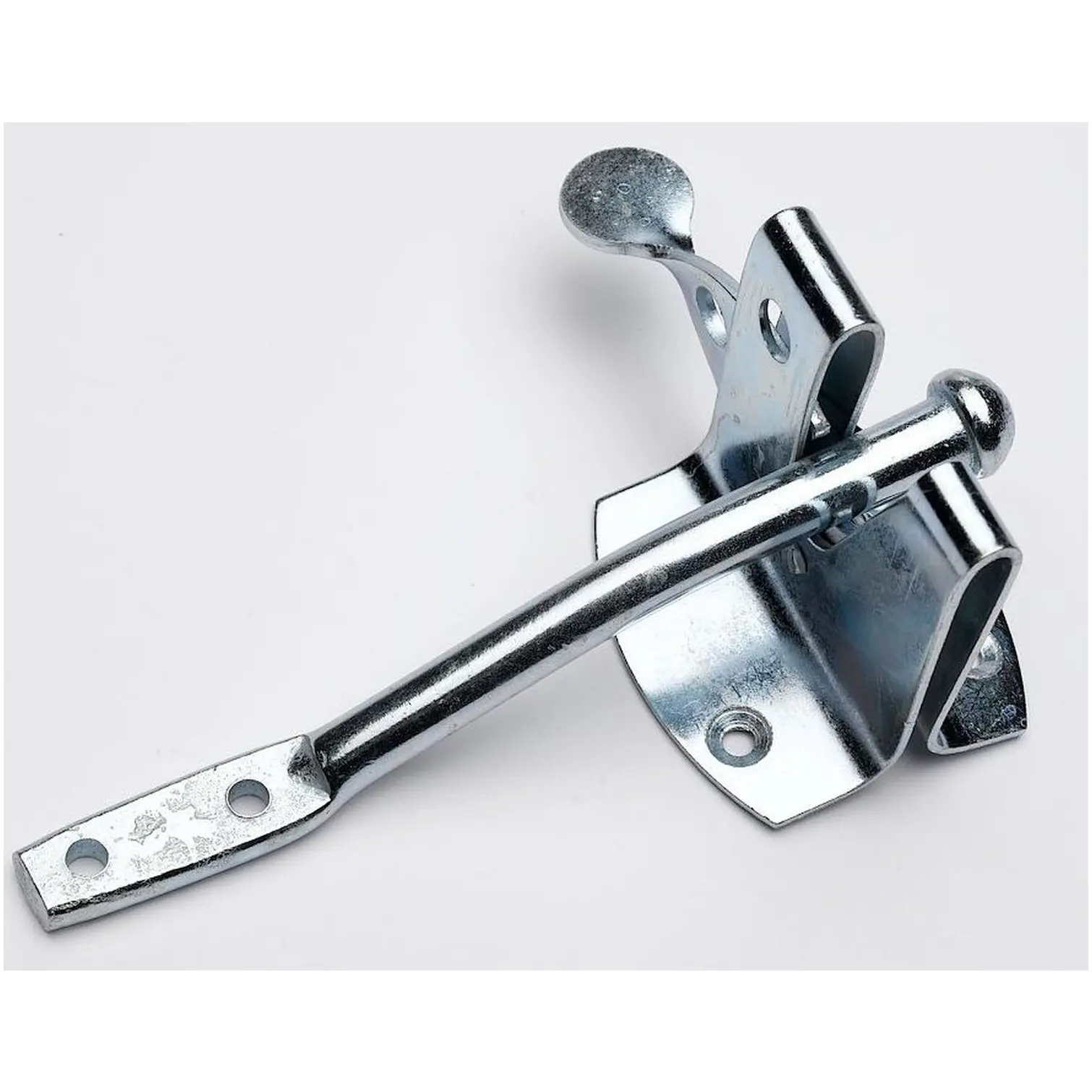
Tighten or replace rusty screws with exterior-grade ones like these decking screws, and if a hinge has bent, swap it for a heavier hook and band hinge. A gate that won’t stay shut is an easy fix with a galvanised auto gate latch, which catches by itself every time the gate swings closed. A cordless drill like the Black+Decker 18v drill driver makes all of this a ten-minute job.
7. Oil Locks, Hinges and Garage Door Runners
Stop Squeaky Hinges and Stiff Bolts
Cold weather makes stiff metal stiffer. Spend twenty minutes going round the outside of the house with a can of lubricant: gate hinges, door bolts, padlocks, garage door runners and the shed hasp.
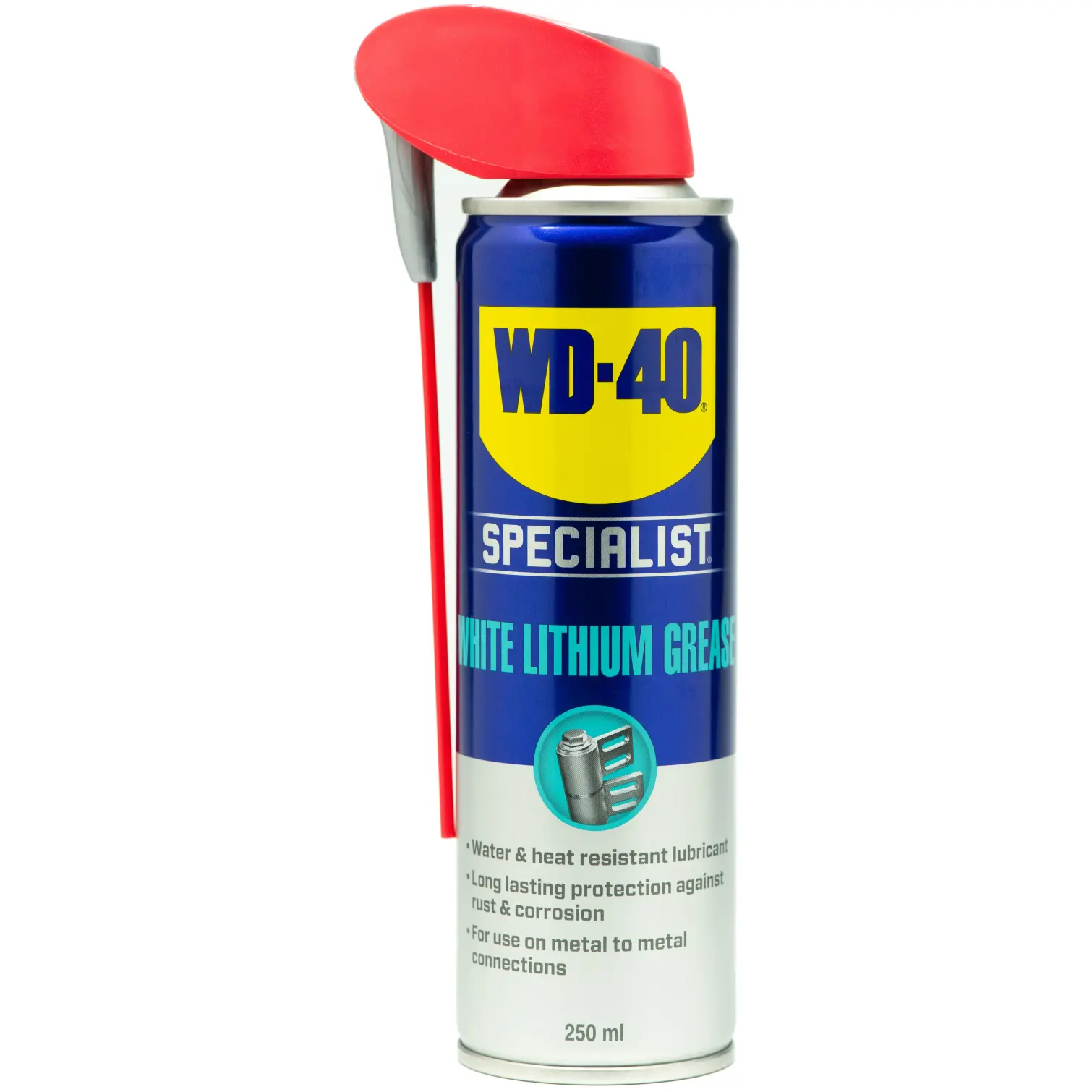
WD-40 Specialist 250ml Lithium Spray sprays on as a liquid and sets as a thick grease that won’t run off, so it’s ideal for hinges and runners that live outdoors. For smaller indoor jobs like a squeaky door hinge or a stiff window catch, a drop of 3 in 1 Oil 100ml Flexican does the trick.
8. Check Your Outdoor and Security Lights
Brighten Dark Paths and Driveways for Winter
By late October you’ll be coming home in the dark. Walk round the outside of the house one evening and check every outdoor light works. Replace dead bulbs, clean the sensor lenses and point PIR lights at the paths you actually use.
If you have an old halogen floodlight, a Luceco slimline LED PIR floodlight uses far less power and only comes on when it detects movement. Swapping a mains fitting is a job for a qualified electrician. If you’d rather avoid wiring altogether, a Kingavon 600 lumen solar security light screws straight onto the wall with no cables at all.

9. Clear Drains and Outside Gullies
Unblock Outside Drains Before Heavy Rain
Leaves, moss and silt collect in the gully grates around the house and slowly choke them. Then the first heavy downpour floods the path.
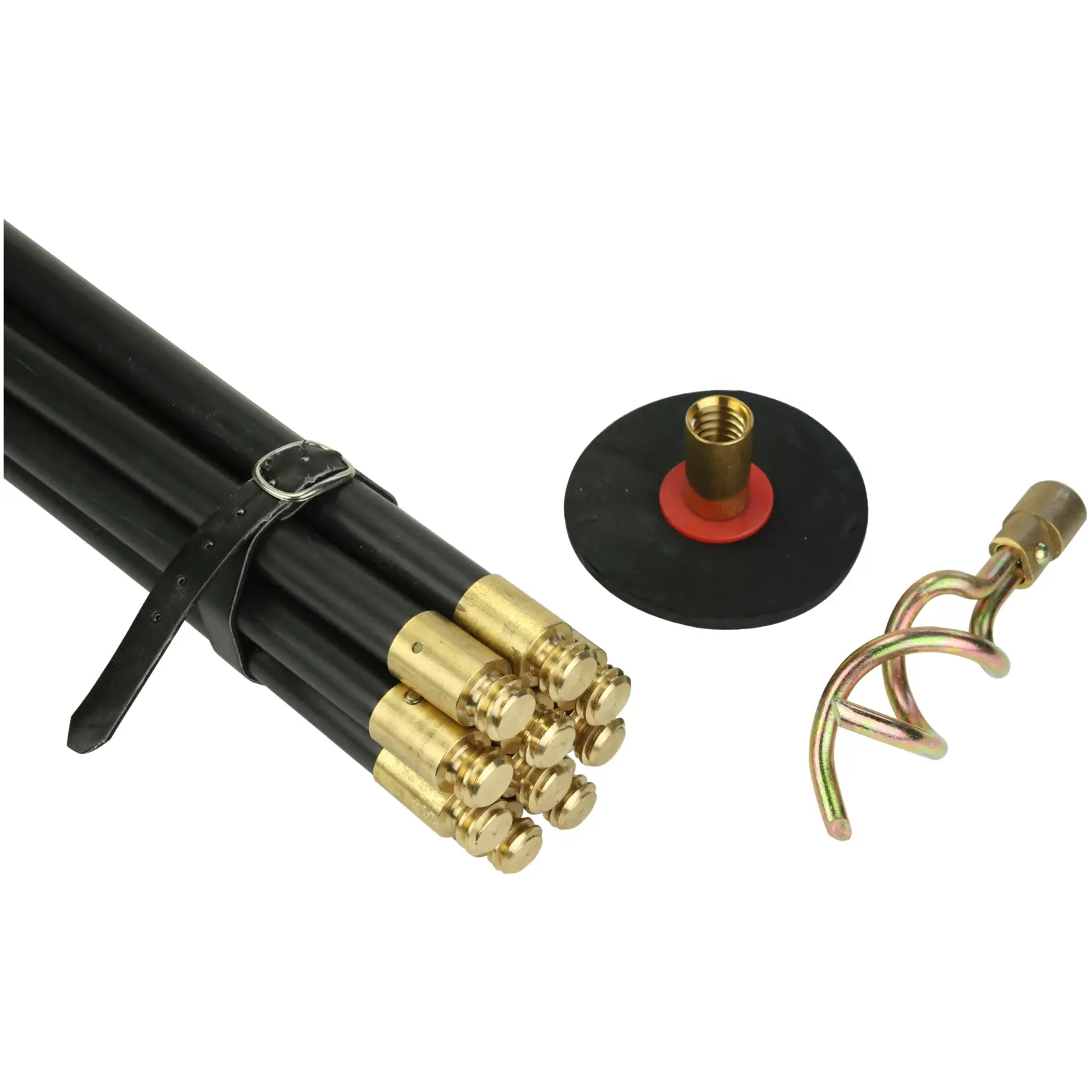
Lift the grate, scoop out what you can (wear gloves), and flush it through with a bucket of water. If the water sits there, the blockage is further down the pipe and a Masefield drain rod set will shift it. For kitchen and bathroom plugholes that are running slow, a bottle of Kil-Block 500ml Drain Unblocker or an Amtech waste pipe unblocker usually sorts it without a plumber.
10. Protect Outside Taps and Put the Hose Away
Stop Outside Taps Freezing This Winter
A frozen outside tap can split the pipe behind it, and you won’t know until it thaws and starts leaking into the wall.
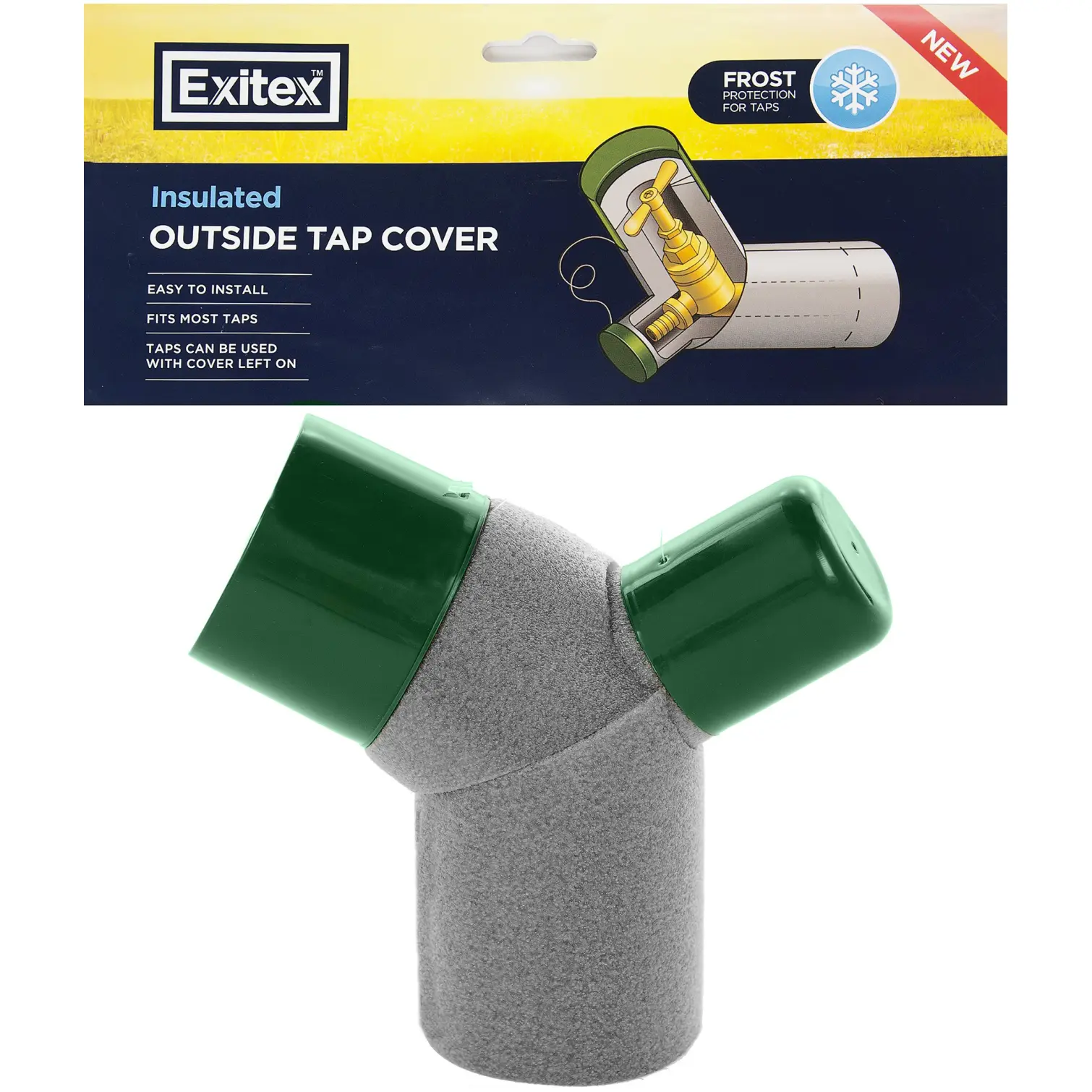
If your outside tap has an isolating valve on the pipe indoors (often under the kitchen sink), turn it off, then open the outside tap to drain what’s left. Pop an Exitex insulated outside tap cover over it, and wrap any exposed pipe with 15mm pipe wrap. Drain the hose, coil it on a hose reel and store it in the shed so it doesn’t crack in the frost.
Inside Jobs: Warmer, Drier and Ready for Visitors
Once the outside is sorted, these are the autumn DIY projects that make the house more comfortable through the winter. Most need nothing more than hand tools, a tube of filler or sealant and an hour or two. Find everything in our draught-proofing range and glues and adhesives.
11. Bleed Your Radiators
How to Bleed a Radiator in Five Minutes
If your radiators are cold at the top and warm at the bottom, there’s air trapped inside. Bleeding them is one of the quickest DIY jobs on this list and it makes a real difference to how warm the house feels.
Turn the heating off and let the radiators cool. Hold a cloth under the valve at the top corner, give a radiator key a quarter turn, and wait for the hiss to stop. Close it as soon as water appears. Afterwards, check the pressure gauge on your boiler and top it up if it has dropped (your boiler manual will say what it should read). For more heat-saving ideas, including radiator reflector foil, read how to keep your home warm this autumn.

12. Draught-Proof Doors and Windows
Find and Fix Draughts Around Doors and Windows
On a windy day, hold the back of your hand near the edges of doors and windows. If you feel cold air, you’ve found a draught.
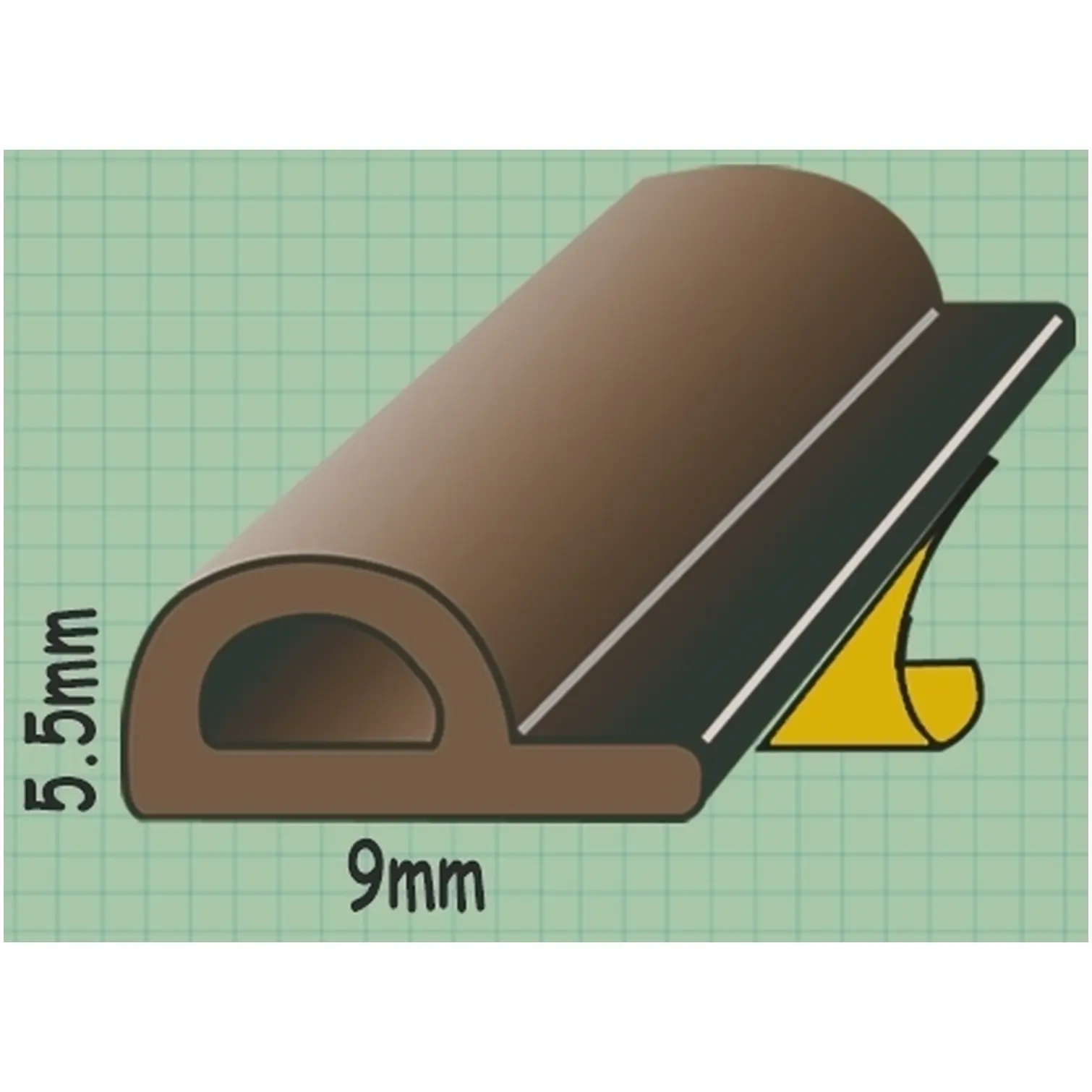
For gaps of 2 to 5mm around opening windows and doors, Exitex P strip is a tough rubber seal that sticks straight onto the frame. The gap under the front door needs a brush draught excluder or an underdoor draught excluder, and a sealed letterbox stops the howl through the letter plate. Fit them on a dry day so the adhesive takes properly.
13. Check the Loft: Insulation, Leaks and the Hatch
Check Your Loft Insulation Before Winter
Heat rises, and in a poorly insulated house a lot of it goes straight out through the roof. Pop up into the loft with a rechargeable head torch and check three things.
- Insulation depth. The recommended depth for mineral wool loft insulation is 270mm. If yours is well below the joists, it’s worth topping up.
- Signs of leaks. Look for damp patches on the timbers or daylight through the tiles, especially around the chimney.
- The hatch. Loft hatches are a classic draught. A strip of Exitex thick foam around the frame seals gaps up to 8mm.
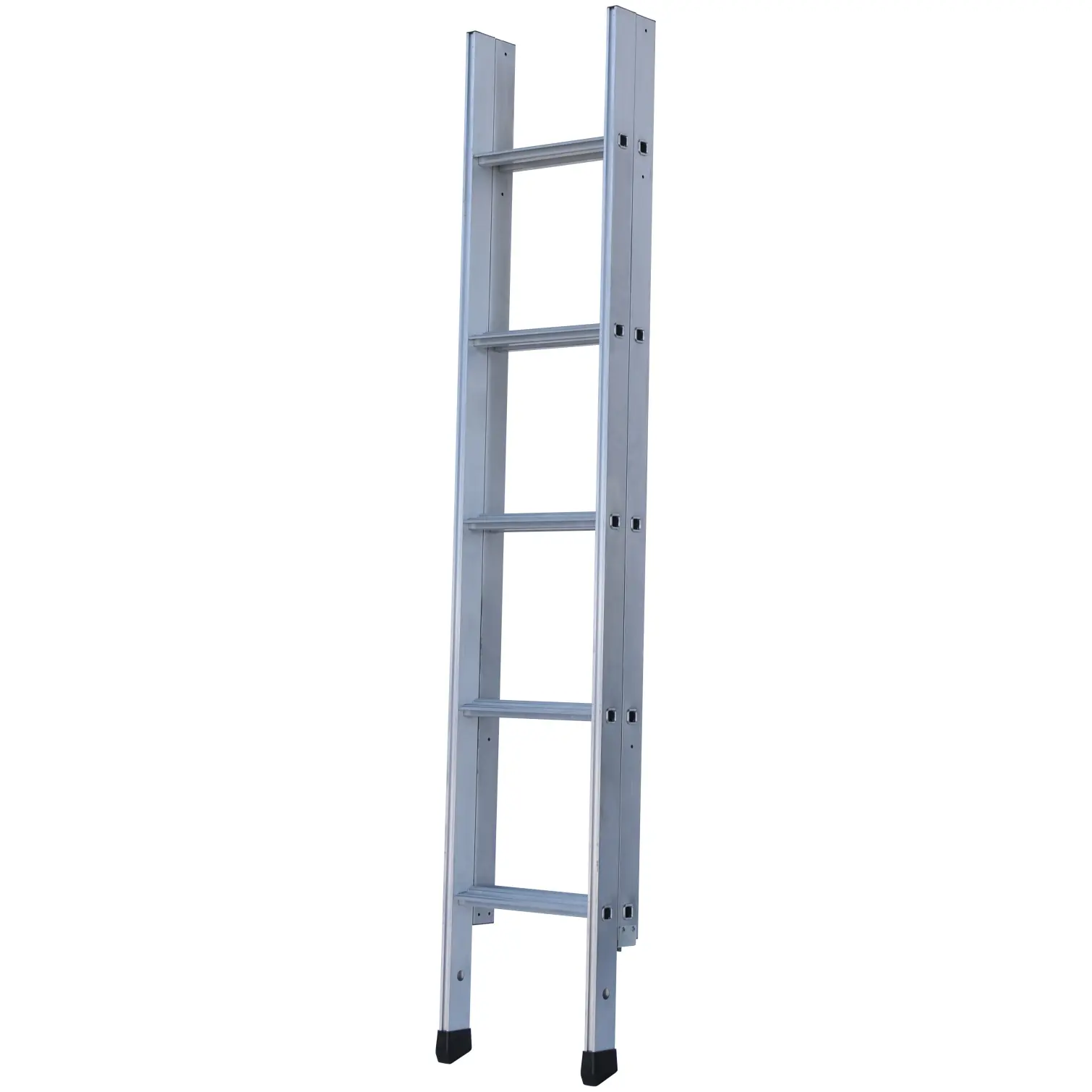
If getting into the loft means balancing on a chair, a Werner 2 part loft ladder makes it safe. It fits openings as small as 457mm x 406mm and comes with all its fittings.
14. Lag Exposed Pipes
Insulate Pipes to Prevent Frozen Pipes
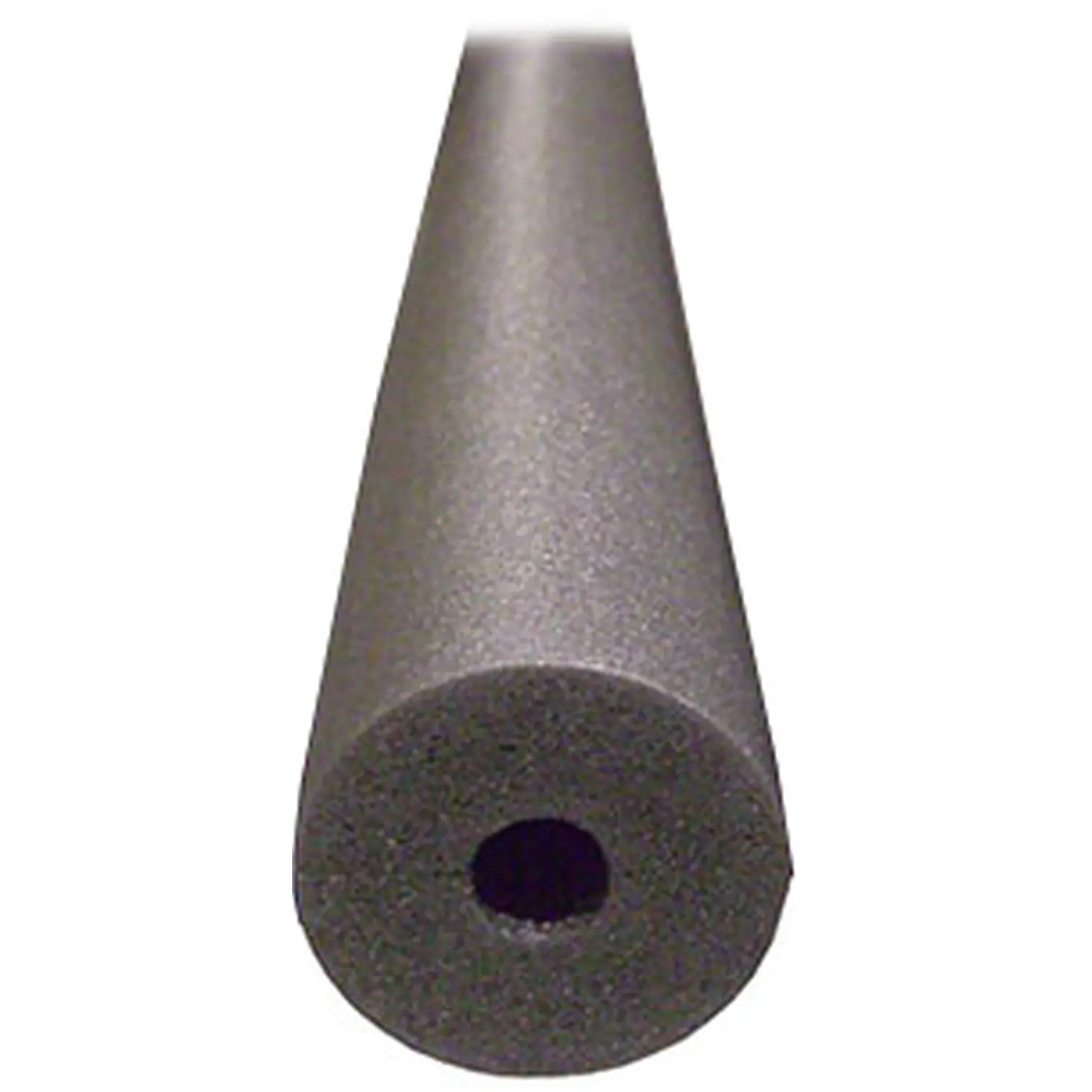
Any water pipe in an unheated space can freeze: in the loft, under the floor, in the garage or along an outside wall. A burst pipe in January is miserable and expensive. Lagging them in October costs a couple of pounds a metre.
Measure your pipes first. Most household copper is 15mm, with 22mm for the main runs to the boiler and hot water cylinder. Primaflow 15mm pipe wrap and 22mm pipe wrap slip straight on. Tape the joins and don’t leave gaps at the bends.
15. Reseal the Bath, Shower and Kitchen Sink
How to Replace Mouldy Bath Sealant
Black, mouldy sealant isn’t just ugly. Once it lifts, water gets behind it and into the wall, the floor and sometimes the ceiling below. Autumn is when bathrooms stay damp longest, so it’s a good time to replace it.
Cut and scrape out all the old sealant with the silicone remover tool. Treat any leftover mould with Zinsser Mould Killer & Remover 750ml, then let everything dry fully, ideally overnight. Fill the bath with water before you seal it so it sits at its heaviest, then run a bead of Everbuild Kitchen + Bath Sealant (it’s got an anti-fungal additive) or Unibond RE-NEW Silicone and smooth it with the profile tool from the same kit. For a wider gap, a Homelux bath seal strip is a neat, no-gun alternative.
16. Fill Cracks and Holes in Walls and Ceilings
Fill Cracks in Plaster Like a Pro
Houses move a little as the heating comes on and the air dries out, and hairline cracks appear around door frames and ceilings. Fill them now and you’ll have a clean finish to paint before Christmas.
For small holes and dents, a tub of Polyfilla multi-purpose is the all-rounder. For cracks that keep coming back, such as where the wall meets the ceiling or around a door frame, use Polyfilla Flexible Filler Tube, which stays flexible where there’s movement. Gaps along skirting boards and architraves are a job for Polycell Decorators Caulk 290ml. A Stanley 50mm filling knife gives you a smooth finish, then sand it flush once it’s dry. For a step-by-step on every type of crack and hole, see how to fill, fix and seal your home before winter.

17. Freshen Up a Room Before Christmas
Paint a Room in a Weekend
If you’re having people over in December, October and November are the months to paint. The house isn’t full yet and you’ve time to let the smell clear.
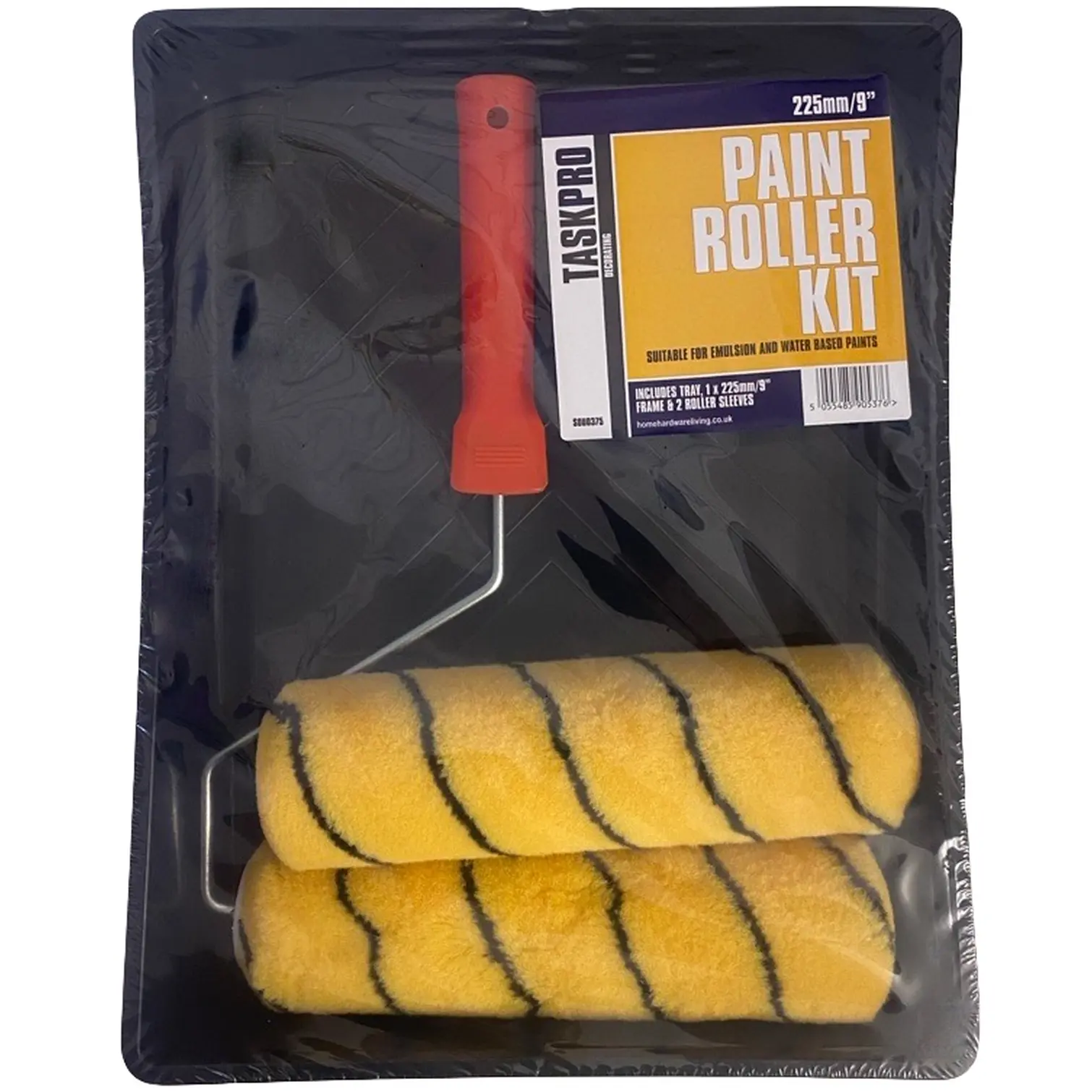
Cover the floor with a TaskPro dust sheet, mask the edges with Rhino masking tape and cut in with a 5 piece brush set. A Taskpro roller and tray kit does the walls fast. For hallways and ceilings, a big tin of Crown 7.5ltr Pure Brilliant White Matt goes a long way. For a bathroom or kitchen that gets steamy, Zinsser Perma White Mould Resistant Paint Matt 1 Litre is made for the job. Our DIY decorating guide covers everything you need to paint a room properly, from prep to the final coat.
18. Re-Fix Loose Skirting, Trims and Tiles
Fix Loose Skirting Boards Without Nails
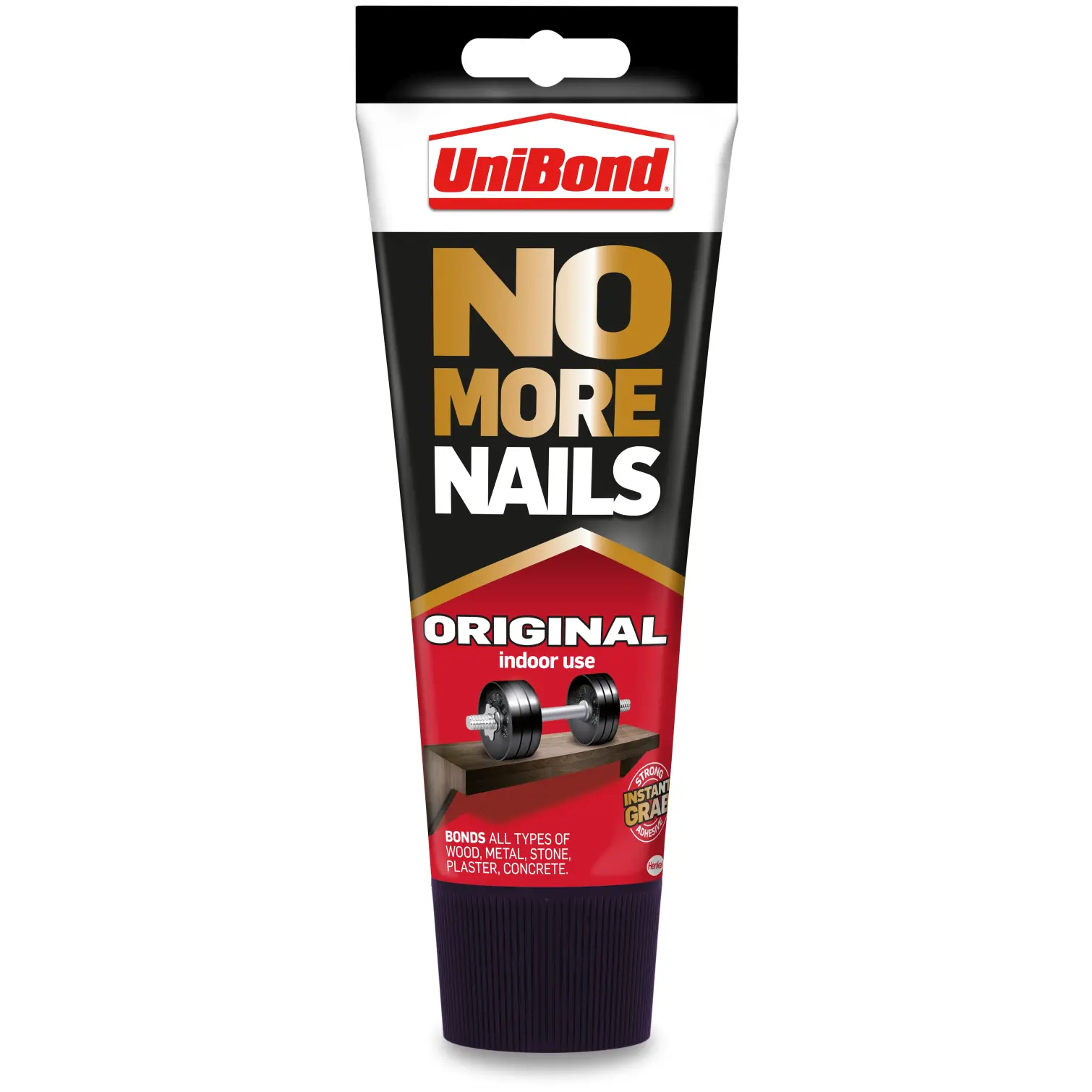
Skirting boards pull away, coving cracks at the joins and the odd wall tile comes loose. These small jobs are easy to put off, but a tube of grab adhesive sorts most of them in minutes.
Unibond No More Nails Tube is a strong interior adhesive that bonds wood, plaster, brick, tile and PVC without nails or screws. For heavier or outdoor items, Gorilla Grab Adhesive grabs straight away so you don’t need clamps. Re-stick a loose tile with Polyfilla Fix & Grout Tube, then freshen grubby grout with a Unibond grout pen.
19. Silence Squeaky Floorboards and Stairs
Stop Floorboards Squeaking for Good
A squeak usually means a board has worked loose from the joist below and is rubbing as you step on it. Find the joist line (the row of existing nails is your guide), then drive a screw through the board into the joist on either side of the squeak.
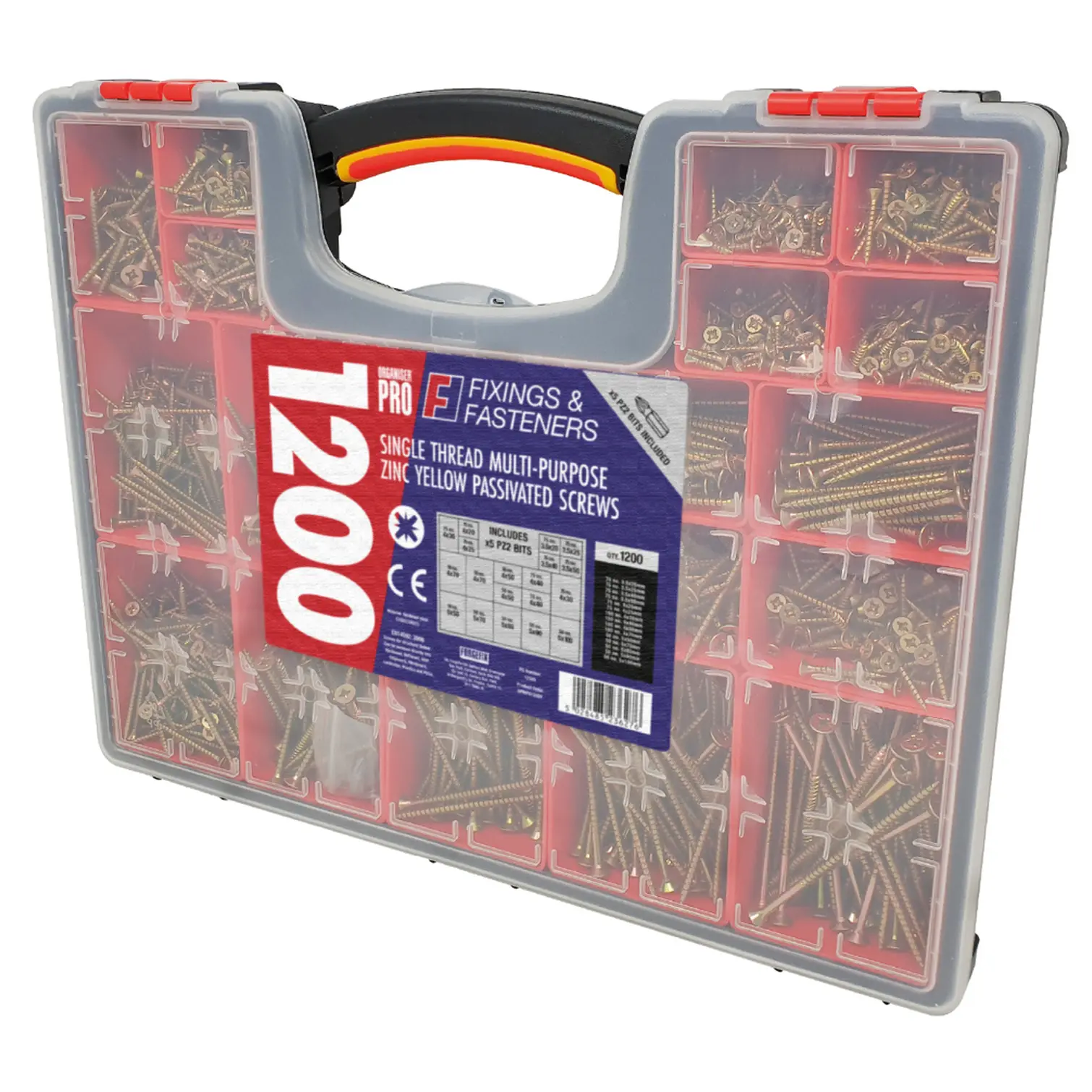
Safety first: pipes and cables often run under floorboards, so lift a nearby board or check carefully before you drive anything in. A Stanley stud detector helps you find the joists. A Forgefix organiser with 1,200 screws means you’ll have the right length to hand for this and every other job on the list.
20. Put Up Shelves, Hooks and Coat Racks
Get Organised for Wet Coats and Muddy Boots
Wet coats, muddy boots and school bags all need somewhere to go. A row of hooks in the hall or a shelf in the utility room makes the dark months much easier.
The Black+Decker 18v cordless combi drill has a hammer function for masonry and an 11 position clutch for screwdriving, so it handles brick walls and plasterboard alike. Use Plasplugs all-in-one fixings, which work in brick, concrete and plasterboard, or Rawlplug toggles for heavier loads on hollow walls. Keep things straight with an Am-Tech spirit level. More drill picks are in our best DIY power tools guide.

21. Fix That Dripping Tap
Fix a Dripping Tap Yourself
A dripping tap wastes water and gets louder every night. On older taps with a rubber washer, it’s often a cheap fix.
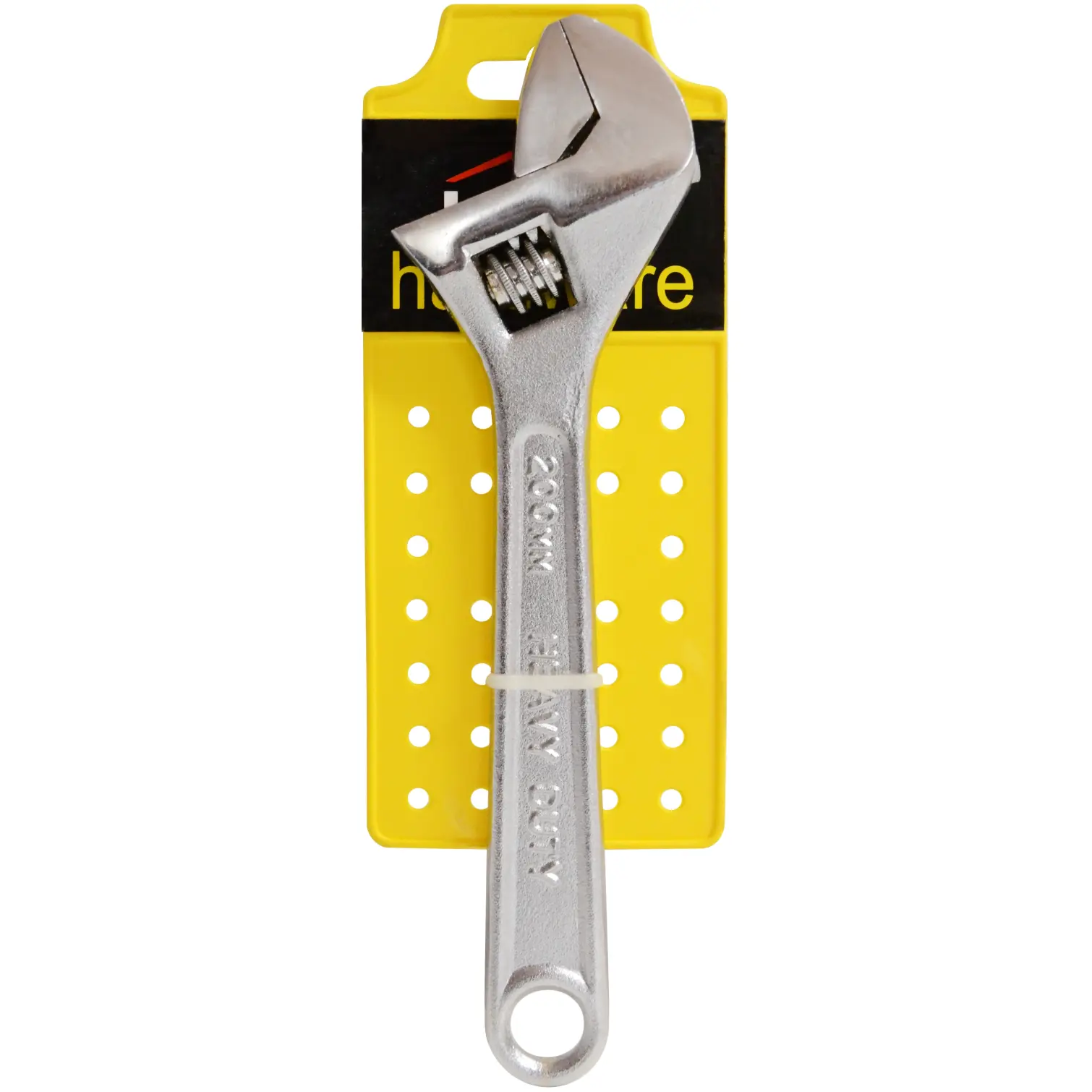
First turn off the water: use the isolating valve under the sink, or the main stopcock (now is a good time to find out where yours is). Unscrew the tap head with an adjustable wrench, swap the old washer for a new 1/2 inch tap washer and reassemble. A few turns of PTFE tape on threaded joints helps stop weeps. Many modern lever taps use ceramic cartridges instead of washers, so check which you have before buying parts.
22. Check Vents and Extractor Fans
Keep Air Moving to Stop Condensation
Once the windows are closed for winter, condensation builds up quickly. Air bricks, trickle vents and extractor fans are what keep it in check, so make sure they’re doing their job.
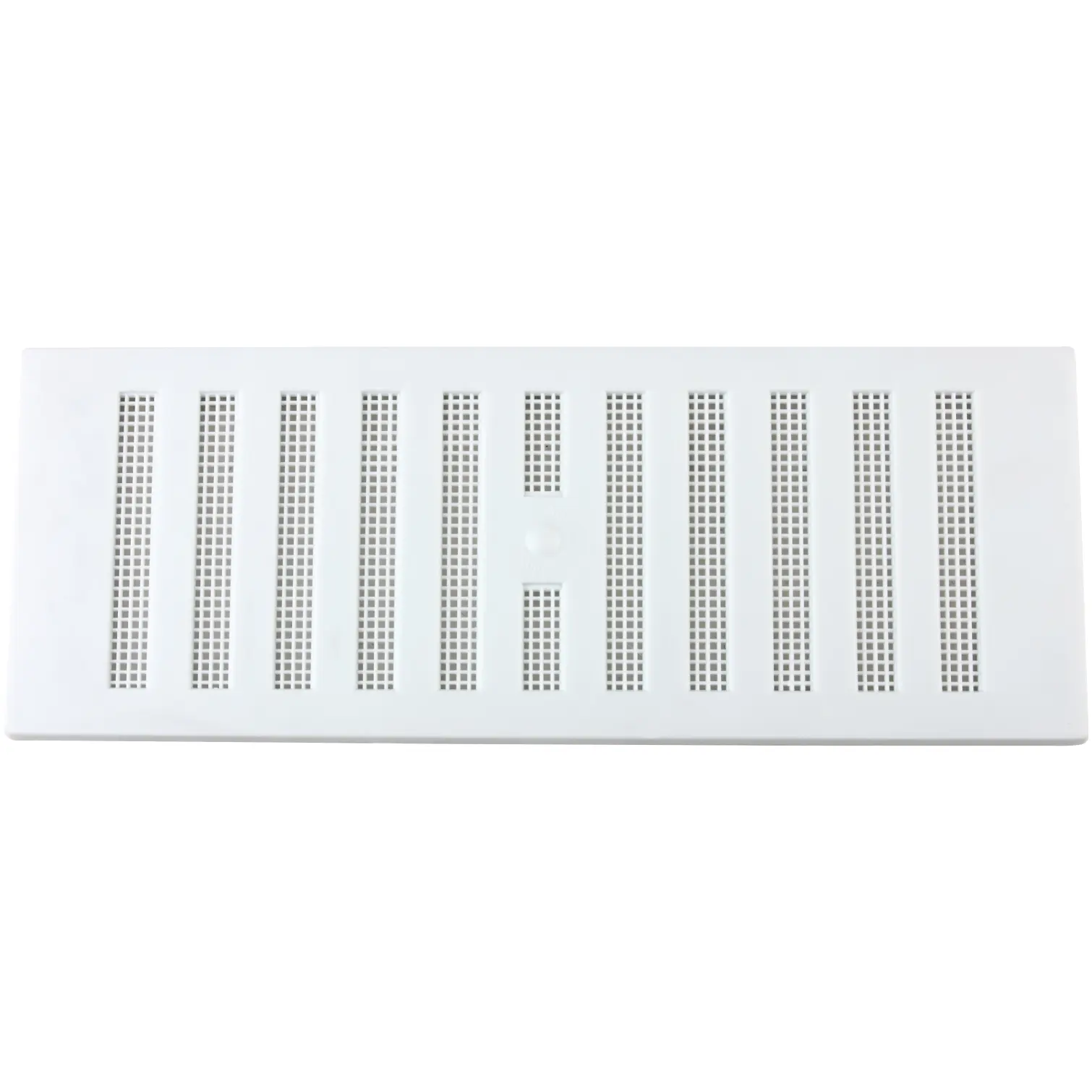
Vacuum the dust from extractor fan grilles and check the fan actually pulls a sheet of toilet paper against it. Clear leaves and cobwebs from outside air bricks, and never block them to stop a draught. A broken or missing internal vent cover is easy to swap for a Map adjustable hit and miss vent, which you can open or close as the weather changes. More on this in our damp and moisture checklist.
Safety and Winter Prep Jobs
These last three take very little time, but they’re the ones you’ll be most glad you did if something goes wrong this winter.
23. Test Your Smoke and Carbon Monoxide Alarms
Smoke and CO Alarm Rules in Scotland
Press the test button on every alarm in the house. It takes two minutes and it’s the most important job on this list.
In Scotland, since February 2022 every home must have interlinked alarms: a smoke alarm in the living room, one in every hallway and landing, and a heat alarm in the kitchen. If you have a carbon-fuelled appliance such as a gas boiler, fire or stove, you also need a carbon monoxide alarm. October is when boilers and stoves start working hard again, so this matters now.
The Hispec compact interlinked smoke alarm links to other compatible alarms so they all sound together. The FireAngel 10 year CO alarm has a sensor that lasts a decade without any battery changes. If you have older battery alarms, keep a few 9V batteries in the drawer.

24. Build a Power Cut Kit
What to Keep in a Power Cut Kit
Winter storms knock the power out across Ayrshire most years. When it happens, you don’t want to be hunting through drawers in the dark.
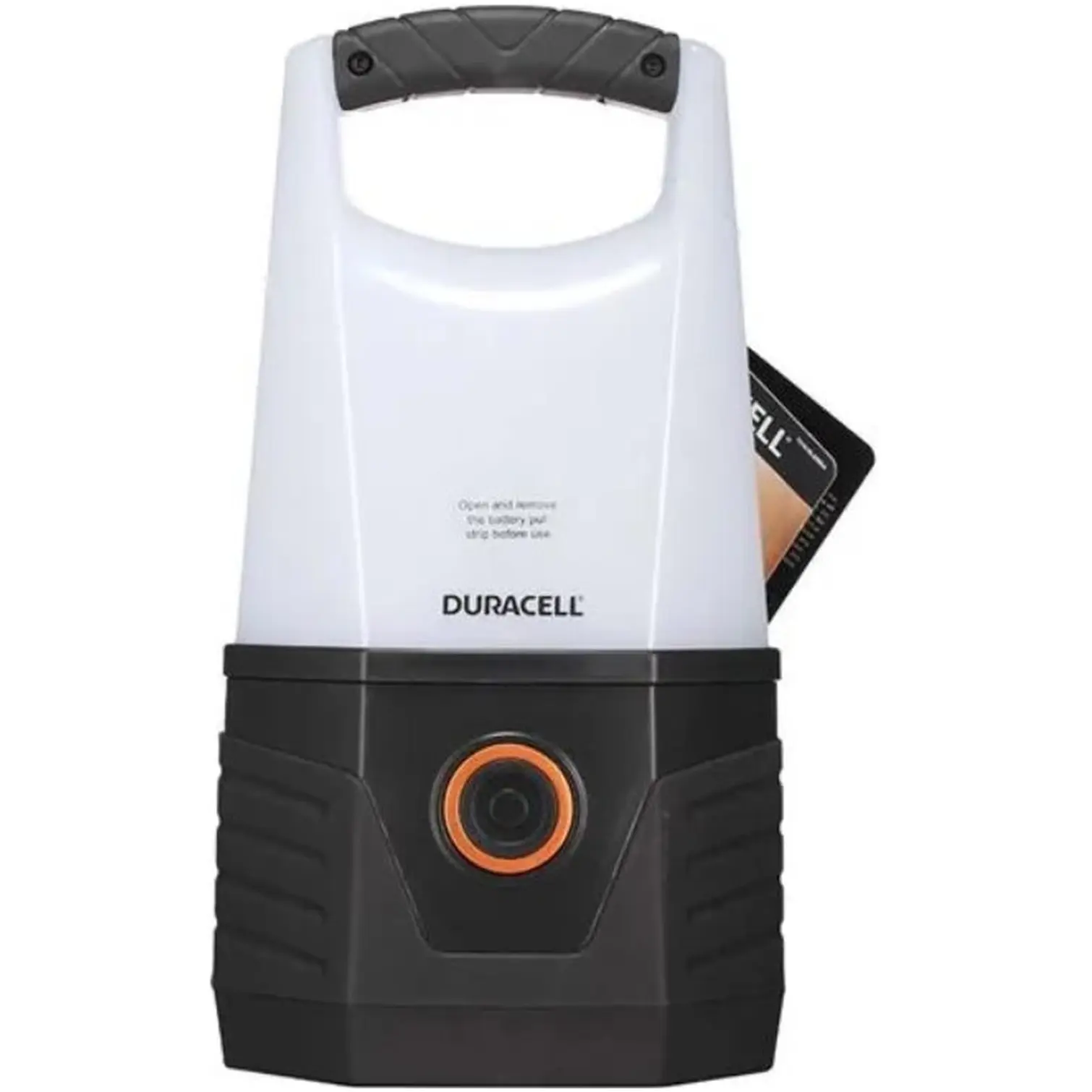
Keep one box somewhere easy to find with a Duracell 500 lumen lantern to light a whole room, a Dekton rechargeable head torch so your hands are free, a box of 24 AA batteries, and some household candles with matches. The Active Sensor LED torch light is a clever extra: it sits on a mains charging base, its area light comes on automatically if the power goes off, and it lifts off to use as a torch.
25. Restock Your Winter DIY Toolkit
Essential Hand Tools Every Home Should Have
Every job on this list is easier when you’re not borrowing tools from next door. Give your toolbox a sort-out and fill the gaps before the bad weather sets in.
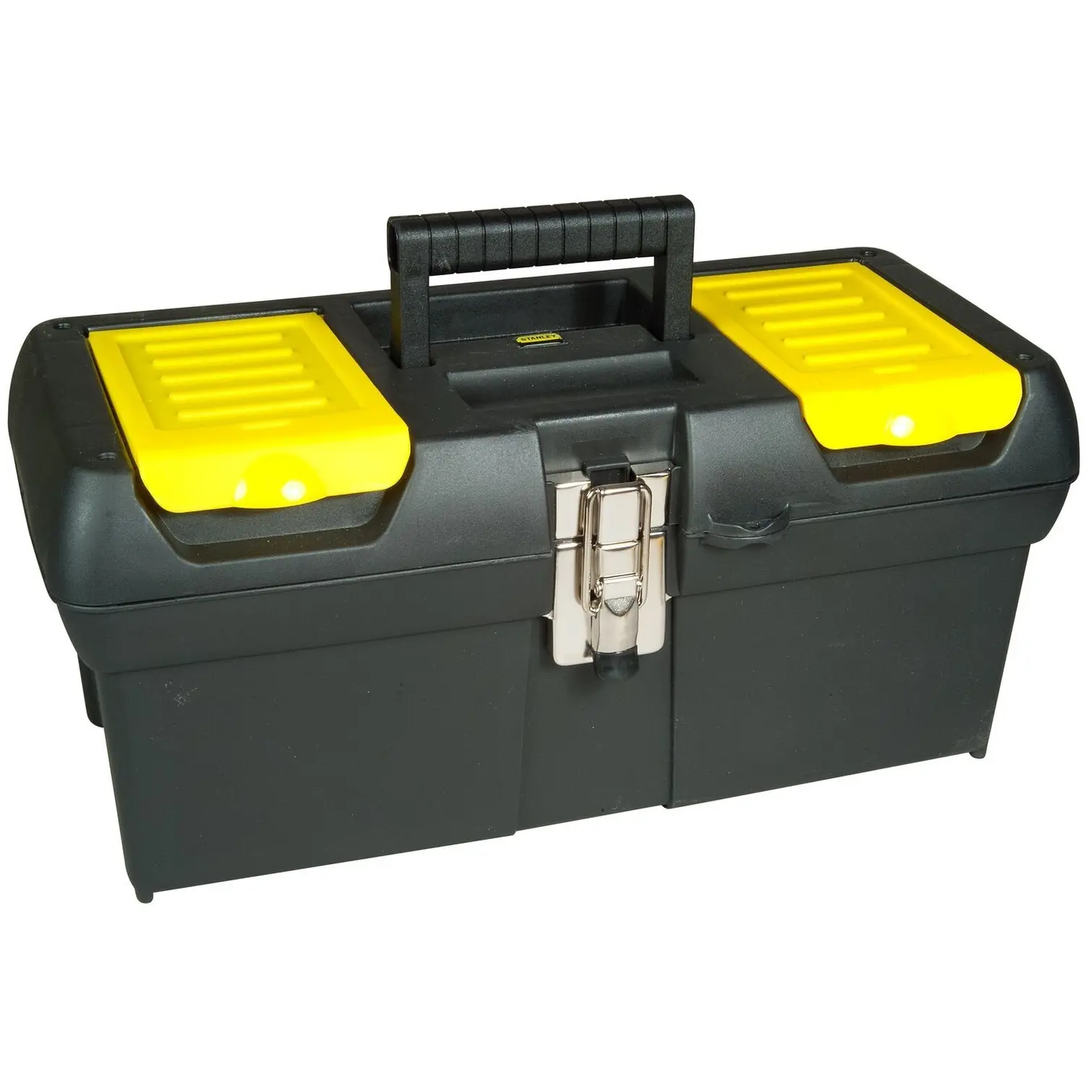
A Stanley 406mm tool box holds the basics: a Stanley 16oz claw hammer, a BlueSpot 9 piece screwdriver set, a 7.5m tape measure, a adjustable wrench and a can of lithium spray. Add a Fortress 3 tread step ladder for changing bulbs and reaching the top cupboards safely.
Your October Home Checklist at a Glance
Print this off or screenshot it. Here are the main jobs, how long they take and the one product that does most of the work.
| Job | Time | Difficulty | Key product |
|---|---|---|---|
| Clear gutters and downpipes | 1 to 2 hours | Medium | Hedgehog Gutter Brush 100mm Diameter 4 meters Long |
| Reseal window and door frames | 1 hour | Easy | Everbuild White 290ml Frame Sealant Acrylic |
| Repair exterior woodwork | Half a day | Medium | Ronseal High Performance Woodfiller Natural 275g |
| Treat shed and fence | Half a day | Easy | Cuprinol Ducksback Autumn Gold 5Ltr |
| Protect outside taps | 15 minutes | Easy | Exitex Outside Tap Cover |
| Bleed radiators | 30 minutes | Easy | Dekton Radiator Keys Pack of 2 |
| Draught-proof doors and windows | 1 to 2 hours | Easy | Exitex P Strip 5m White |
| Lag exposed pipes | 1 hour | Easy | Primaflow 15mm x 1 Metre Pipe Wrap |
| Reseal the bath | 1 hour plus drying | Medium | Everbuild Kitchen + Bath Sealant |
| Fill cracks in walls | 1 hour plus drying | Easy | Polyfilla Flexible Filler Tube |
| Put up shelves and hooks | 1 hour | Medium | Black+Decker Cordless Combi Drill Driver 18v |
| Test smoke and CO alarms | 10 minutes | Easy | FireAngel Carbon Monoxide Alarm 10 Year |
Your Autumn DIY Kit: What to Keep on the Shelf
You don’t need a workshop to tackle home repairs before winter. A small kit covers almost every job on this list.
Sealants, Fillers and Adhesives: Which One Do You Need?
These get mixed up all the time. Fillers like Polyfilla fill holes and dents that you’ll sand and paint. Caulk like Polycell Decorators Caulk 290ml fills gaps along skirting and trim indoors. Frame sealant like Everbuild White 290ml Frame Sealant Acrylic stays flexible outdoors. Bath sealants like Everbuild Kitchen + Bath Sealant resist mould in wet rooms. Grab adhesives like Unibond No More Nails Tube stick things together. Use the right one and the job lasts years, not months.
Choosing a Ladder for Autumn Jobs
A 5 tread step ladder covers ceilings, light fittings and most indoor jobs. For gutters and first-floor windows you need an extension ladder like the Werner trade extension ladder. Never stand on the top step of a stepladder, and never use a stepladder to reach a gutter.
Is a Cordless Drill Worth It?
For a typical home, yes. Shelves, hooks, gate hinges, loose floorboards, curtain poles: a cordless drill turns a frustrating afternoon into a ten-minute job. The Black+Decker 18v combi drill has a hammer setting for brick walls. If you only ever drive screws into wood, the lighter Black+Decker 10.8v drill driver is a cheaper option.
Paint, Brushes and Rollers
Buy a decent brush and look after it, and it’ll last for years. A 5 piece brush set covers most cutting-in and woodwork, and a roller and tray kit makes walls quick. For exterior wood, use a dedicated weatherproof paint like Ronseal 10Y Weatherproof Wood Paint White Satin 750ml, not leftover interior gloss.
Torches and Batteries
A good head torch is the most underrated DIY tool you can own. It leaves both hands free in lofts, under sinks and in cupboards, and it doubles up for power cuts. Keep spare AA batteries with it.
Common Autumn DIY Mistakes to Avoid
- Sealing over old sealant. New sealant won’t stick properly to old, mouldy sealant. Cut it all out first.
- Painting damp wood. Paint on wet timber blisters and peels. Wait for a dry spell and paint from late morning.
- Blocking vents to stop draughts. Air bricks and trickle vents are there to stop condensation and damp. Draught-proof doors and windows, not vents.
- Drilling blind. Check for pipes and cables before drilling into walls or screwing down floorboards.
- Leaving it until the first frost. By then, exterior paint won’t cure and outside taps may already be frozen.
Our Recommendation
- Do first: gutters, frame sealing and outside taps. They stop water damage, which is the most expensive winter problem.
- Do this month: draught-proofing, pipe lagging and bleeding radiators. They cost very little and you’ll feel the difference straight away.
- Do before December: bath resealing, filling cracks and painting, so the house is ready for visitors.
- Do today: test your smoke and CO alarms. It takes two minutes.
Frequently Asked Questions
What DIY jobs should I do before winter?
Start with the jobs that stop water and cold getting in: clear gutters and downpipes, reseal window and door frames, repair exterior woodwork, draught-proof doors and windows, lag exposed pipes and protect outside taps. Then test smoke and carbon monoxide alarms and put together a power cut kit.
When should I clear my gutters in the UK?
Late October to November, once most of the leaves have fallen, is the best time. If you have large trees nearby, give them a second check in early spring. Fitting a gutter brush or downpipe filters after cleaning reduces how often you need to do it.
Is October too late to paint outside?
Not if you pick your days. Most exterior paints and wood treatments need dry surfaces and a minimum temperature, which is printed on the tin. Paint in the middle of the day after any dew has dried, and avoid days when rain is forecast within a few hours.
What is the difference between silicone, caulk and frame sealant?
Decorators caulk is for filling gaps indoors that you plan to paint, such as along skirting boards. Frame sealant is a flexible, paintable sealant for the outside of window and door frames. Bath and kitchen sealants include anti-fungal additives and are for wet areas like baths, showers and sinks.
How do I stop my pipes freezing in winter?
Insulate any pipes in unheated spaces such as the loft, garage or under the floor with foam pipe lagging, turn off and drain outside taps and fit an insulated tap cover. Know where your stopcock is so you can turn the water off quickly if a pipe does burst.
Do I need interlinked smoke alarms in Scotland?
Yes. Since February 2022 every home in Scotland must have a smoke alarm in the living room, a smoke alarm in every hallway and landing, and a heat alarm in the kitchen, all interlinked. Homes with a carbon-fuelled appliance like a gas boiler or stove also need a carbon monoxide alarm.
Related Reading
- How to Fill, Fix & Seal Your Home Before Winter
- DIY Decorating Guide: Everything You Need to Paint a Room Properly
- How to Keep Your Home Warm This Autumn: 10 Easy Energy-Saving Jobs
- Damp and Moisture Control: Your Autumn Home Checklist
- Autumn Garden Tidy: Get Your Garden Ready for Winter
- Best DIY Power Tools for Home Projects in 2026 UK
- Best Way to Remove Moss & Algae from Patios & Driveways
Shop Autumn DIY Essentials
Browse more: Silicone & Sealant, Decorating Fillers, Glues & Adhesives, Draught Excluders, Cordless Drills, Step Ladders, Extension Ladders, Torches & Lanterns, Smoke & CO Alarms, Wood Preservatives. Order online for home delivery or Click & Collect from your nearest Home Hardware store.