How to Attract Wildlife to Your Garden in 2026 (UK Guide)
If your garden has felt quieter than it used to — fewer bees on the borders, less birdsong at breakfast, no rustling in the leaves after dark — you’re noticing something real. UK wildlife populations have been under serious pressure for decades, and domestic gardens have become increasingly important refuges for birds, pollinators, hedgehogs, and beneficial insects. The encouraging news is that attracting wildlife doesn’t require a complete redesign. Small, affordable changes to what you feed, plant, water, and light your garden with can transform it into a thriving wildlife corridor within a single season.
This guide covers everything you need to know, from bird feeders and wildflower patches to hedgehog highways and wildlife-friendly lighting, with practical product suggestions throughout.
Feed the Birds: Choosing the Right Feeder and Food
Food is the fastest way to attract birds to your garden, and once birds discover a reliable food source they return daily, bringing others with them. The key is offering the right types of food in feeders that suit the species you want to attract — not just hanging a single net of peanuts and hoping for the best.
What Type of Bird Feeder Do You Need?
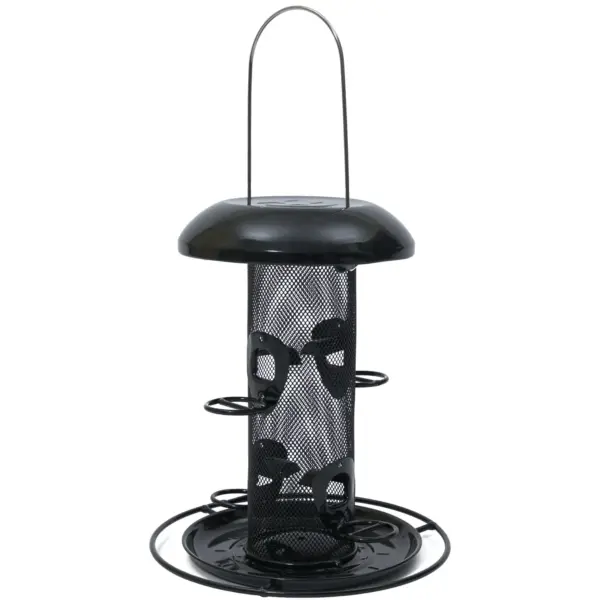
Different feeder designs attract different species. A tube seed feeder with small circular ports suits tits, finches, and sparrows who cling to the side to feed. A peanut feeder with mesh sides works well for great tits, nuthatches, and even great spotted woodpeckers. A suet cage or fat ball holder brings in robins, starlings, and wrens. Ground feeding trays attract blackbirds and song thrushes, who prefer to feed at or near ground level.
Position feeders at least 2 metres from dense cover where cats could stage an ambush, but within 3–4 metres of shrubs or a hedge that birds can retreat to quickly if startled. If squirrels are raiding your feeders, a caged squirrel-proof design like the Henry Bell 3-in-1 Squirrel Proof Feeder lets smaller birds feed freely while physically excluding larger animals.
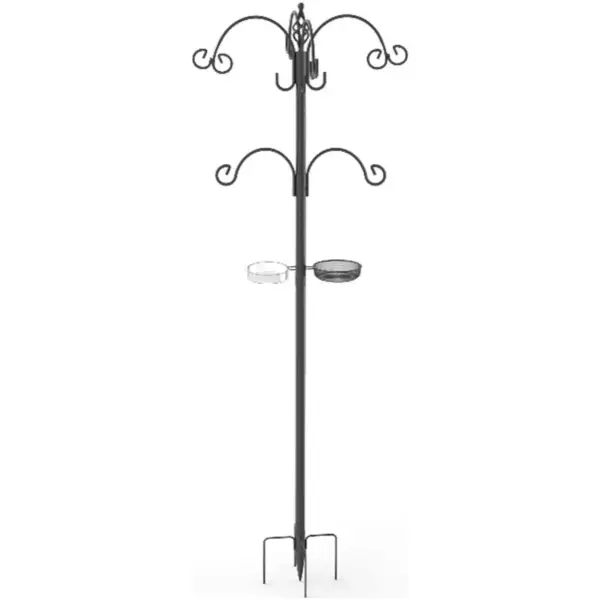
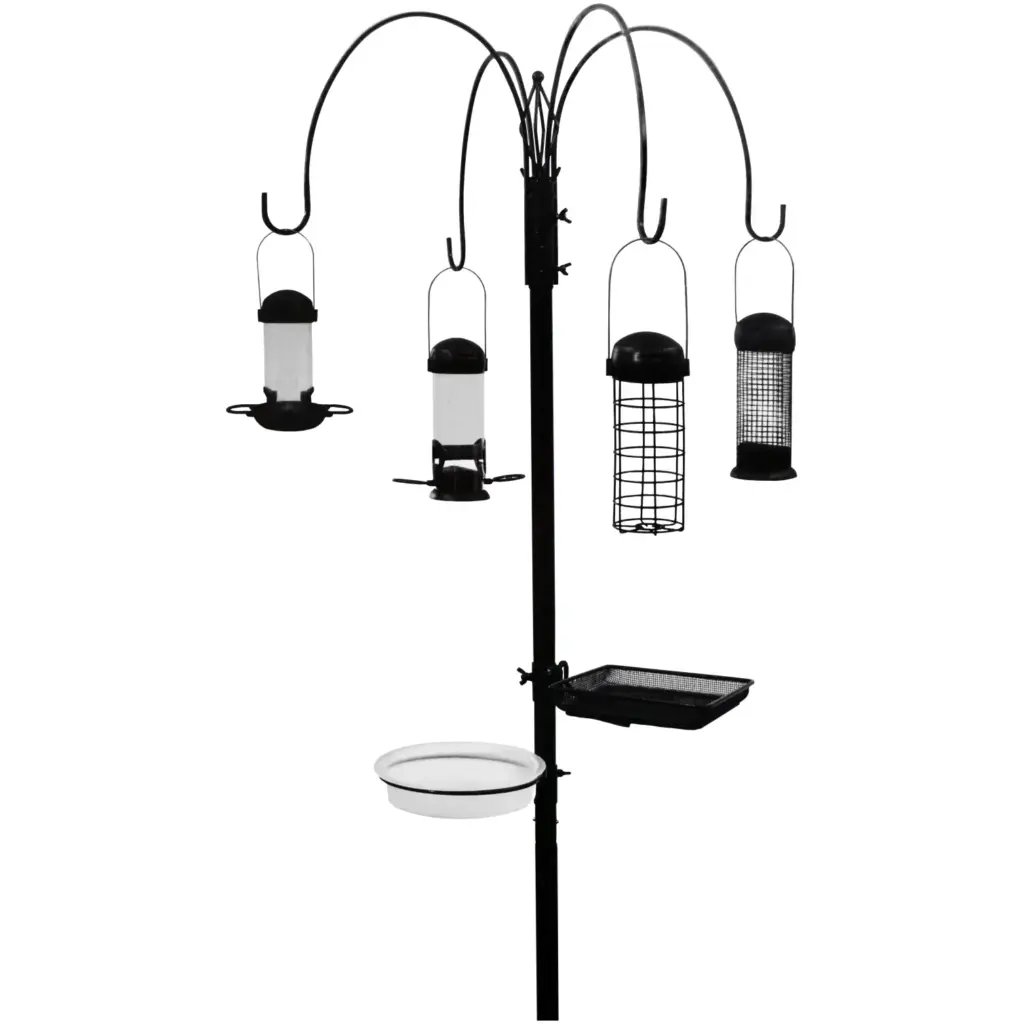
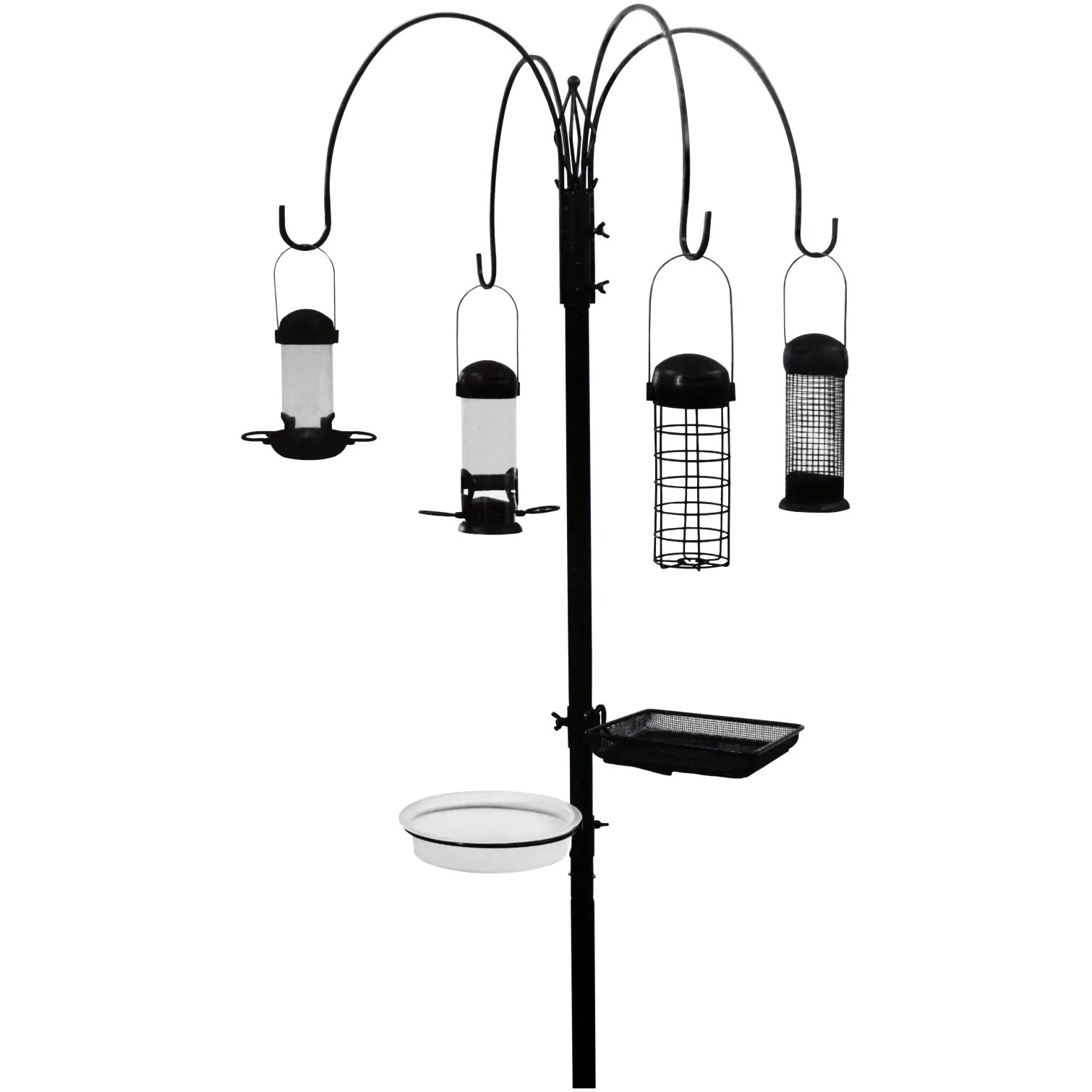
A bird feeding station lets you hang multiple feeder types from a single post, catering for a wider range of species without cluttering the garden with separate poles. Most stations also include a tray or ground attachment for species that won’t use hanging feeders.
The Best Bird Food for Year-Round UK Feeding
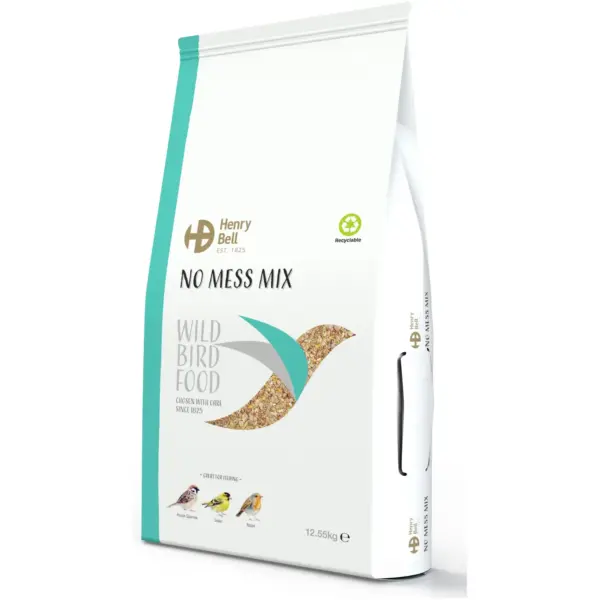
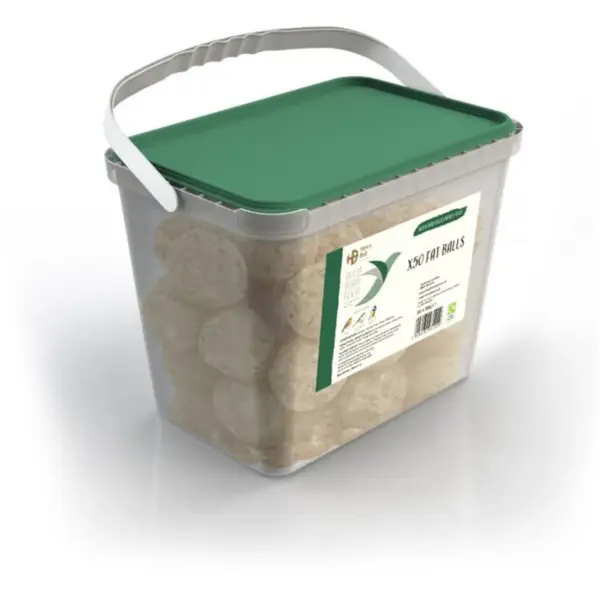
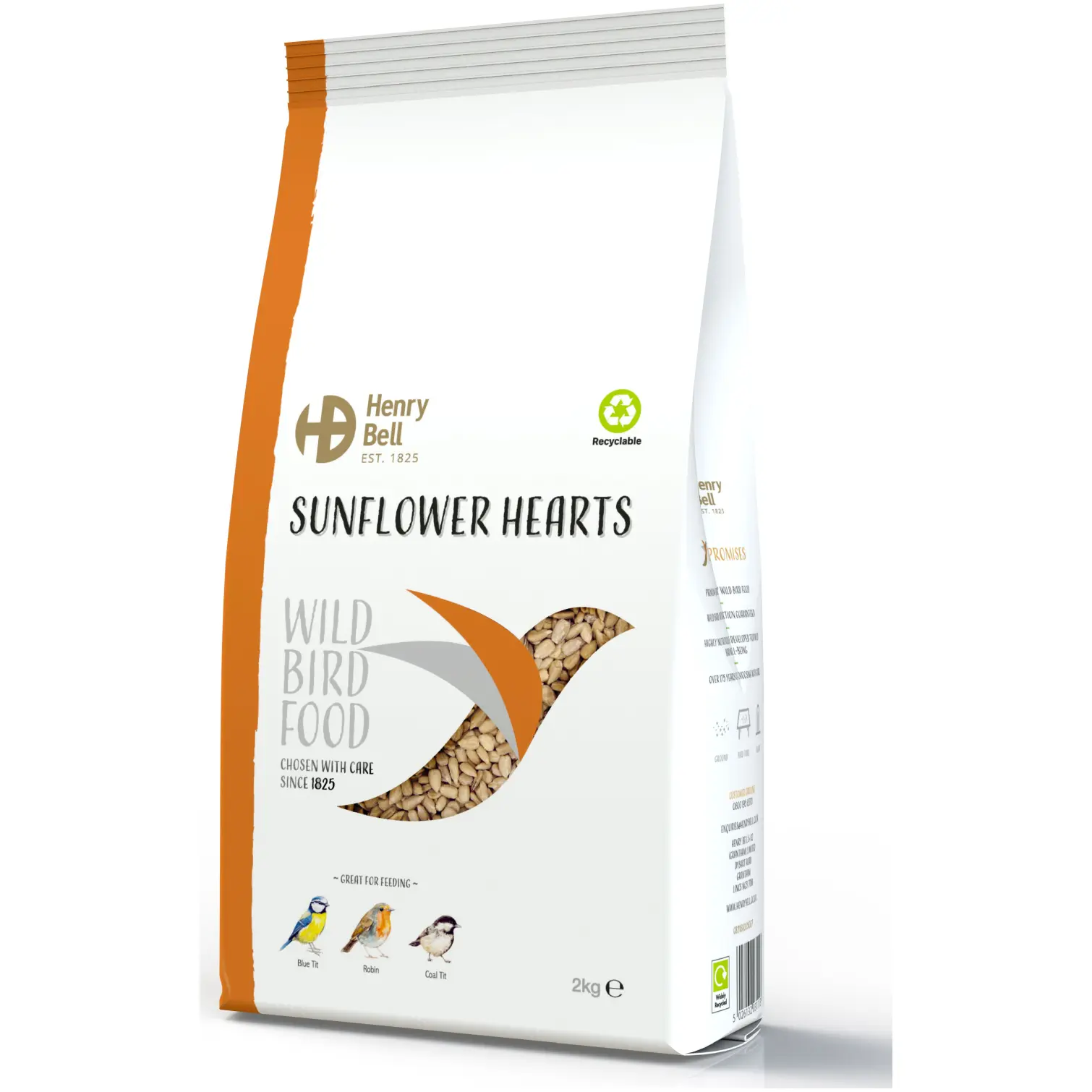
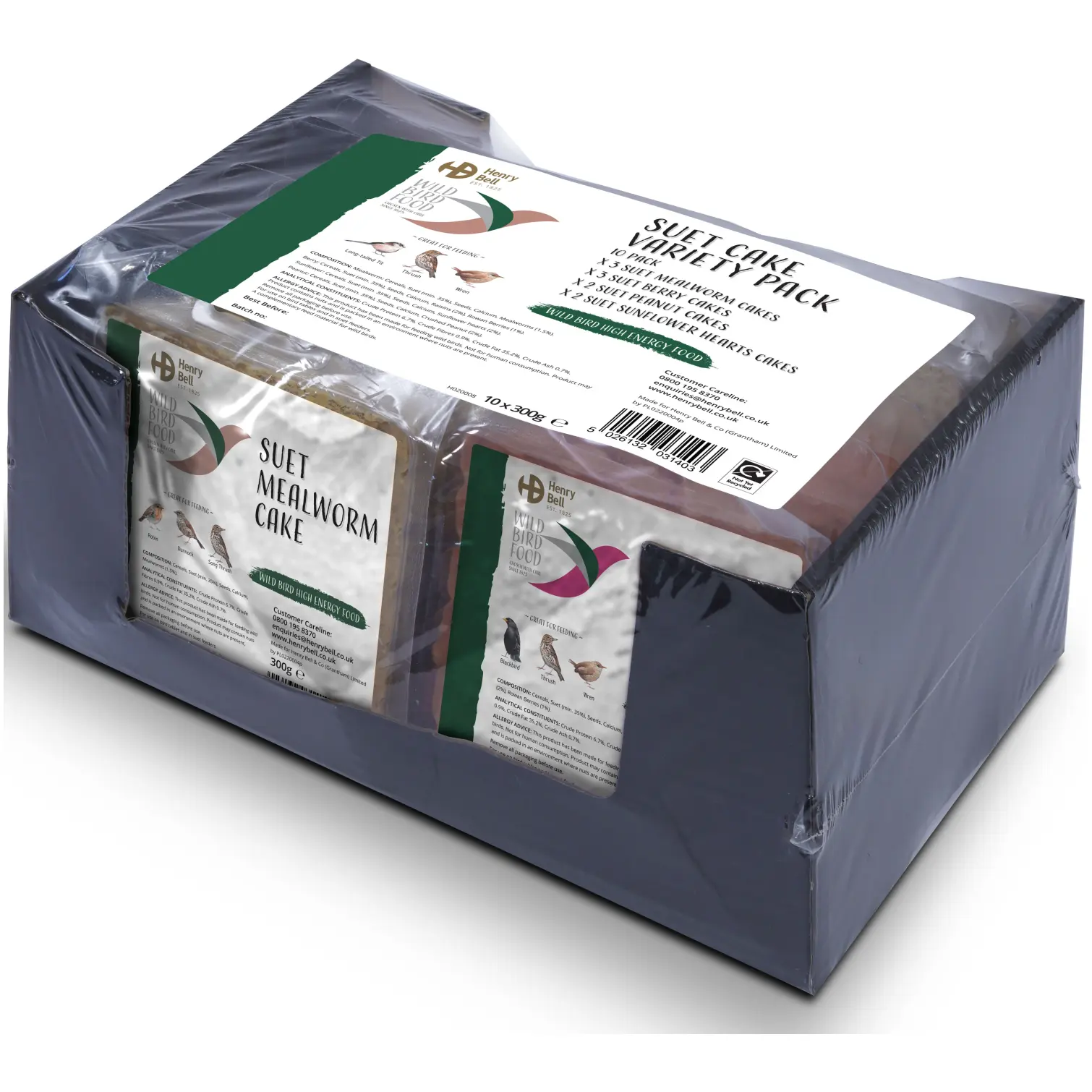
Sunflower hearts are the single best all-round bird food — shelled, high-energy, and eaten by almost every garden bird species with minimal waste. Robin blend mixes suit ground feeders and attract robins, dunnocks, and song thrushes. Suet cakes and suet balls are high-calorie foods especially valuable in winter and during the breeding season when adults need to provision chicks.
Avoid bread — it fills birds up with almost no nutritional value. Clean feeders weekly with hot water to prevent build-up of mould and disease. Replace any food that looks damp or clumped.
Quick tip: Feeding year-round is now recommended by most wildlife organisations. Summer feeding helps parent birds provision chicks faster, which increases breeding success.
Add Water: Bird Baths, Ponds, and Water Features
Water is more important to garden wildlife than most people realise — and it’s the element most UK gardens lack. Birds need to drink and bathe year-round to maintain feather condition. Hedgehogs dehydrate easily in dry summers. Even a shallow container of fresh water at ground level can make a measurable difference to what visits your garden.
Simple Bird Baths and Ground Dishes
A bird bath doesn’t need to be expensive or elaborate. Any shallow dish — a plant saucer, an upturned bin lid, or a purpose-built stone or ceramic bath — placed a foot or two above ground works well. The key features are: shallow enough for small birds to stand in (no more than 5cm depth at the deepest point), a rough surface so birds can grip without slipping, and a position with some nearby cover for quick escape if needed.
Change the water every 2–3 days to prevent algae and mosquito larvae. In winter, replace the water twice daily if temperatures are near freezing, or float a small ball on the surface to keep a patch of water open. Never add antifreeze or glycerine — both are toxic to birds.
For hedgehogs, place a shallow dish of water at ground level in a quiet corner. This is especially important from May through September when natural water sources dry up.
Solar Water Features as a Pond Alternative
A full garden pond is the single most impactful wildlife addition you can make — a mature pond supports frogs, toads, newts, dragonflies, pond skaters, and provides drinking water for dozens of species. But if a dug pond isn’t practical, a solar-powered water feature provides the movement and sound that birds find irresistible, while taking up minimal space and requiring no hard wiring.
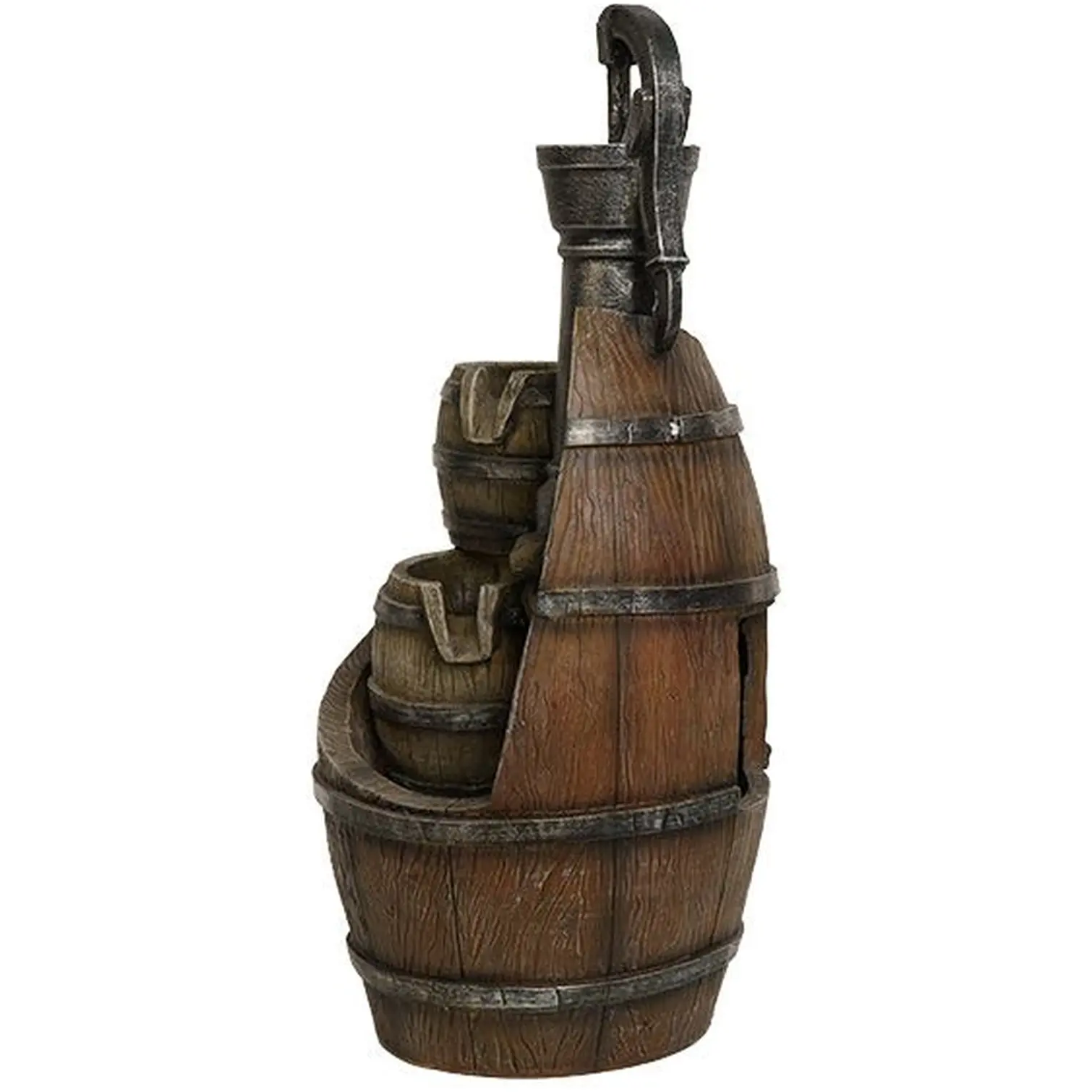
Self-contained solar water features like the whiskey barrel style are particularly effective because the shallow reservoir creates the perfect bathing and drinking environment for birds, and the gentle sound of moving water acts as an auditory signal that draws birds in from the wider area. Top up the reservoir regularly in dry spells and position it where the solar panel gets direct sunlight for at least part of the day.
Plant for Pollinators: Bees, Butterflies, and Hoverflies
UK bee populations have declined significantly over the past 50 years, with over a third of wild bee species declining in range since the 1980s. Butterflies tell a similar story. Gardens collectively cover more land area than all UK nature reserves combined, which means that planting decisions made in domestic gardens genuinely matter at a population level.
Top Pollinator Plants for UK Gardens
The most valuable plants for bees are those with open, accessible flower structures — highly bred double flowers look attractive but often have little or no nectar, and pollen is inaccessible to insects. In UK gardens, lavender is the most reliable bumblebee and honeybee magnet from June through August. Borage self-seeds generously and flowers all summer. Alliums, foxgloves, echinacea, and verbena bonariensis all offer nectar-rich flowers across the season, and most are perennials that return year after year with minimal effort.
For butterflies, buddleia remains the top choice — red admirals, peacocks, small tortoiseshells, and commas all flock to it from July onwards. Verbena bonariensis, sedum, and michaelmas daisies extend the butterfly season well into September and October. Planting a succession of these species means there’s always something in flower for pollinators from April through October.
Wildflower Patches: Big Impact, Low Effort
You don’t need to convert the entire garden. A wildflower patch as small as 1m² sown with a UK native wildflower seed mix can attract bees, hoverflies, and butterflies all summer and provide seed for finches in autumn. The key preparation step that most people skip: wildflowers prefer nutrient-poor soil, so scrape back the top layer of turf and the first few centimetres of topsoil, scatter the seed thinly, tamp down, and water. Don’t add compost — richer soil encourages grasses to outcompete the wildflowers.
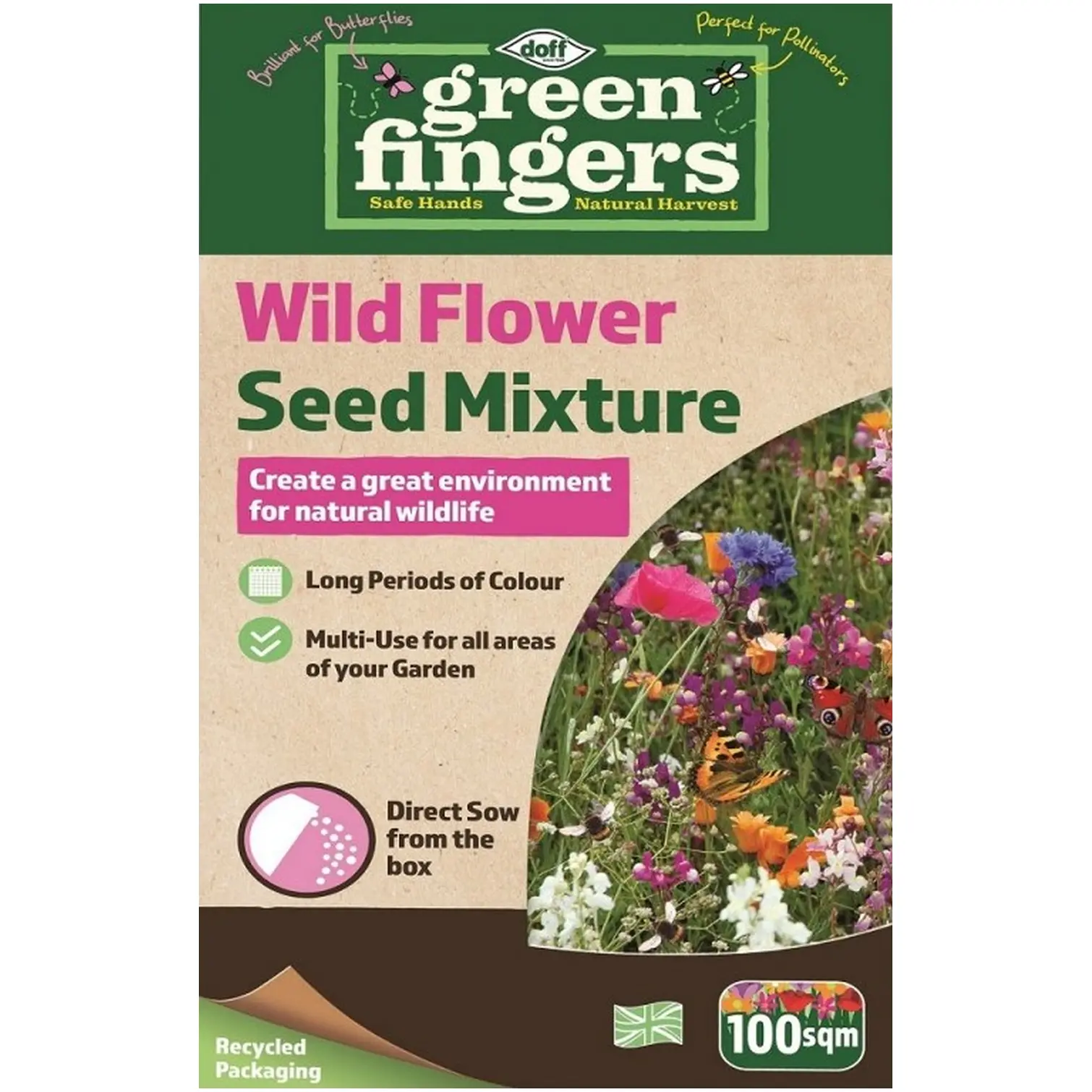
Let the patch grow through its full cycle — resist the urge to cut it until late September or October, then cut and remove all the cuttings (leaving them rots back nutrients you don’t want). The bare soil after cutting is exactly what wildflowers need to self-seed for next year.
Container Planting for Smaller Spaces and Patios
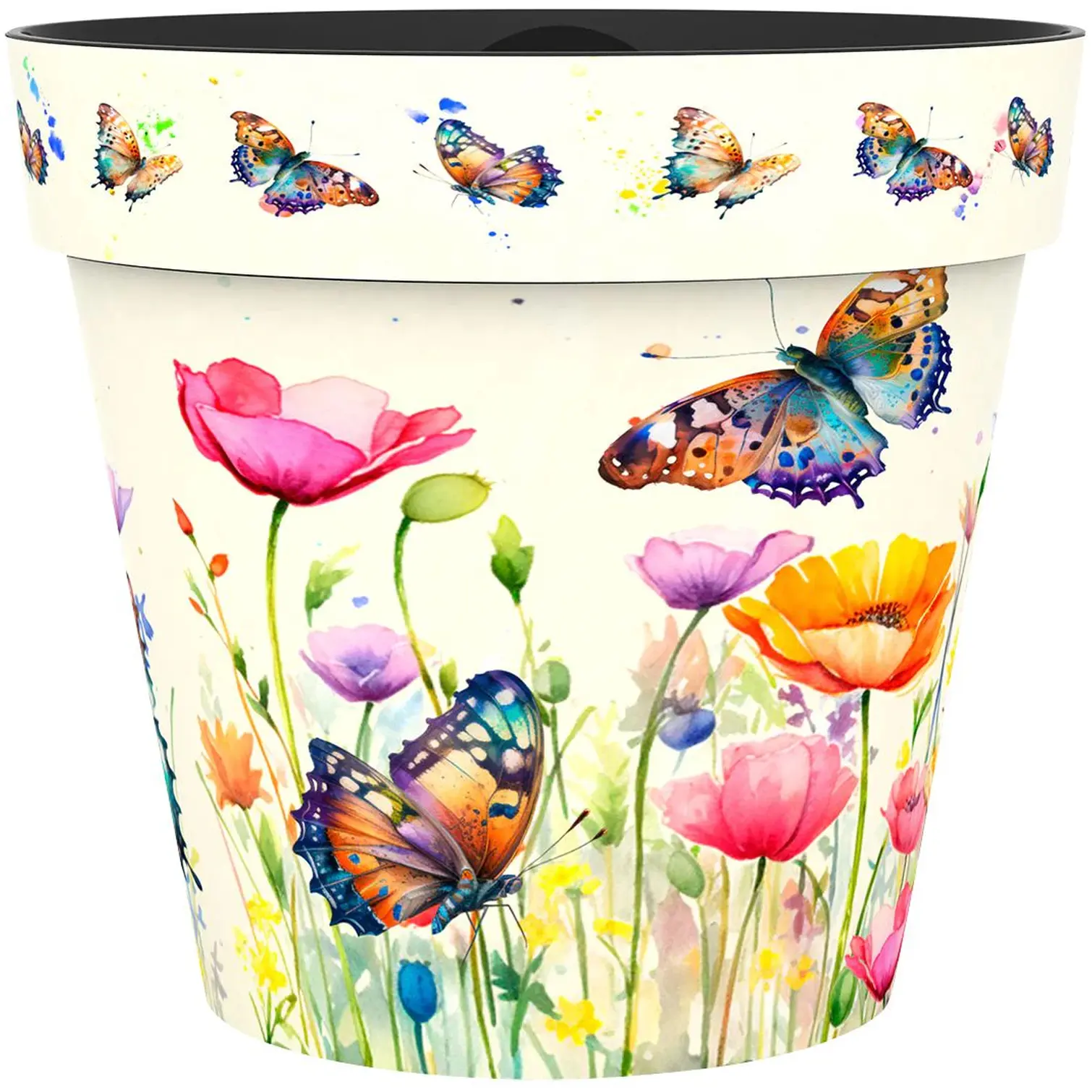
Even a single patio planter densely planted with pollinator-friendly annuals and perennials can be impactful. Lavender, thyme, marjoram, single-flowered marigolds, and a pot of phacelia (one of the best bee plants available) will attract bees through the summer months. A butterfly-themed planter makes a charming way to signal your wildlife garden intentions while being genuinely functional as a habitat. Use a good quality peat-free compost and feed sparingly — too much fertiliser produces lush foliage at the expense of flowers.
How to Make Your Garden Hedgehog-Friendly
The UK hedgehog population has declined by around a third since the year 2000, with urban hedgehog numbers falling faster than rural ones. Gardens are now a critical part of their habitat — but fenced, walled, and overly tidy gardens are among the biggest obstacles they face.
Create a Hedgehog Highway
The single most impactful thing you can do is cut or drill a 13cm × 13cm gap at the base of your fence or wall. Hedgehogs travel up to 2km every night to feed, mate, and find shelter — solid garden boundaries force them onto roads where they’re killed by traffic. Talk to your neighbours: if two or three gardens in a row open up access points, you exponentially increase the territory available. Mark your gap with a small ‘Hedgehog Highway’ sign so it isn’t accidentally blocked during fence repairs.
Leave Some Wild Corners
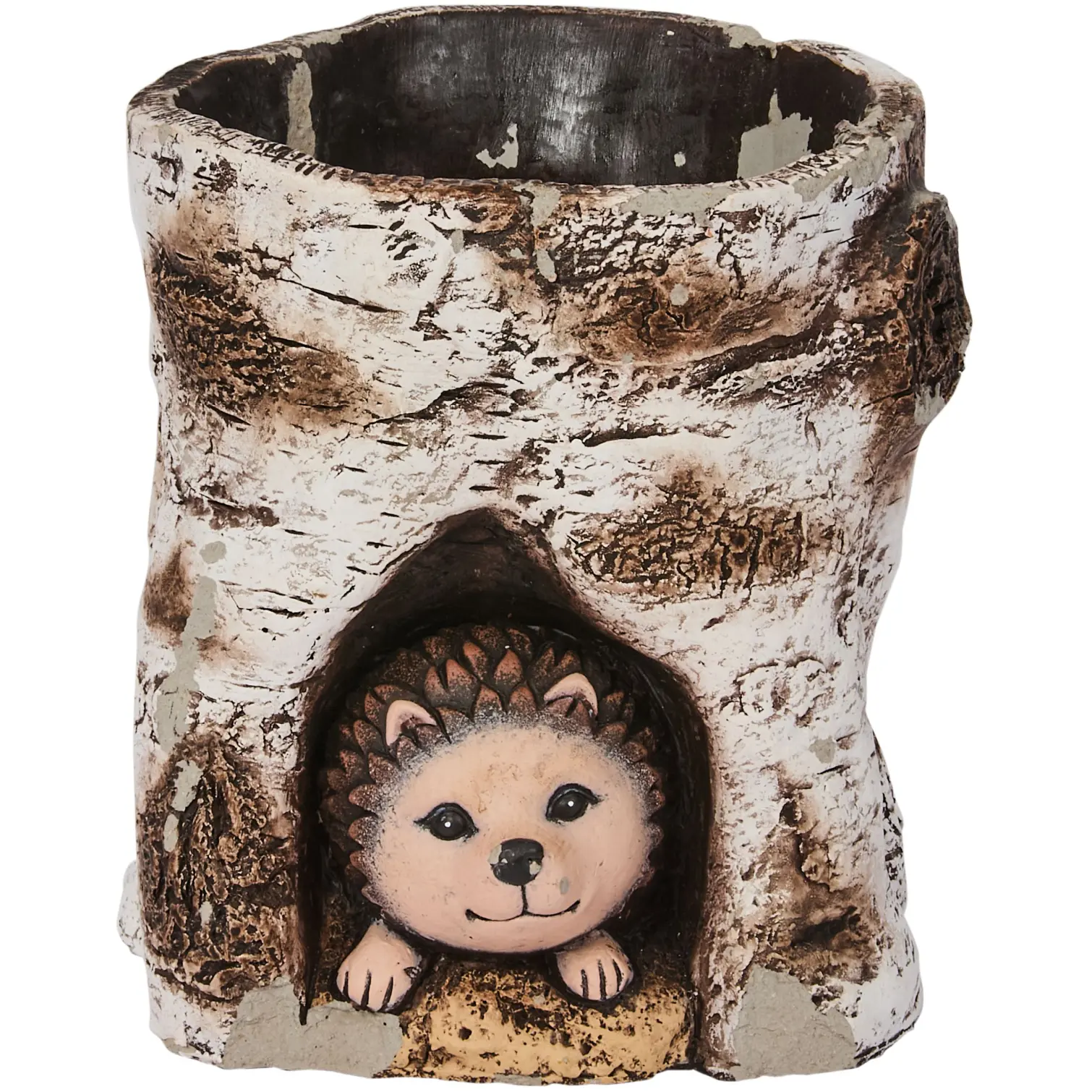
Hedgehogs need undisturbed areas to shelter and nest during the day, and to hibernate from November through March. A pile of dry leaves in a quiet corner, a stack of logs against a fence, or a purpose-made log planter habitat placed away from foot traffic all serve as both daytime refuges and potential hibernation sites. The critical rule: always check long grass and leaf piles before strimming or fork over. Hedgehogs can be seriously injured by strimmers and are difficult to spot when curled up in leaf litter.
A hog log planter placed in a quiet corner of the garden doubles as a stylish container planting and a useful shelter feature — plant it with trailing herbs or low-growing wildflowers to make it an attractive garden feature as well as a wildlife habitat.
Feeding Hedgehogs Safely
If hedgehogs are visiting, offer a shallow dish of fresh water and a small amount of meat-based wet cat or dog food (not fish-flavoured). Specialist hedgehog food is also available. Never offer bread, milk, or raisins — bread has no nutritional value, milk causes digestive problems, and raisins are toxic to many animals. Remove uneaten food each morning to avoid attracting rats.
How to tell if hedgehogs are visiting: Look for small dark droppings (about the size of a grape, glossy and dark) on lawns and paths. A wildlife camera placed near your hedge gap overnight will confirm sightings within a few nights.
Garden Lighting That Won’t Disturb Wildlife
It might seem counterintuitive to include lighting advice in a wildlife garden guide, but light pollution is a genuinely significant issue for nocturnal wildlife. Getting lighting right — rather than simply avoiding it — means you can enjoy your garden in the evenings without harming the animals you’re trying to attract.
Why Bright Garden Lights Are a Problem
Many of the most important UK garden wildlife species are nocturnal or crepuscular. Hedgehogs, bats, moths, glow-worms, and many ground beetles are all significantly disrupted by bright artificial light. Strong LED spotlights and sensor-activated security lights deter hedgehogs from foraging areas they would otherwise use, confuse moths (which navigate by the moon and are drawn fatally to light sources), and interrupt the natural activity patterns of bat populations. Even insects active during the day can be affected: research suggests insects cluster around artificial lights at night and are depleted from the areas where pollinators are needed during daylight hours.
Solar Lighting as the Wildlife-Friendly Choice
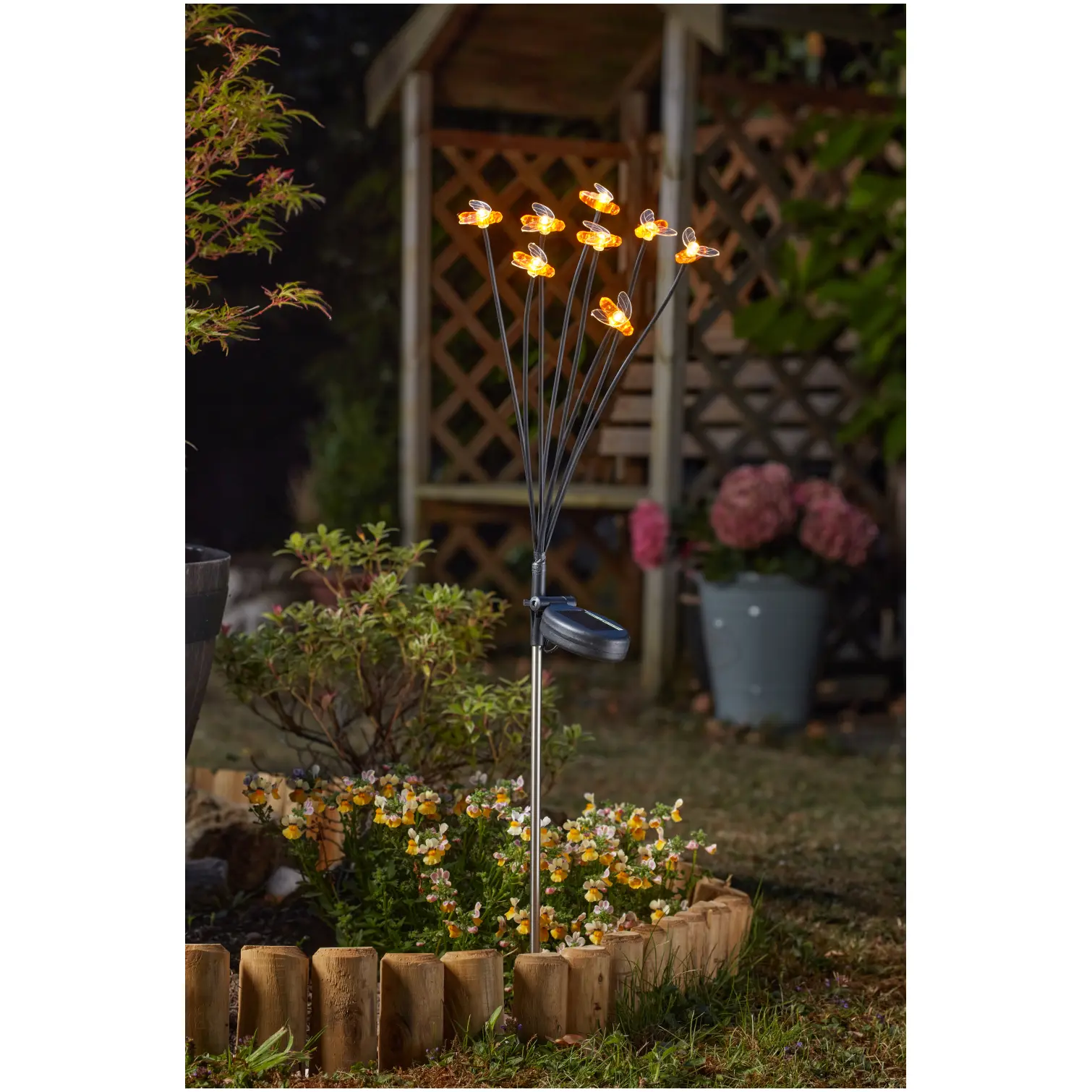
Warm white solar lights at low level strike the right balance: enough light to navigate the garden safely in the evening, without the intensity that disrupts nocturnal animals. Solar stakes and stem lights don’t require mains wiring that disturbs soil life during installation, and they turn themselves off or dim through the night. Choose warm white (2700–3000K colour temperature) over cool white or daylight-balanced LEDs, which have a stronger disruptive effect on insects and nocturnal animals.
Low-level solar lights like bee-themed stem lights, mushroom stake sets, and the charming Hedgerow Heroes solar animal lights sit at ground level where their warm glow is less likely to disturb bats and moths while still providing pleasant evening lighting in borders and along pathways. Avoid pointing any light directly upward if you can help it.
Reduce Pesticides: One of the Most Effective Changes You Can Make
Pesticides are one of the most direct and well-documented threats to garden wildlife. The relationship isn’t always obvious — you might not see an immediate connection between slug pellets and a decline in song thrushes — but the pathways are well established. If attracting wildlife is a genuine goal, reducing chemical inputs is one of the highest-impact changes available.
The Wildlife Cost of Common Garden Chemicals
Slug pellets, even the newer ferric phosphate formulas marketed as safer, can harm hedgehogs and birds when consumed in sufficient quantities through poisoned slugs and snails. Systemic insecticides affect bees’ navigation and reproductive success even in sub-lethal doses. Broad-spectrum herbicides don’t just kill weeds — they eliminate the food plants that caterpillars, hoverflies, and other insects depend on. The dandelion in your lawn that you might be tempted to kill is one of the most important early-season pollen sources for queens emerging from hibernation in March.
Practical Alternatives That Actually Work
- Slugs and snails: Copper tape around pots, wool pellet barriers, and encouraging natural predators (hedgehogs eat hundreds of slugs per night) are all effective. Beer traps catch large numbers without chemicals.
- Aphids: A jet of water from a hose knocks most aphids off plants. Encouraging blue tits and sparrows with a well-stocked feeder means they’ll patrol your plants for aphids during nesting season.
- Companion planting: French marigolds planted alongside vegetables deter aphids and whitefly. Nasturtiums act as sacrifice plants that draw blackfly away from beans and courgettes.
- Patience: Many pest ‘problems’ self-resolve within two to three weeks as predator populations build in response. Aphid colonies attract lacewings, ladybirds, and hoverfly larvae that then persist in the garden as a natural control.
Seasonal Wildlife Garden Tips for the UK
Spring (March – May)
Put feeders out or restock them — winter is tough and food reserves are low. This is the critical nesting period, so keep disturbance to a minimum near hedgerows and dense shrubs. Sow wildflower seeds in prepared patches from mid-April. Check for hedgehogs emerging from hibernation: they appear thin and will benefit from supplementary food. Plant pollinator-friendly perennials and divide established clumps to spread them around the garden.
Summer (June – August)
Top up bird baths and water features daily during dry spells — this is when they are most valuable. Let a patch of lawn grow long or go to seed: long grass provides hunting ground for hedgehogs and nesting material for bees. Deadhead regularly to extend the flowering period of pollinator plants. Leave a small pile of compost or rotting wood somewhere undisturbed — stag beetle larvae can spend up to five years in decaying timber.
Autumn (September – November)
Leave seedheads on plants rather than cutting back — they’re a vital food source for finches and tits through winter. Pile up fallen leaves in a quiet corner for hedgehog hibernation habitat. Plant spring-flowering bulbs (crocuses, snowdrops, and single-flowered narcissus) to provide early season pollen. Make sure hedgehog highway gaps aren’t blocked by leaf accumulation at the fence base.
Winter (December – February)
Winter is when garden feeding matters most. Natural food sources are exhausted, and the energy cost of surviving cold nights is highest. Keep feeders clean and fully stocked through the coldest months. Change bird bath water daily to keep it ice-free. Leave berries on holly, cotoneaster, and pyracantha shrubs for fieldfares, redwings, and blackbirds. Don’t tidy up too enthusiastically — hollow plant stems shelter overwintering insects and larvae.
Frequently Asked Questions
What is the easiest way to attract wildlife to a small garden?
Start with water and food — these two additions deliver the fastest results. A bird feeder stocked with sunflower hearts and a shallow dish of fresh water will bring birds within days. Add a pot of lavender or a window box planted with herbs and single-flowered annuals for pollinators. Even a garden with no soil at all — a balcony or paved yard — can attract wildlife with containers, feeders, and a water source.
When should I put out bird feeders in a UK garden?
Year-round. The old advice to feed only in winter has been updated by most wildlife organisations — birds benefit from supplementary food throughout the year. Summer feeding helps parent birds provision chicks more efficiently, which improves breeding success. The most critical period is January through March, when natural food is exhausted and the weather is at its harshest, but maintaining feeders from autumn through spring at minimum makes a significant difference.
What plants are best for bees in a UK garden?
Lavender is the most reliable single choice — plant as much as you can in a sunny spot. Beyond that, borage, alliums, echinacea, foxglove, phacelia, verbena bonariensis, and catmint are all excellent. The key principle is to choose open, single-flowered varieties over highly-bred doubles, which often lack accessible nectar and pollen. Native wildflowers like ox-eye daisy, knapweed, and red clover are among the most ecologically valuable of all.
How do I know if hedgehogs are visiting my garden at night?
The most reliable signs are small, dark, glossy droppings on lawns and paths (about the size of a large raisin), disturbed soil or leaf litter around borders, and snuffling sounds after dark. A basic wildlife trail camera — or even a smartphone motion-detection app — placed near a hedge gap overnight will confirm sightings within a few nights. Hedgehogs tend to follow the same routes repeatedly, so you can track activity over time once you know they are present.
Should I feed hedgehogs during winter?
No — hedgehogs in full hibernation (typically November through March) should not be disturbed or fed. However, young hedgehogs born late in the season may still be active into November and are often underweight for hibernation. If you see a hedgehog active during the day in late autumn, this is a sign of a hedgehog in trouble: contact a local rescue or the British Hedgehog Preservation Society. From October, leaving supplementary food out in the evening allows late-season hedgehogs to bulk up before hibernation without disturbing established hibernators.
Shop Wildlife Garden Essentials
Everything you need to start attracting birds, bees, butterflies, and hedgehogs to your garden — in stock with fast UK delivery.

Browse our full Garden & Outdoor range, including bird food & feeders, garden lighting, planters, and more — all with fast UK delivery.